Transforming Toronto yards into stunning, eco-friendly retreats isn’t just a design trend—it’s a vital step toward sustainable urban living. As cities grapple with climate challenges, how can homeowners balance beauty, resilience, and environmental responsibility? This evolving landscape focuses on native plants, water conservation techniques, and eco-friendly materials that support local biodiversity and reduce maintenance. From rain gardens to permeable pavements, innovative practices turn practical sustainability into visual appeal. Historically, Toronto’s landscape design shifted from ornamental imports to resilient, native-focused approaches championed by local experts like Mark Cullen. Future trends point toward integrating renewable energy, urban agriculture, and multifunctional outdoor spaces that serve ecological and social needs. Could this melding of technology, ecology, and aesthetics redefine our outdoor environments? As Toronto’s landscape design continues to evolve, the question remains: how can we create outdoor spaces that are as sustainable as they are beautiful, ensuring resilience in an uncertain climate?
Transform Your Toronto Outdoor Space with Expert Landscaping Solutions
Looking to elevate your outdoor living in Toronto? Toronto Landscape & Design (TLD) offers comprehensive services including natural stone installations, water gardens, irrigation systems, and retaining walls. Our award-winning designers take everything into consideration to create stunning, functional landscapes tailored to your needs. Whether you’re dreaming of a lush backyard oasis or a modern outdoor retreat, we specialize in transforming outdoor spaces into beautiful, durable environments. Discover the possibilities with a professional backyard makeover that enhances your property’s value and aesthetic appeal. Contact us today at 1.416.644.0499 or email [email protected] to discuss your project and get started on your dream landscape.

Transforming Toronto Yards into Eco-Friendly Retreats: A New Era of Sustainable Design
Transforming Toronto yards into beautiful, sustainable outdoor retreats is more than just a design trend—it reflects a deeper shift toward eco-conscious living and creating personal sanctuaries in urban spaces. As city life becomes busier and more crowded, homeowners are seeking outdoor areas that blend visual appeal with environmental responsibility. It’s about making intentional choices that support the local ecosystem, conserve resources, and enhance personal well-being, all without sacrificing style or comfort.
Over time, Toronto’s landscape design has evolved from traditional, ornamental gardens to more resilient, eco-friendly spaces. Early designs often relied on imported plants, high-maintenance features, and chemical treatments that strained local resources. Today, the focus is on native plants, water-conserving techniques, and durable materials that thrive in Toronto’s climate. This shift not only supports biodiversity but also reduces ongoing maintenance and helps manage stormwater more effectively, turning the yard into a sustainable haven.
Creating these outdoor retreats means understanding how to balance beauty with environmental responsibility. Native plants are naturally suited to local conditions, requiring less water, fertilizer, and pesticides. Incorporating rain gardens, permeable paving, and drought-tolerant species transforms practical environmental strategies into attractive focal points. This approach shows that eco-conscious design can be both functional and visually stunning, making sustainability an integral part of the landscape’s aesthetic appeal.
Design principles such as layering plantings, zoning for different uses, and selecting eco-friendly materials help craft inviting, resilient outdoor spaces. Hardscape elements like pathways and seating are placed thoughtfully to promote flow and usability while minimizing environmental impact. When these features work together, they form a landscape that supports long-term health, beauty, and adaptability—values that are increasingly important in Toronto’s changing urban landscape.
Implementing sustainable landscaping involves careful plant selection, water management, and material choices. Native plants require minimal intervention, while rainwater harvesting and smart irrigation reduce dependence on municipal supplies. Using recycled or locally sourced materials for paving and furniture further minimizes your ecological footprint. These strategies create outdoor spaces that are easy to care for, environmentally friendly, and perfectly suited to Toronto’s climate, ensuring your yard remains vibrant and sustainable for years to come.
From Ornamental to Resilient: The Evolution of Toronto’s Landscape Trends
Toronto’s landscape design has undergone a significant transformation over the past few decades, driven by a growing awareness of environmental issues and the need for sustainable solutions. In earlier times, yards often showcased ornamental plants imported from distant regions, with symmetrical layouts focused primarily on visual impact. These traditional designs relied heavily on chemical fertilizers, non-native species, and extensive watering, which strained local resources and disrupted natural habitats.
As understanding of ecological concerns deepened, homeowners and landscape professionals began shifting toward native plants that naturally adapt to Toronto’s climate. This move supported local biodiversity, reduced the need for chemical treatments and watering, and created resilient landscapes capable of withstanding seasonal extremes. The introduction of stormwater management features like rain gardens and permeable paving became common, helping control runoff and urban flooding while adding visual and functional appeal.
Influential figures in the local landscape scene, such as Mark Cullen, championed native plants and eco-friendly practices, inspiring a new generation of designers to prioritize sustainability. Their efforts led to increased use of recycled and reclaimed materials—permeable pavers, recycled plastics—that lowered environmental footprints and enhanced durability. This shift also reflected changing community values, with residents seeking yards that resonate with local culture and support ecological health rather than mere ornamentation.
Today, sustainable landscape design is central to Toronto’s urban planning. It emphasizes creating outdoor spaces that blend beauty with ecological responsibility, a trend supported by ongoing research, technological advances, and heightened public awareness of climate change. This evolution ensures outdoor environments are more resilient, functional, and aligned with the city’s broader environmental goals.
The transition isn’t solely about aesthetics; it’s about redefining outdoor spaces as vital ecological and social assets. Modern designs incorporate native plants, water-efficient features, and eco-friendly materials to support local wildlife and manage stormwater effectively. As a result, Toronto’s landscapes are becoming more vibrant, sustainable, and capable of adapting to the city’s changing climate and community needs.
Foundations of Eco-Conscious Outdoor Spaces: Core Principles of Sustainable Landscaping
Core principles of sustainable landscape design lay the groundwork for creating yards that are both beautiful and environmentally responsible. Central to this approach is the use of native plants, which are naturally adapted to Toronto’s climate and soil conditions. These plants require less water, fertilizer, and pesticides, supporting local ecosystems and reducing ongoing maintenance. Incorporating native species not only enhances resilience through seasonal changes but also fosters biodiversity, turning your yard into a thriving habitat for pollinators and wildlife.
Water efficiency is another key element. Techniques like rainwater harvesting, drip irrigation, and drought-tolerant landscaping minimize water consumption and reliance on municipal supplies. These strategies conserve resources, help manage drought periods, and reduce runoff, making your outdoor space more sustainable and resilient to climate variability. By capturing and reusing natural rainfall, you create a landscape that’s both lush and environmentally friendly.
Choosing sustainable materials further supports eco-friendly design. Permeable paving, reclaimed wood, and recycled plastics help control stormwater, prevent soil erosion, and lower your carbon footprint. Durable, eco-conscious materials not only last longer but also reduce the need for frequent repairs or replacements, aligning with long-term sustainability goals. Sourcing locally or opting for recycled content adds another layer of environmental responsibility.
Designing multifunctional spaces enhances both form and function. Thoughtful placement of pathways, seating, and focal points creates a natural flow that encourages outdoor living and social interaction. Layered plantings and strategic zoning add depth and visual interest, making the yard feel more expansive and inviting. These elements work together to craft a cohesive, practical environment suited to your lifestyle and the local climate.
Stormwater management is integral to a healthy landscape. Rain gardens, bioswales, and organic soil preparation absorb runoff, reduce urban flooding, and protect local waterways. Healthy soil and organic mulches support plant growth, improve water retention, and increase resilience against heavy rains or drought conditions. These features help your yard remain vibrant and functional throughout the seasons.
Sustainable landscapes demand ongoing care. Regular pruning, mulching, and soil testing keep plants healthy, while seasonal adjustments to watering and lighting optimize resource use. Incorporating native plants and eco-friendly features creates a landscape that not only looks stunning but also supports ecological balance and adapts to Toronto’s changing environment. The result is a yard that embodies beauty, resilience, and environmental responsibility in harmony.
Practical Steps to Achieve a Sustainable Toronto Garden
Transforming a Toronto yard into a sustainable outdoor retreat begins with choosing native plants that naturally thrive in the local climate. These species require minimal watering, fertilizers, and pesticides, making them an eco-friendly foundation that supports local biodiversity. When integrated thoughtfully, native plants create vibrant, low-maintenance gardens that adapt well to seasonal changes, reducing the need for ongoing intervention and chemical use. This approach benefits both the environment and the longevity of your landscape, ensuring it stays resilient year after year.
Incorporating water-wise practices is essential to sustainable landscaping. Installing rainwater harvesting systems allows homeowners to collect and reuse natural rainfall, significantly reducing reliance on municipal water sources. Drought-tolerant plants, combined with mulching techniques, help conserve soil moisture during dry spells. Smart irrigation systems that adjust watering based on weather conditions further optimize water use, keeping your yard lush without waste. These strategies work together to create a landscape that’s both beautiful and environmentally responsible.
Choosing sustainable materials plays a crucial role in minimizing your landscape’s ecological footprint. Permeable paving options, reclaimed wood, and recycled plastics help manage stormwater runoff, prevent soil erosion, and lower overall environmental impact. Durable, eco-friendly materials not only extend the lifespan of outdoor features but also reduce the need for repairs or replacements over time. Sourcing locally or selecting recycled content aligns with long-term sustainability goals while enhancing the aesthetic appeal of your yard.
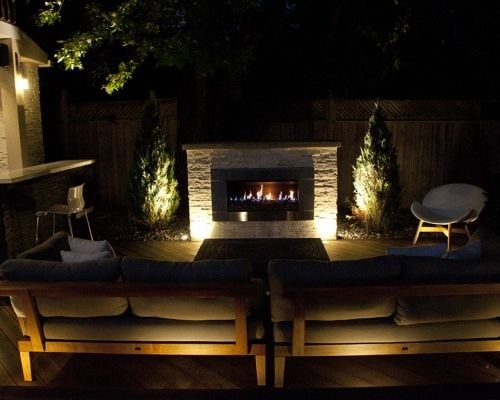
Designing practical, multifunctional outdoor spaces enhances usability and visual interest. Thoughtfully placed pathways, seating areas, and focal points create a natural flow that encourages outdoor living and social gatherings. Layered plantings and strategic zoning add depth and dimension, making the yard feel more expansive and inviting. Incorporating built-in benches or subtle lighting increases functionality without clutter, allowing your outdoor space to serve multiple purposes seamlessly.
Effective stormwater management is vital for maintaining a healthy landscape. Installing rain gardens or bioswales helps absorb runoff, reducing pressure on city drainage systems and protecting local waterways. Healthy soil and organic mulches support robust plant growth, improve water retention, and bolster resilience against heavy rains or droughts. These features ensure your yard remains vibrant and functional throughout the seasons, supporting ecological health and reducing maintenance needs.
Sustainable landscaping is an ongoing process. Regular pruning, mulching, and soil testing keep plants healthy and thriving. Seasonal adjustments to watering and lighting optimize resource use, ensuring your landscape remains resilient and beautiful over time. Native plants and eco-friendly features work together to create a balanced environment that supports local ecosystems and adapts to Toronto’s changing climate.
By adopting these eco-friendly practices, you cultivate a landscape that is both stunning and sustainable. Thoughtful plant choices, water conservation techniques, and durable materials come together to form an outdoor retreat that aligns with environmental goals and personal values. The result is a resilient, low-maintenance yard that enhances your space’s beauty while contributing positively to the city’s ecological health.

Looking Ahead: Innovations and Future Opportunities in Toronto Landscape Design
As Toronto continues to prioritize sustainability, landscape design is set to evolve with innovative technologies and eco-friendly practices that deepen the city’s commitment to environmental responsibility. Expect to see more hybrid green spaces that blend native plants, smart irrigation systems, and renewable materials, creating environments that support ecological health while offering visual appeal. These advancements will make outdoor retreats more resilient and adaptable to climate shifts, ensuring that green spaces remain vibrant and functional over time.
Emerging trends like urban agriculture and edible landscapes are gaining traction, turning yards into productive spaces that boost biodiversity and provide fresh food. Community-driven designs that foster social interaction and shared stewardship will become more common, transforming outdoor areas into hubs for environmental education and collective resilience. These projects not only enhance local ecosystems but also foster a stronger sense of belonging and responsibility among residents.
The integration of renewable energy solutions into landscape design is another promising path forward. Solar-powered lighting, water features, and energy-efficient appliances can significantly reduce reliance on non-renewable resources, lowering the carbon footprint of outdoor spaces. As technology advances, homeowners and designers will gain smarter, more accessible tools to optimize water, energy, and resource use, making sustainable landscaping more practical and appealing for all.
Native and drought-tolerant plants will continue to play a central role in shaping Toronto’s future outdoor environments. Their low-maintenance nature supports resource conservation, attracts pollinators, and benefits local ecosystems. As these plant choices become standard, landscapes will require less water and chemical input, simplifying maintenance and promoting ecological balance while maintaining aesthetic appeal.
The development of sustainable materials—such as permeable pavements, recycled composites, and eco-conscious hardscape elements—will further transform outdoor spaces. These materials help manage stormwater, reduce runoff, and lower environmental impacts, all while offering durable, visually pleasing options. Their broader adoption will be crucial in creating landscapes that are both beautiful and environmentally responsible.
Design strategies emphasizing multifunctionality will also gain importance. Outdoor spaces will serve multiple purposes—from outdoor kitchens and entertainment areas to wildlife habitats and rain gardens—maximizing utility without sacrificing beauty. This approach demonstrates that sustainability and aesthetics can coexist seamlessly, providing versatile environments that enhance quality of life and ecological health simultaneously.