What if true strength lies not in external victories or possessions, but within the mastery of oneself? Marcus Aurelius exemplifies this paradox: as emperor and warrior, he prioritized inner discipline through Stoic principles, demonstrating that resilience, self-control, and virtue are the most enduring forms of power. His life invites reflection on how internal mastery—cultivated through daily habits like journaling, reflection, and mindfulness—can fortify us amidst chaos and change. External success is fleeting, yet inner calm, patience, and moral clarity serve as a steady foundation for authentic leadership and personal growth. This timeless lesson challenges modern pursuits of superficial achievement, emphasizing that lasting influence and peace come from within. Are we willing to look beyond surface accomplishments to develop the inner resilience that can truly guide us through life’s inevitable storms? Marcus’s example reminds us that internal discipline is the greatest empire we can build.
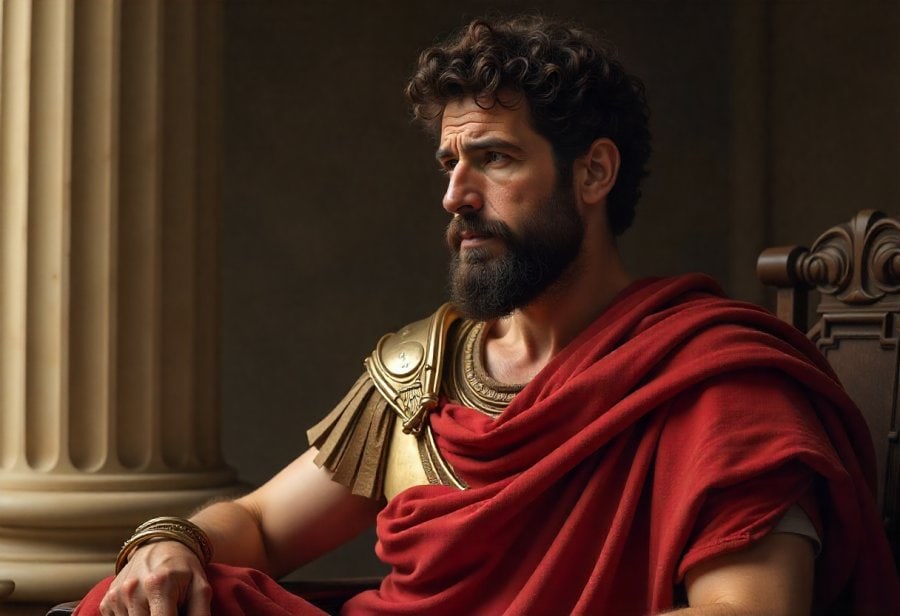
Inner Discipline: The True Source of Lasting Strength
When we think about strength, it’s tempting to picture achievements, possessions, or external power—things we can see and measure. But what if the true resilience isn’t about what’s on the surface? What if it’s something deeper, rooted inside us? This question has fascinated philosophers, leaders, and thinkers for centuries. Marcus Aurelius suggests that real strength comes from mastery over oneself, not from conquering lands or accumulating wealth. His life exemplifies how inner discipline—calm, wisdom, and self-control—can be far more powerful than any army or empire.
Many associate power with external success, yet Marcus’s example challenges that notion. As a ruler, he faced wars, plagues, and political chaos, yet maintained a steady mind and inner peace through his commitment to Stoic principles. His writings in Meditations reveal a man dedicated to self-awareness and virtue, viewing challenges as opportunities to practice resilience. His ability to govern with humility and calmness, even amid turmoil, underscores that inner strength is what truly sustains leadership.
This idea shifts the focus from external conquest to internal mastery. External power is fleeting—armies can be defeated, fortunes lost, titles revoked. Inner discipline, however, offers a lasting form of strength. It’s about controlling impulses, managing emotions, and staying focused on higher principles, regardless of circumstances. Cultivating this resilience builds a foundation that enables clearer decisions, authentic influence, and peace of mind, even when external events seem unpredictable.
Marcus’s life illustrates how inner discipline influences actions and decisions. Despite immense pressures, he prioritized reflection and self-control. His daily journaling, acceptance of what he couldn’t change, and commitment to virtue helped him navigate crises with clarity. This internal resilience became his greatest strength, allowing him to remain composed and make wise choices in chaos. It’s a reminder that genuine power isn’t about external conquest but about mastering our own minds and hearts.
In a world obsessed with appearances and surface success, it’s easy to overlook the true source of strength. Superficial displays may impress temporarily but lack durability. Lasting resilience—like Marcus’s—is invisible to most but deeply enduring. It’s built through intentional effort—self-awareness, reflection, discipline—that helps us stay steady when circumstances shift. Inner toughness, rooted in wisdom and patience, becomes the real anchor in turbulent times.
Building the Foundations of Resilience and Self-Mastery
Inner strength, resilience, and self-mastery form the foundation of true leadership and personal growth. These qualities are not just about handling difficult situations—they’re about developing a mindset that remains steady regardless of external chaos. When you cultivate mental toughness and emotional control, you’re better equipped to navigate setbacks and temptations without losing sight of your long-term goals. Genuine strength isn’t displayed through superficial achievements or external displays; it’s about staying calm and centered when everything around you seems to be falling apart. This inner stability creates a solid base from which better decisions flow, integrity is maintained, and authentic influence is built.
Self-mastery begins with recognizing that impulses and emotions often drive reactions more than we realize. Cultivating inner discipline involves learning to pause, reflect, and choose responses aligned with your higher principles instead of succumbing to immediate urges. It’s about developing a clear purpose and sticking to it, even when distractions and temptations pull you away. Leaders who master themselves earn respect because they embody consistency and authenticity. On a personal level, these qualities foster confidence and peace of mind, transforming you from a prisoner of external circumstances into someone who steers their own life with intention.
Building resilience isn’t accidental; it’s cultivated daily through deliberate effort. Practices like journaling, reflection, and mindfulness reinforce this process by increasing awareness of your thoughts and emotions. Regularly examining your actions and motivations helps you identify patterns and areas for growth. Over time, this ongoing effort for self-awareness and discipline develops mental toughness that doesn’t weaken under pressure. Instead, it becomes an inner armor, shielding you from stress and chaos, and enabling you to face challenges with composure and clarity.
Many admired leaders and thinkers have emphasized that true power stems from inner strength. Marcus Aurelius believed that the greatest victories were internal—over desires, fears, and impulses. His daily reflections reveal a man committed to controlling his mind and emotions, viewing external events as opportunities to practice virtue. This mastery provided him the calm and clarity needed to make sound decisions during crises, demonstrating that resilience rooted in self-control sustains influence and integrity far beyond external achievements.
It’s crucial to understand that superficial power—wealth, status, external accomplishments—may impress temporarily but is fragile. These can be lost instantly and do not guarantee inner peace or resilience. Genuine strength, the kind Marcus exemplified, is invisible to most but enduring over time. It’s built through consistent effort, humility, and a focus on virtues like patience and discipline. When we prioritize inner growth, external circumstances become less threatening. Inner discipline, developed through daily practice, becomes the steady foundation that supports us through life’s inevitable storms.
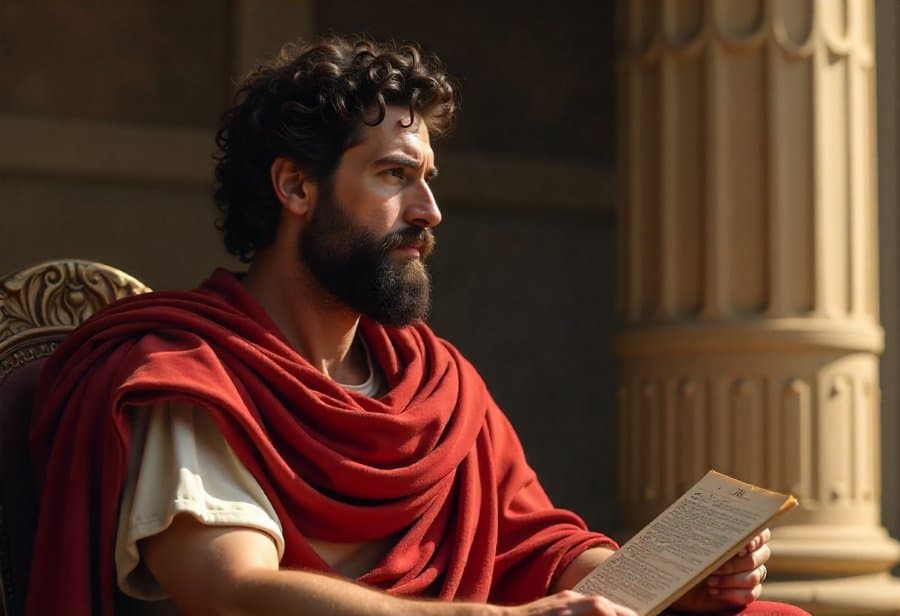
Marcus Aurelius: The Philosopher-King’s Inner Triumph
Marcus Aurelius stands out as much for his inner strength as for his role as emperor. His life was a constant balancing act—leading armies on distant frontiers, managing a vast empire, and facing crises like plagues and political unrest. Behind the scenes, however, he was deeply committed to Stoic philosophy, which emphasized self-control, virtue, and inner resilience. His daily routines of reflection and journaling, preserved in Meditations, reveal a man dedicated to mastering his mind and emotions. Even amid chaos, he looked at external events as opportunities to practice virtue, showing that true strength comes from within.
His dual identity as a warrior and philosopher shaped his approach to leadership. While commanding armies, Marcus maintained a focus on inner discipline, often reminding himself to stay calm and composed. He believed that external victories were fleeting, but internal mastery was enduring. His writings show a man who saw external success as secondary to developing moral character. This perspective allowed him to govern with humility and patience—qualities that earned him respect, not just in his time but throughout history.
Marcus’s life demonstrates how inner discipline can serve as a guiding light during times of adversity. When military setbacks or political intrigues arose, he turned inward, practicing Stoic exercises like negative visualization and self-reflection. These habits helped him accept what he couldn’t control and focus on acting according to his virtues. His ability to remain steady amid external chaos was rooted in daily effort—controlling impulses, managing fears, and maintaining a sense of purpose. This internal resilience became his greatest strength, enabling him to make wise decisions even in turbulent moments.
What sets Marcus apart is how seamlessly he integrated Stoic principles into every aspect of his leadership. His calmness and clarity during crises inspired confidence, not through threats or displays of power, but through quiet strength and moral integrity. Even in times of doubt, he leaned on his philosophical practices to keep emotions in check. His example shows that inner discipline isn’t about suppressing feelings but understanding and channeling them—turning potential weaknesses into sources of strength.
Marcus believed that power rooted in mastery over oneself surpasses external conquest. His life proves that external achievements are fragile and fleeting, while internal mastery—built through discipline and virtue—offers lasting stability. His ability to govern with patience, humility, and moral clarity reflected his inner discipline. This internal strength allowed him to navigate an empire’s complexities with grace, leaving a legacy that emphasizes authentic leadership begins within.
Today, Marcus Aurelius’s example remains relevant because it reminds us that lasting strength isn’t measured by external success but by resilience cultivated inside. His life shows that through discipline, reflection, and a commitment to virtue, we can face adversity with calm and purpose. As both a warrior and philosopher, he exemplifies that inner resilience is the true foundation of authentic power—guiding us through our struggles, regardless of external circumstances.
Applying Inner Discipline for Personal and Leadership Growth
Putting inner discipline into practice starts with small, consistent habits. Dedicating a few minutes each day to reflection strengthens your self-awareness and keeps your intentions clear. Whether it’s journaling your thoughts, reviewing your reactions, or contemplating your goals, these routines help you stay grounded and focused. Mindfulness exercises, like focusing on your breath or sensations, gradually build your capacity to pause before reacting impulsively. Over time, these simple acts become second nature, creating a solid foundation of resilience that makes responses more thoughtful and controlled.
Building self-mastery doesn’t require overnight changes. Focus on routines that support your growth—starting your day with a moment of quiet or setting a daily intention can make a difference. When stress or challenges arise, take a deep breath before responding. These brief pauses create space between stimulus and reaction, giving you the chance to act in line with your values. As these habits become habitual, your responses are more deliberate, helping you maintain calm and clarity under pressure.
In professional settings, inner discipline translates into patience, active listening, and emotional regulation. Resilience isn’t about avoiding difficulty but managing your reactions so you can approach problems with a clear mind. When tensions escalate, stepping back and breathing helps preserve your inner peace and models stability for others. These practices foster a mindset where setbacks are seen as opportunities to demonstrate strength, not sources of frustration. Over time, they reinforce your ability to lead with integrity and authenticity.
Developing self-control also involves viewing mistakes as part of growth. Instead of seeing failure as a flaw, treat it as a chance to practice resilience. Reflect on what triggered your reactions and how you can respond better next time. This mindset transforms frustration into learning, strengthening your inner resolve. Consistently applying this perspective makes resilience a natural part of how you handle challenges—an inner armor that shields you from external chaos.
Avoid superficial efforts that lack depth. Genuine inner discipline requires honesty and humility—recognizing discomfort and weakness without shame. Committing to showing up authentically, even when motivation wanes, deepens your resilience. These small but consistent acts of discipline build a core strength that sustains you through life’s inevitable storms. It’s about cultivating patience, humility, and moral clarity in everyday life and leadership.
Remember, inner discipline is a lifelong journey, not a one-time achievement. Each day offers opportunities to practice patience, reflection, and self-control. Over time, these acts create a resilient core that can withstand any challenge. Prioritizing inward growth over external validation builds a stable foundation for personal and professional development. This internal strength, developed through consistent effort, becomes your most valuable asset in navigating life’s uncertainties with confidence and purpose.
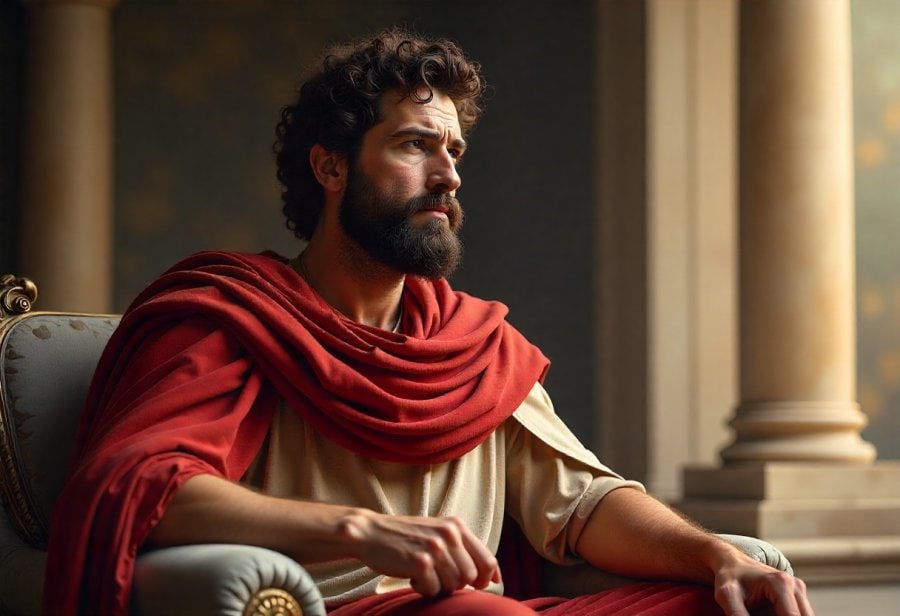
Future Visions: Embracing Inner Strength in a Changing World
Looking ahead, the enduring relevance of inner discipline remains clear, even amid today’s rapid changes and unpredictable challenges. External upheavals—whether political shifts, technological advances, or personal crises—are inevitable, but inner resilience provides a steady anchor. Cultivating mental fortitude isn’t a one-and-done effort; it’s an ongoing process that evolves with each new circumstance, sharpening our capacity to stay calm, centered, and morally grounded.
Modern tools like mindfulness, neurofeedback, and reflective practices make developing this resilience more accessible than ever. These techniques serve as contemporary extensions of Stoic exercises, helping us recognize emotional triggers and respond thoughtfully instead of react impulsively. As we integrate these methods into daily routines, our ability to maintain clarity and composure strengthens, creating a reliable foundation for handling whatever life throws our way.
The timeless virtues exemplified by Marcus—patience, humility, and discipline—remain crucial. While new methods will continue to emerge, their effectiveness depends on consistent application. Inner resilience isn’t about quick fixes; it’s built through deliberate habits that reinforce moral integrity and mental clarity. Leaders and individuals who prioritize these qualities foster trust, inspire loyalty, and navigate complexity with steadiness, especially when external circumstances seem unstable.
In a world often captivated by superficial success—titles, wealth, or fleeting achievements—focusing on inner strength offers a deeper, more lasting path. External gains can vanish in an instant, but internal mastery, rooted in discipline and virtue, provides stability that endures through storms. Investing in self-awareness and reflection isn’t just a personal benefit; it’s a safeguard that equips us to face uncertainty with confidence and purpose.
As society continues to evolve, so does the understanding that authentic power originates from within. Leaders and individuals alike are increasingly recognizing that true influence depends on internal mastery rather than external validation. This shift encourages a focus on virtues like patience, humility, and moral clarity—qualities that remain resilient beyond trends or temporary setbacks.
The journey of cultivating inner discipline is personal and lifelong. Each challenge presents an opportunity to deepen resilience, refine virtues, and strengthen resolve. The more we practice, the more natural it becomes to respond with calm, integrity, and purpose—regardless of external chaos. Inspired by Marcus Aurelius’s example, we learn that internal mastery is the most reliable foundation for authentic leadership, personal growth, and a meaningful life in an ever-changing world.