Step into the roaring heart of the 1970s muscle car era with the iconic Chevrolet SS, a symbol of raw power and daring style. These vehicles, fueled by legendary big-block engines like the 454 cubic inch V8, combined thunderous performance with bold, muscular aesthetics that demanded attention. Their aggressive lines, vibrant colors like Hugger Orange, and engineering innovations like the cowl-induction hood encapsulated a rebellious spirit of freedom and individuality. Yet, beyond their striking looks, these cars represented a technological breakthrough, setting standards for speed and craftsmanship that continue to influence automotive design today. But what makes the Chevrolet SS more than just a vintage relic? Its enduring legacy as a cultural icon of American horsepower and daring attitude raises a compelling question: can modern automakers replicate that spirit? Exploring this era reveals a timeless story of innovation, rebellion, and the relentless pursuit of speed that still echoes across generations.
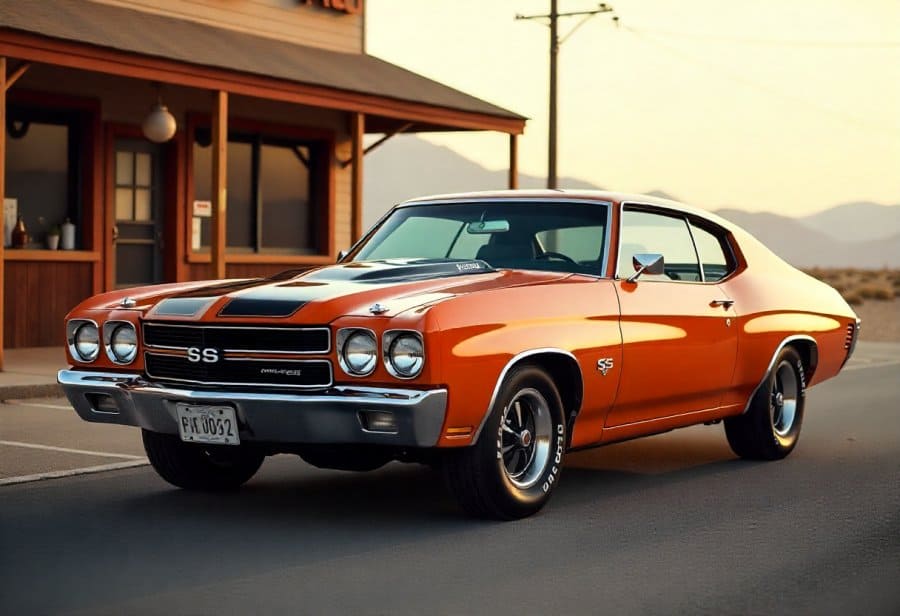
Unleashing the Spirit of American Muscle: An Introduction to the Muscle Car Era
The muscle car era is one of the most iconic chapters in American automotive history, capturing a spirit of performance, style, and attitude that still resonates today. In the 1960s and early 1970s, automakers like Chevrolet pushed the boundaries of what a car could be, creating machines that were as much about making a statement as they were about speed. These vehicles, with their bold designs and thunderous engines, became symbols of freedom, rebellion, and youthful energy, embodying a cultural shift toward independence and self-expression.
At their core, muscle cars combined powerful big-block engines with aggressive styling, transforming everyday cars into street legends. The roar of a V8 engine, the muscular lines of the body, and eye-catching paint jobs all contributed to a sense of raw, unfiltered power. These cars weren’t just transportation—they were expressions of personality, vehicles that conveyed confidence and a love for speed. Enthusiasts saw them as a way to stand out and connect with a rebellious, daring ethos that defined the era.
The rise of muscle cars marked a turning point in automotive engineering. Manufacturers experimented with dual exhausts, high-performance suspensions, and innovative induction systems, pushing technological boundaries. Models like the Chevrolet Chevelle SS 454 and Camaro SS became icons, showcasing impressive horsepower and striking aesthetics that set new standards for American performance cars. Their development was driven by a mix of consumer demand and automakers’ ambitions to dominate both streets and drag strips.
However, this golden age faced challenges. Rising fuel prices, stricter emissions regulations, and increasing insurance costs began to temper the muscle car craze in the mid-1970s. Despite these hurdles, the legacy of these vehicles persisted, fueled by a passionate community of collectors, car clubs, and enthusiasts. Their cultural impact extended beyond the streets, influencing design trends and inspiring future generations of performance cars. The sound of a big-block V8 echoing through neighborhoods remains a powerful symbol of American ingenuity and rebellion.
Born from Competition: The Origin and Impact of the 1970s Chevrolet SS
The 1970s Chevrolet SS didn’t just appear out of nowhere; it was born from a fierce competition among American automakers eager to showcase their performance capabilities during the golden age of muscle cars. This era was marked by rapid innovation, with manufacturers racing to produce the most powerful and eye-catching vehicles on the streets. Chevrolet responded with models like the Chevelle SS 454 and Camaro SS, which quickly became symbols of American horsepower and engineering prowess. These cars weren’t just about speed—they represented a statement of dominance, blending brute force with aggressive styling that demanded attention.
The development of the Chevrolet SS was driven by both consumer desire for high-performance machines and automakers’ ambitions to lead the performance scene. Every detail, from the dual exhausts to the bold racing stripes and muscular body lines, was carefully crafted to emphasize strength and speed. The iconic cowl-induction hood, often with a functional scoop, not only added visual drama but also served a practical purpose—drawing cooler, denser air into the engine for improved performance. These engineering choices made the Chevrolet SS a true street beast, built for serious acceleration and durability.
As these models gained popularity, they also became cultural icons reflecting the rebellious, daring spirit of their time. Bright colors like Hugger Orange and Rally Red, complemented by racing stripes and chrome accents, made them impossible to ignore. Their bold aesthetics weren’t just for show—they conveyed a sense of motion and attitude, even when parked. The Chevrolet SS embodied freedom and individualism, resonating with a generation eager to push limits and break convention. These cars weren’t merely transportation; they were symbols of youthful energy and daring.
The influence of the Chevrolet SS extended far beyond their initial impact. They set new standards for automotive performance, inspiring technological innovations such as high-performance suspensions, heavy-duty cooling systems, and advanced induction techniques. Even as rising fuel prices and emissions regulations slowed the muscle car craze in the mid-1970s, the legacy persisted. Enthusiasts, collectors, and car clubs kept the spirit alive, ensuring that these icons remained central to American automotive culture. Their roar still echoes in modern performance cars, a reminder of a time when power and style went hand in hand.
Today, the Chevrolet SS stands as a testament to that golden era, symbolizing raw power, bold design, and American ingenuity. Its origins and development tell a story of relentless pursuit—of speed, innovation, and attitude—that continues to inspire automotive enthusiasts. These cars are more than relics; they are enduring icons that captured a moment when muscle cars defined a generation. Their legacy continues to influence the industry, reminding us that true performance isn’t just about numbers—it’s about making a lasting impression.
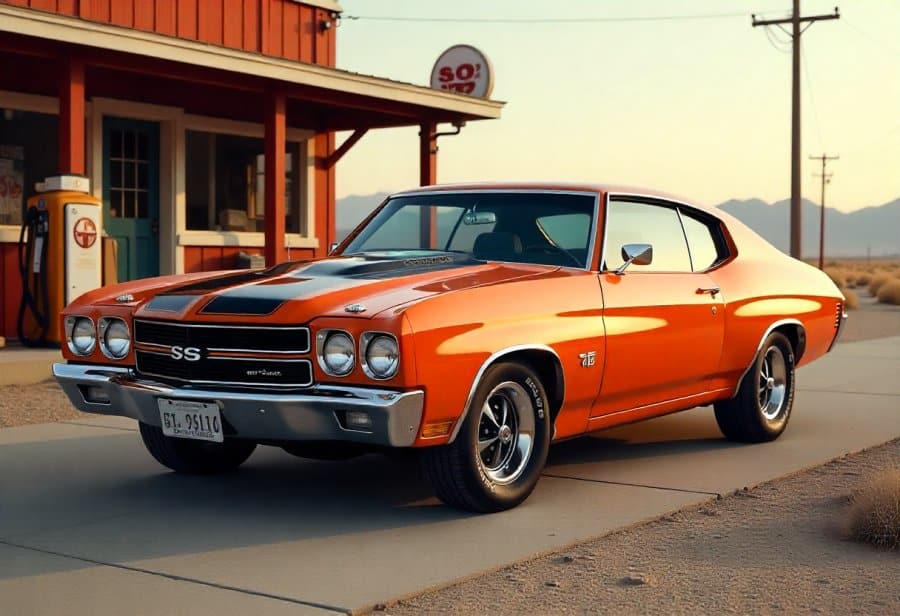
Design That Demands Attention: The Bold Style of the 1970s Chevrolet SS
The design of the 1970s Chevrolet SS is instantly recognizable and epitomizes the bold, muscular aesthetic that defines vintage muscle cars. Its wide, low stance commands attention, giving it an aggressive presence on the road that hints at the raw power beneath. The sculpted body lines and broad wheel arches emphasize strength and motion, creating a look that’s both purposeful and striking. Features like the cowl-induction hood, often with a functional scoop, serve as visual cues of high performance, while also hinting at the engineering prowess that powered these cars.
Color played a crucial role in establishing the Chevrolet SS’s commanding personality. Bright hues like Hugger Orange and Rally Red, paired with racing stripes and bold graphics, made the car impossible to overlook. These vibrant shades, combined with contrasting black or white stripes, conveyed energy and movement even when the vehicle was stationary. Chrome accents, rally wheels, and a prominent grille added touches of classic muscle car elegance, blending style with a sense of intimidation that demanded respect.
Every detail on the Chevrolet SS was crafted to evoke speed and dominance. The muscular contours and wide stance give the impression of a vehicle ready to explode into action at any moment. The hood scoop and aggressive front end not only enhanced airflow and engine cooling but also contributed to the car’s visual drama. These design choices encapsulate the essence of vintage muscle cars: vehicles built to turn heads and express individual attitude. The bold, unapologetic styling made the Chevrolet SS a true icon of rebellion and performance.
Designing these cars involved a delicate balance between form and function. The muscular profile and aerodynamic features improved handling at high speeds, while the aesthetic details reinforced the car’s potent image. The chrome touches and rally wheels added sophistication, creating a harmonious blend of raw power and refined style. This integration of engineering and design made the Chevrolet SS stand apart from more subdued vehicles, cementing its status as a symbol of the muscle car era.
The visual impact of the Chevrolet SS continues to resonate today, embodying the fearless spirit of its time. Its muscular silhouette, vibrant palette, and performance-inspired details reflect an era when cars were more than transportation—they were bold statements of personality and rebellion. Every line and feature was deliberately crafted to showcase power and attitude, making the Chevrolet SS more than just a vehicle; it’s a timeless emblem of American horsepower and style.
Power Meets Style: What Made the 1970s Chevrolet SS a Legend
The 1970s Chevrolet SS stands out because it masterfully combined raw performance with striking aesthetics that made it an icon of its era. At its core, the car’s big-block V8 engines—most notably the legendary 454 cubic inch (7.4L)—delivered jaw-dropping horsepower and torque, making acceleration feel almost unstoppable. The thunderous exhaust notes and deep growl of these engines weren’t just sounds—they were a visceral expression of American muscle at its peak. This relentless power wasn’t hidden; it was on full display, reinforcing the car’s reputation as a street beast and a performance legend.
But performance alone wouldn’t define the Chevrolet SS. The car’s bold visual design played an equally important role in its standout status. Its wide stance, muscular contours, and aggressive lines gave it an unmistakably commanding presence. Features like the cowl-induction hood, with either functional or decorative scoops, hinted at the high-performance capabilities lurking beneath. Bright colors like Hugger Orange and Rally Red, paired with racing stripes and chrome accents, made sure the car was impossible to ignore—whether parked or in motion. Every element was crafted to evoke speed, attitude, and a rebellious spirit.
The design details weren’t just about looks—they served to amplify the car’s performance message. Wide wheel arches and sculpted body panels emphasized strength and motion, even when stationary. The chrome grille and rally wheels added a touch of classic elegance, contrasting with the raw power suggested by the aggressive lines. The combination of these elements created a vehicle that looked as fast as it performed, capturing the imagination of enthusiasts and casual observers alike. It was a visual statement that this car was built to dominate both on the street and at the drag strip.
Underlying this aesthetic appeal was a focus on engineering innovation. The cowl-induction hood, often with a scoop, was designed to funnel cooler, denser air into the engine for better combustion, boosting performance. Dual exhaust systems not only improved power delivery but also added to the car’s thunderous sound. Performance-tuned suspensions and heavy-duty transmissions ensured that the power translated into real-world speed and agility. These technical features complemented the bold look, making the Chevrolet SS a true package of strength, speed, and style.
What made the Chevrolet SS a standout was its seamless integration of form and function. It wasn’t just about looking fast—it *was* fast. Every curve, line, and detail was deliberately crafted to showcase power and attitude, making it more than a car; it was a symbol of daring and American ingenuity. This harmony of performance and style reflected the era’s bold spirit, inspiring admiration across generations. The legacy of the Chevrolet SS endures because it exemplifies how aesthetic boldness and engineering excellence can come together to create something truly legendary.
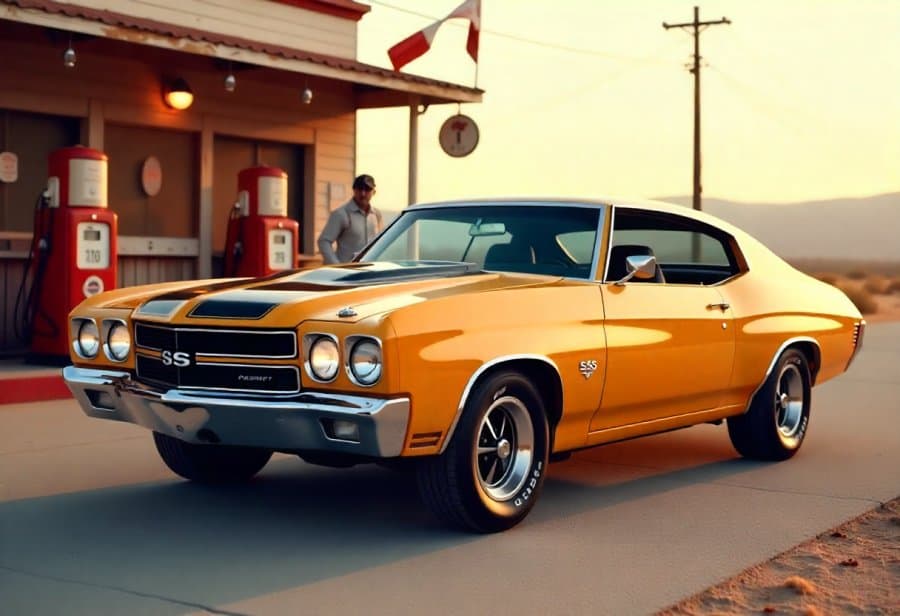
Enduring Legacy: How the 1970s Chevrolet SS Continues to Shape Car Culture
The 1970s Chevrolet SS left a mark that goes far beyond its production years, shaping car culture and influencing automotive design for generations. Its bold styling, legendary 454 big-block engine, and unmistakable roar helped define what it meant to be a true muscle car icon. Even decades later, enthusiasts and collectors continue to celebrate these vehicles as symbols of American horsepower at its peak, embodying a rebellious spirit that still resonates today.
This era’s muscle cars, including the Chevrolet SS, set enduring standards that continue to inspire. Car shows, museums, and dedicated clubs work tirelessly to preserve their legacy, ensuring that the raw power and daring aesthetics remain a vital part of automotive history. The sound of a roaring big-block or the sight of a vintage Chevy on the street still sparks nostalgia and admiration, reminding us of a time when performance and style were inseparable.
The influence of the Chevrolet SS extends into modern muscle car trends. Automakers draw on its bold silhouette and performance heritage, blending vintage cues with contemporary technology. Today’s muscle-inspired models often incorporate retro design elements, paying homage to that golden age of American performance. For collectors and enthusiasts, chasing the thrill of these cars is about more than ownership—it’s about connecting with a shared history of innovation, risk-taking, and craftsmanship that continues to inspire.
Culturally, these cars foster a sense of identity rooted in freedom and daring. They frequently appear in films, music, and media that celebrate American independence and rebellion. The thunderous engine sounds serve as an auditory symbol of youthful energy and daring adventures, echoing the ethos that made muscle cars so compelling. For many, owning or simply witnessing these vehicles links them to a collective story of ingenuity and fearless pursuit of performance.
The legacy of the Chevrolet SS also highlights how cars can transcend mere transportation to become cultural icons. They symbolize a time when American automakers prioritized horsepower, bold design, and innovation—values that still influence the industry today. Preserving this legacy isn’t just about nostalgia; it’s about honoring a spirit of boldness that continues to drive the industry forward.
For today’s enthusiasts, exploring the history of the Chevrolet SS offers more than a nostalgic glance back. It’s an opportunity to understand how these vehicles shaped automotive trends and cultural ideals. Restorations, car shows, and casual admiration all serve as acts of homage, keeping alive the daring, horsepower-driven spirit that defined an era. These cars remind us that true greatness isn’t just about speed—it’s about leaving a lasting impression that endures across generations.