In a world dominated by screens and digital interactions, can the simple act of tending a garden together forge deeper human connections and promote healing? This compelling exploration reveals how shared gardening goes beyond planting seeds—it cultivates patience, trust, and emotional bonds. Historically rooted in community and collective effort, gardening remains a powerful tool for resilience and relationship-building, especially in urban settings where communal spaces foster support and unity. Today’s innovative practices, from urban farms to digital platforms, expand gardening’s reach, turning routine acts like watering or harvesting into meaningful rituals. As technology merges with nature, the future promises inclusive, sustainable, and therapeutic gardening initiatives that strengthen bonds across diverse groups. This narrative challenges the notion that digital disconnection diminishes intimacy, suggesting instead that nurturing life together—be it plants or relationships—can unlock profound emotional healing and lasting connection.
Connecting Through the Soil: How Shared Gardening Fosters Bonds and Healing
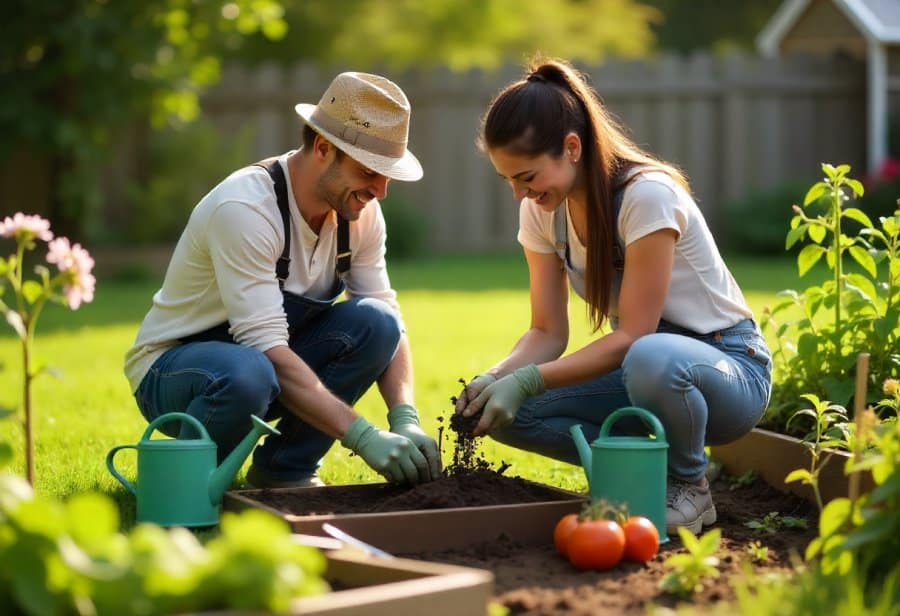
In today’s fast-paced digital world, it’s easy to feel disconnected even when we’re constantly online. We scroll through social media, reply to messages, and check notifications, yet many of us still experience loneliness or a desire for genuine human connection. Shared gardening offers a simple but powerful way to step away from screens and reconnect in a more meaningful way. When people work side by side in the soil, they’re not just planting seeds—they’re laying the groundwork for stronger relationships and emotional healing.
Tending a garden together creates a natural space for patience, cooperation, and shared effort. These qualities often get lost amid our busy routines but come alive when working with nature. As hands work the earth and eyes watch seedlings sprout, relationships deepen without the need for elaborate plans or conversations. This ongoing act of nurturing encourages trust and understanding, turning small acts into meaningful rituals that support emotional well-being.
Gardening has a long history as a social activity that fosters connection. Communities have used shared gardens for centuries—not just to grow food but as gathering places for storytelling, support, and collective pride. These spaces helped forge relationships rooted in cooperation, patience, and mutual care. Today’s urban community gardens and backyard plots continue this tradition, offering modern ways for diverse groups to come together and build resilience through shared effort.
Beyond its social roots, science shows that gardening benefits mental health. Working with plants reduces stress, lifts mood, and encourages mindfulness. When done with others, these benefits multiply, creating therapeutic environments where emotional bonds can grow alongside the plants. Sharing this activity allows for honest expression, empathy, and a sense of belonging—key elements for healing and connection.
In a world increasingly driven by technology, the act of gardening reminds us of something fundamental: genuine human connection often blossoms in simple, shared acts. Digging in the earth together fosters patience, trust, and cooperation—qualities that digital interactions rarely nurture. It’s through these tactile, nurturing moments that relationships deepen and emotional resilience is built, proving that sometimes, the best way to reconnect is simply to get our hands dirty.
Roots of Connection: The Historical Role of Gardens in Building Community and Trust
Gardening has played a vital role in human societies for thousands of years, serving as much more than a practical activity. Historically, shared gardens have been central to community life, acting as spaces where people came together to cultivate not just crops, but social bonds. In ancient civilizations, communal plots weren’t solely about food production; they were gathering spots for storytelling, support, and collective pride. These gardens fostered cooperation and trust, creating relationships rooted in shared effort and mutual care.
As societies evolved through the Renaissance and beyond, gardens continued to symbolize unity. Large estates and towns developed communal spaces that hosted social events, celebrations, and gatherings. Working the land in these settings helped to forge bonds based on patience, teamwork, and aesthetic appreciation. These collective activities reinforced social ties and fostered a sense of shared identity that still echoes in today’s community gardening efforts.
Today’s urban landscapes carry this rich tradition forward with modern twists. Community gardens, allotments, and backyard vegetable patches serve as contemporary versions of those historic social spaces. They are about more than just growing food—they act as platforms for dialogue, mentorship, and friendship. When neighbors work side by side, routines like planting, watering, or harvesting become natural opportunities for interaction, turning everyday chores into meaningful moments that strengthen relationships.
Research underscores these social benefits, revealing that engaging with nature reduces stress and lifts mood. Sharing gardening activities amplifies these effects, creating environments where emotional healing and connection flourish. The act of tending plants together taps into our innate biophilia—the deep human need to connect with nature—making shared effort a powerful catalyst for building trust and understanding.
Therapeutic horticulture and community programs have expanded this idea, blending traditional gardening with mindfulness and healing practices. These initiatives demonstrate how collective care of plants nurtures emotional resilience and social cohesion. Whether in a city park or a community center, tending to a garden becomes a universal language of support, breaking down barriers and fostering empathy across diverse groups.
Looking back, it’s clear that gardening has always been more than a practical task. It’s a social act that cultivates patience, trust, and emotional bonds. As we seek ways to reconnect in an increasingly digital world, understanding this deep-rooted tradition highlights how shared gardening can serve as a timeless tool for healing and relationship-building. In every seed planted and every shared harvest, there’s an opportunity to nurture not just plants, but human connections that last.
Cultivating Relationships Today: Modern Trends Turning Gardens into Bonding Arenas
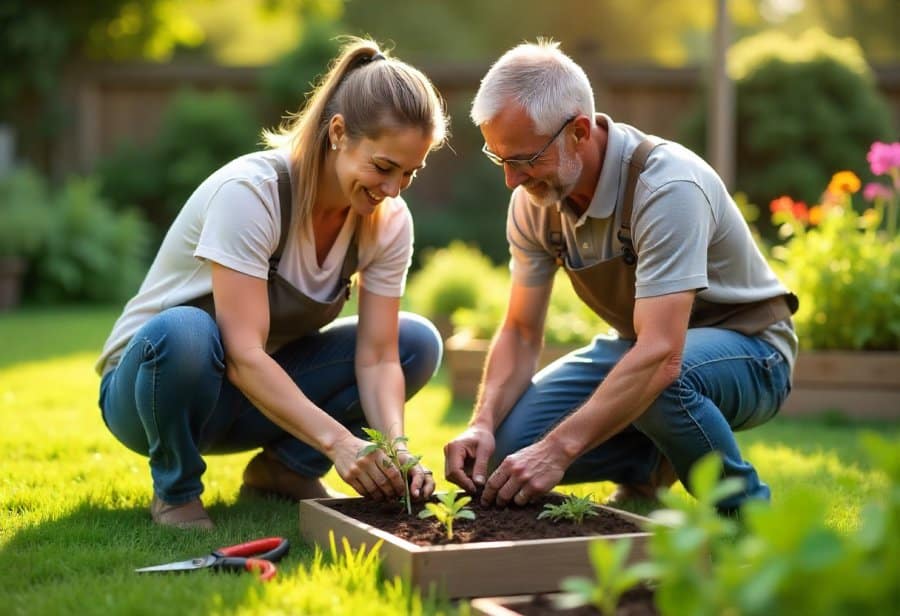
Today’s gardening scene is more diverse and innovative than ever, turning shared outdoor spaces into powerful tools for relationship growth and emotional healing. Community gardens and urban plots are flourishing, emphasizing inclusivity and collective effort. These spaces do more than grow plants; they foster a shared purpose and create a sense of belonging among people from different backgrounds. Many modern practices focus on mindfulness and intentionality, transforming gardening from a simple chore into a meaningful ritual that deepens bonds.
Technology plays a significant role in today’s shared gardening efforts. Apps and online forums help people plan, coordinate, and celebrate their successes, making gardening more accessible and engaging. Whether tracking plant growth or exchanging tips, digital tools keep everyone connected, even amid busy schedules. This fusion of technology and nature turns gardening into an ongoing journey that strengthens emotional ties through shared experiences.
Community models that promote collaboration continue to grow in popularity. Shared plots in urban gardens encourage neighbors to work side by side, building teamwork, communication, and trust. Routine activities like watering, planting, or harvesting become natural opportunities for interaction and mutual support. When everyone takes part, these daily routines foster a collective sense of achievement, boosting resilience and nurturing relationships through simple, repeated acts.
Many find that small routines—watering, pruning, or harvesting—are surprisingly effective for relationship building. These acts become regular moments for connection without requiring elaborate planning. Over time, they develop into a rhythm of shared effort woven into daily life, cultivating trust and patience. Quiet conversations and shared observations in the garden naturally deepen emotional bonds, making the activity both effortless and meaningful.
Of course, shared gardening isn’t without challenges. Differences in skill, physical ability, or interest can sometimes cause frustration. Weather setbacks or garden failures might dampen enthusiasm, risking tension instead of connection. Open communication and flexibility in roles can help keep everyone motivated and engaged. Celebrating small wins and adjusting responsibilities to suit individual strengths turn obstacles into opportunities for resilience and growth.
Despite these hurdles, stories abound of how gardening transforms relationships. Couples rediscover patience and understanding through joint projects, while community groups forge new friendships in shared plots. These experiences demonstrate that even simple acts in the garden serve as powerful catalysts for lasting bonds. As trends evolve, innovations like vertical gardens and eco-friendly practices continue to make shared gardening more inclusive and meaningful, reinforcing its role as a tool for connection amid urbanization and digital life.
By embracing these new approaches while honoring traditional values, shared gardening remains a vital way to nurture both plants and people. It offers a space where patience, cooperation, and care can flourish, strengthening emotional resilience and fostering genuine bonds. In a world often driven by speed and screens, tending a garden together reminds us of the timeless power of nurturing life—and each other.
Growing Together: Practical Steps to Turn Gardening into Heartfelt Connection and Support
Turning gardening ideas into meaningful relationship activities starts with focusing on simple, shared tasks that everyone can participate in comfortably. Beginning with small projects, like planting a few vegetables or flowers together, makes collaboration feel approachable and rewarding. Establishing regular routines—such as watering or harvesting on set days—creates natural opportunities for conversation and connection, turning everyday chores into shared rituals that strengthen emotional bonds over time.
To deepen these connections, set achievable goals together, like growing a specific number of blooms or harvesting a certain amount of produce by a deadline. Celebrating these milestones reinforces a sense of shared accomplishment and keeps motivation high. During gardening sessions, sharing stories or feelings—about what the plants remind you of or your hopes for the future—transforms the activity into a bonding ritual that nurtures empathy and understanding.
Adapting activities to suit each person’s interests and abilities ensures everyone feels included and valued. Someone with an eye for design might focus on arranging flowers or planning the layout, while others might enjoy practical tasks like composting or planting herbs. Adjusting roles based on physical ability or time constraints helps maintain enthusiasm and fosters mutual respect, making the experience more enjoyable and meaningful for all involved.
Gardening isn’t without its challenges. Differences in skill levels, physical ability, or interest can sometimes lead to frustration. Weather setbacks or garden failures might dampen spirits, but open communication about expectations and roles can turn setbacks into opportunities for resilience. Celebrating small wins and being flexible with responsibilities help keep everyone motivated, encouraging patience and teamwork even when things don’t go perfectly.
Approaching gardening as a shared adventure rather than a chore creates a natural flow of connection. Routine acts like watering, pruning, or harvesting become moments for genuine interaction, cultivating trust and patience without the need for elaborate plans. Over time, these small acts weave into daily life, nurturing a foundation of mutual support that can withstand life’s ups and downs.
By focusing on consistent, mindful routines, gardening becomes a gentle but powerful way to deepen relationships. Whether it’s watering plants together or enjoying the harvest, these acts foster trust and understanding without pressure. Over time, they help build resilience, patience, and emotional intimacy—making gardening not just about plants, but about growing and nurturing human bonds in the process.

Nurturing the Future: Innovations and Trends Shaping Gardening as a Tool for Connection and Well-Being
Looking ahead, the future of gardening as a tool for connection and healing is poised to become even more dynamic, driven by technological innovation and new approaches to urban living. Smart gardening apps and online platforms are transforming how people plan, share, and celebrate their planting efforts. These digital tools make shared gardening more organized and accessible, allowing groups and individuals to stay connected regardless of physical distance or busy schedules. By merging technology with nature, gardening can continue to serve as a meaningful way to strengthen bonds across communities and families.
Urban spaces are opening up exciting possibilities with vertical gardens, container setups, and modular planting systems. These innovations make gardening accessible to city dwellers who may have limited outdoor space, broadening participation and fostering a collective environmental consciousness. As more people find ways to cultivate plants within their homes or small outdoor areas, their shared efforts contribute to a sense of purpose and environmental stewardship, deepening emotional ties through common goals.
Eco-conscious gardening practices are gaining momentum, emphasizing native planting, composting, and sustainable soil management. When these efforts are shared within communities, they reinforce a collective sense of responsibility and mutual support. Working together on sustainability projects not only nurtures the environment but also strengthens bonds, creating a shared identity rooted in caring for the planet and each other.
Community programs that combine traditional horticulture with innovative approaches like therapeutic gardening and mindfulness are expanding. These initiatives offer safe, supportive spaces for emotional resilience and social bonding. They demonstrate how tending to plants can transcend physical boundaries, serving as a universal language of healing that unites diverse groups regardless of background or ability.
Emerging technologies such as virtual and augmented reality are also opening new dimensions for gardening. Virtual tours of lush gardens and AR-based planting simulations enable people to engage with nature in immersive ways, even from afar. These tools facilitate shared experiences that foster emotional connections, making gardening accessible to those who might otherwise feel excluded due to physical or logistical barriers.
Staying informed about these trends allows individuals and communities to harness the full potential of gardening for healing and relationship-building. Participating in workshops, exploring new tools, and adopting innovative practices can turn everyday routines into powerful acts of connection. As these developments evolve, they keep the act of gardening relevant, inclusive, and impactful in fostering resilience and emotional well-being.
Ultimately, the enduring appeal of gardening lies in its simplicity and depth—caring for plants taps into fundamental human needs for growth, connection, and purpose. The integration of technology and new practices enhances this timeless activity, making it more accessible and meaningful than ever. As we embrace these innovations, gardening will continue to serve as a universal bridge, nurturing not only the earth but the human bonds that sustain us.