Transforming Toronto yards into stunning outdoor retreats requires balancing unparalleled beauty with environmental responsibility. How can homeowners achieve lush, visually captivating landscapes that also support local ecosystems and conserve resources? This guide uncovers the core principles of sustainable landscape design, emphasizing native plants, smart water management, and eco-friendly materials. Historically focused on aesthetics, Toronto’s landscape practices have shifted toward ecological harmony, inspired by innovative projects and industry leaders. Real-world examples illustrate how native grasses, rain gardens, and permeable pavements create resilient, low-maintenance, and vibrant outdoor spaces. As future trends point toward green roofs, urban farming, and advanced water-saving technologies, the challenge remains: how can we seamlessly combine style with sustainability? The answer lies in thoughtful planning and collaboration with experienced designers—crafting yards that are not just beautiful but vital for ecological health. This evolving approach promises a future where responsible landscaping elevates Toronto’s outdoor living while safeguarding its environment.
Transform Your Toronto Outdoor Space with Expert Landscape Design
Looking to elevate your outdoor living in Toronto? Toronto Landscape & Design (TLD) offers stunning solutions with natural stone features, water gardens, irrigation systems, and retaining walls. Our award-winning designers take everything into consideration, ensuring each project reflects your style and functionality. Whether you’re dreaming of a complete backyard makeover or subtle landscape enhancements, our team is dedicated to creating personalized, breathtaking results. For a consultation, contact us at [email protected] or call 1.416.644.0499. Discover how our expertise can turn your outdoor space into a beautiful, functional retreat with TLD’s professional landscape services, including a backyard makeover.
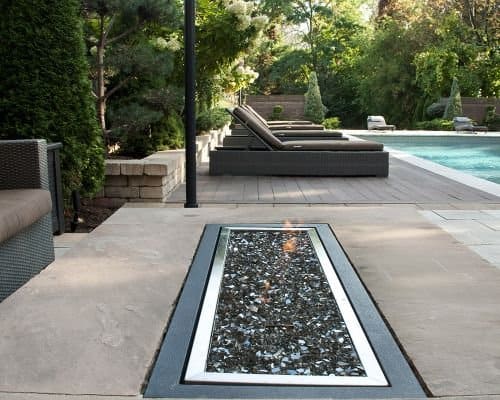
Transform Your Toronto Yard: Balancing Beauty and Sustainability
Creating a beautiful yard in Toronto goes beyond just choosing eye-catching plants or adding stylish features. It’s about doing so responsibly, with an eye toward protecting the environment while still making your outdoor space inviting. As outdoor areas become more than just visual statements—they serve as personal retreats or social hubs—balancing aesthetic appeal with ecological responsibility has never been more important.
In Toronto’s climate, this balance starts with selecting native plants. These species are naturally adapted to local weather patterns, requiring less water, fewer fertilizers, and minimal chemicals. They support local wildlife and create a natural harmony that enhances your yard’s beauty without demanding excessive maintenance. This approach not only promotes sustainability but also ensures your landscape remains resilient through changing seasons.
Designing sustainable outdoor spaces involves thoughtful planning. It’s about creating functional areas that suit your lifestyle—whether that’s relaxing, entertaining, or gardening—while integrating eco-friendly choices seamlessly. Smart water management techniques, like rain gardens and permeable paving, help control runoff, conserve resources, and protect Toronto’s waterways. These features turn your yard into a responsible retreat that benefits both your family and the environment.
Involving clients early in the design process makes a significant difference. When homeowners share their vision and preferences, it’s easier to incorporate sustainable principles into a space that truly reflects their personality. This collaborative approach not only results in a more personalized yard but also encourages ongoing stewardship and care, ensuring your outdoor space remains vibrant and eco-conscious for years to come.
Today’s landscape design in Toronto reflects a shift toward prioritizing both beauty and sustainability. Homeowners are embracing innovative features like drought-tolerant plants, green infrastructure, and eco-friendly materials. These choices create yards that are not only visually appealing but also resilient and environmentally supportive, aligning with the city’s broader ecological goals.
Balancing aesthetic appeal with environmental responsibility isn’t just a trend—it’s a necessity. By making informed choices and working with experienced professionals, you can transform your yard into a stunning outdoor retreat that supports local ecosystems, conserves resources, and stands the test of time. This approach ensures your outdoor space remains a source of pride and environmental stewardship for years ahead.
Toronto Landscaping Through the Ages: A Shift Toward Eco-Consciousness
Toronto’s landscape practices have undergone a significant transformation over the decades. In the past, yards were primarily designed to impress visually, focusing on neatly trimmed lawns, ornamental plants, and traditional hardscaping like patios and walkways. The goal was often to create a tidy, aesthetically pleasing space that fit the suburban ideal, with little regard for environmental impact. These early designs prioritized curb appeal and convenience, often at the expense of ecological health.
As awareness around environmental issues grew, so did the movement toward more sustainable landscaping. Starting in the early 2000s, homeowners and professionals began embracing native plants that are well-adapted to Toronto’s climate. These plants require less water, fertilizers, and chemicals, making maintenance simpler and cheaper. More importantly, they support local ecosystems by providing habitat for native insects, birds, and pollinators, shifting the focus from purely ornamental to ecologically integrated designs.
Local projects played a key role in demonstrating that sustainable practices could be both beautiful and functional. Initiatives like the Evergreen Brick Works, which transformed an old quarry into a vibrant community space with native plantings and water management features, set a new standard. These projects showed that eco-conscious design could enhance the beauty and resilience of outdoor spaces, inspiring others to follow suit. Over time, this helped shift Toronto’s landscape approach from traditional aesthetics to a more environmentally mindful mindset.
Toronto’s landscape architects have been at the forefront of this change. Pioneers like Janet Rosenberg have championed designs emphasizing native plants, biodiversity, and ecological health. Organizations such as Landscape Ontario have promoted sustainable practices through education and certification programs, raising awareness across the industry. These efforts have helped embed responsible landscaping as a standard part of the city’s design culture, encouraging widespread adoption of greener techniques.
Today, Toronto continues to evolve with a clear trend toward integrating sustainability into outdoor spaces. Drought-tolerant plants, permeable paving, and green infrastructure like rain gardens are becoming common choices. New innovations, including urban farming, green roofs, and smart irrigation systems, are pushing the boundaries of sustainable landscape design. This ongoing shift reflects a broader understanding that beauty and ecological responsibility can go hand in hand, shaping Toronto’s outdoor spaces into resilient, vibrant environments for generations to come.

Fundamental Principles for Creating Eco-Friendly Outdoor Spaces
Creating an eco-friendly and visually appealing outdoor space begins with understanding some core principles of sustainable landscape design. These principles serve as the foundation for developing yards that are both resilient and beautiful, supporting the environment while fulfilling your personal needs. At their heart, they emphasize working with nature rather than against it—prioritizing native plants, managing water wisely, and choosing environmentally responsible materials that stand the test of time.
One of the key ideas is selecting native plants suited to Toronto’s climate. These species are naturally adapted to local weather patterns, requiring less water, fewer fertilizers, and minimal chemicals. They support local biodiversity by providing habitat for native insects, birds, and pollinators, creating a vibrant, authentic landscape that requires less maintenance and is more resilient across seasons. Incorporating native plants into your yard not only reduces ecological impact but also enhances its natural beauty.
Water management is central to sustainable design. Features like rain gardens, permeable paving, and drip irrigation systems help reduce runoff, promote water absorption, and conserve resources. These practices protect nearby waterways from pollution and erosion, especially important given Toronto’s variable weather. Smart water solutions make your outdoor space more adaptable to droughts and heavy rains, ensuring it remains lush and functional through changing conditions.
Choosing eco-conscious materials further boosts your landscape’s sustainability. Hardscaping elements made from recycled or sustainably sourced materials minimize environmental impact during production. Durable, weather-resistant materials ensure your outdoor features maintain their beauty over time, reducing the need for repairs or replacements. Thoughtful material choices help your yard stay attractive and eco-friendly for years to come.
Balancing aesthetics with environmental responsibility requires careful planning and thoughtful design. Creating zones for relaxing, entertaining, or gardening can maximize both beauty and function. Incorporating native grasses, water features, and eco-friendly lighting adds visual interest without sacrificing sustainability. When these principles are integrated seamlessly, your yard transforms into a harmonious outdoor retreat—one that supports ecological health, enhances your lifestyle, and stands as a reflection of responsible design.
Real-World Success Stories: Practical Applications of Sustainable Design
Seeing sustainable landscape principles in action can make their benefits clearer. Take a Toronto property where native grasses, drought-tolerant plants, and a rain garden were integrated into the yard. The transformation created a lush, low-maintenance space that handles stormwater naturally and supports local wildlife. Instead of a traditional lawn, the homeowner now enjoys a vibrant, eco-friendly retreat that blends seamlessly with the surrounding environment, proving that sustainable design can be both beautiful and practical.
In another example, an urban Toronto backyard was redesigned with modern aesthetics in mind, yet prioritized sustainability. Native plantings, permeable pavers, and solar-powered lighting transformed a small space into a stylish, eco-conscious oasis. The result is a functional outdoor area that doesn’t sacrifice green principles for style, demonstrating how thoughtful layout and eco-friendly features can coexist in even the tightest urban environments.
Small upgrades can also highlight the power of sustainable practices. Replacing a conventional turf with native grasses, adding a rain garden to manage runoff, and incorporating natural contours turned a tired yard into a peaceful sanctuary. These changes not only reduce water use but also create habitats for local birds and insects. It’s a reminder that even modest projects, when guided by sustainable principles, can make a significant difference in both aesthetics and ecological health.
Consider a Toronto patio that was reimagined into a sleek, eco-friendly lounge. Using recycled materials for hardscaping, native shrubs, and solar lighting, the space became an urban oasis that combines modern design with environmental responsibility. This project shows how even limited outdoor spaces can be transformed into responsible retreats, proving that sustainability enhances visual appeal rather than detracts from it.
These real-world examples illustrate how aligning design with client preferences while applying core principles can produce yards that are both stunning and sustainable. Whether it’s a lush garden, a contemporary patio, or a cozy backyard, these projects demonstrate that sustainable practices are flexible and impactful. They also highlight the importance of collaborating closely with homeowners to ensure the space feels authentic and personal.
The common thread across all these projects is a thoughtful, integrated approach. By combining native plants, water-smart features, and eco-conscious materials, designers and homeowners can create outdoor spaces that support biodiversity, require less maintenance, and stand the test of time. These successful transformations prove that responsible landscaping isn’t just a trend—it’s a practical, rewarding choice that benefits both the environment and property value.
Ultimately, these case studies show that responsible landscaping can be both beautiful and functional. With careful planning and a focus on local conditions, Toronto yards can become vibrant, resilient spaces that enhance quality of life while supporting ecological health. They serve as inspiring models, illustrating that sustainability and aesthetics can work hand in hand to create outdoor retreats that are as inviting as they are eco-friendly.

Looking Ahead: The Future of Sustainable Landscaping in Toronto
As Toronto’s urban landscape continues to evolve, so does the approach to sustainable yard design. The core principles—such as utilizing native plants, conserving water, and choosing eco-friendly materials—remain central to creating outdoor spaces that are both beautiful and resilient. Future trends are poised to push these boundaries even further, incorporating innovative solutions like green roofs, urban farming, and smart irrigation systems that seamlessly blend functionality with ecological responsibility.
Advances in technology will likely make eco-conscious features more accessible and easier to maintain. Rainwater harvesting systems, drought-tolerant plant varieties, and solar-powered outdoor lighting are becoming increasingly mainstream, allowing homeowners to reduce their environmental footprint without sacrificing style. These innovations support not only water and energy conservation but also help mitigate climate challenges like urban heat islands and erratic weather patterns.
Urban agriculture is gaining momentum, transforming yards into productive spaces for growing food locally. Edible landscapes and community gardens foster a stronger connection between residents and their environment, while also reducing transportation emissions related to food supply. Green infrastructure elements like permeable pavements and green walls will continue to enhance stormwater management and biodiversity, making Toronto’s outdoor spaces more resilient and environmentally aligned.
The shift toward integrating sustainability into everyday landscaping reflects a broader understanding that beauty and responsibility are inseparable. As more homeowners and professionals embrace eco-friendly practices, responsible landscaping will become a standard expectation rather than an exception. This mindset encourages ongoing innovation, pushing designers to develop smarter, more durable solutions that stand up to climate challenges and urban demands.
Property values will benefit from these sustainable upgrades, as eco-conscious yards appeal to buyers seeking environmentally responsible homes. Meanwhile, well-designed outdoor spaces that support local ecosystems add to the city’s ecological health, contributing to cleaner air, improved water quality, and increased biodiversity. These benefits create a positive feedback loop, inspiring further investment in green infrastructure and responsible design practices.
Educating homeowners about the long-term advantages of sustainable landscaping will be crucial in driving continued adoption. Access to resources, workshops, and professional guidance can help people see responsible yard design not just as a trend but as a vital part of urban living. As awareness grows, so too will the collective impact on Toronto’s environment, making every yard a small but meaningful step toward a healthier city.
Looking ahead, the future of Toronto’s outdoor spaces hinges on a balance of innovation and respect for natural systems. The most successful projects will be those that thoughtfully combine new technologies with traditional ecological principles, creating vibrant, adaptable landscapes. By doing so, we ensure that outdoor retreats remain inviting, functional, and environmentally supportive for generations to come.
Creating outdoor spaces that marry beauty with sustainability is no longer optional—it’s essential. As Toronto continues to grow, responsible landscaping will play a pivotal role in shaping a resilient, thriving city. Every yard transformed with native plants, water-smart features, and eco-conscious materials becomes a testament to the city’s commitment to environmental health and aesthetic excellence. This ongoing evolution promises a future where outdoor retreats are not only stunning but also vital contributors to Toronto’s ecological vitality.