Transforming Toronto yards into lush, sustainable retreats may seem like a challenge, but how can beauty and eco-responsibility coexist seamlessly? This work explores innovative landscape design practices rooted in regional climate and soil conditions, emphasizing native plants, water-smart features, and eco-friendly materials. As Toronto faces the dual demands of aesthetic appeal and environmental resilience, forward-thinking homeowners and designers are embracing these strategies to create vibrant, low-maintenance outdoor spaces that support local ecosystems. Advanced technologies like smart irrigation, rain gardens, and solar-powered lighting are making sustainability more accessible, yet obstacles like costs and awareness still hinder widespread adoption. Looking to the future, the industry is poised for continued innovation, integrating renewable resources and community-driven green initiatives. Can Toronto truly lead the way in sustainable urban landscaping, transforming its outdoor spaces into resilient, beautiful habitats that honor both nature and design?
Transform Your Toronto Outdoor Space with Expert Landscape Design
Looking to enhance your outdoor living in Toronto? Toronto Landscape & Design (TLD) specializes in creating stunning natural stone features, water gardens, irrigation systems, and retaining walls that elevate any backyard. Our award-winning designers take everything into consideration to craft personalized, functional, and beautiful landscapes. Whether you’re dreaming of a peaceful water garden or a durable retaining wall, our team delivers exceptional results tailored to your needs. Discover how a backyard makeover can completely transform your Toronto property and boost its value. For consultations, contact [email protected] or call 1.416.644.0499 today!
Transforming Toronto’s Outdoors: A Guide to Sustainable Landscape Success
Creating beautiful, sustainable outdoor spaces in Toronto isn’t just about aesthetics; it’s a response to the city’s unique climate and environmental challenges. The region’s cold winters and humid summers require thoughtful design choices that keep yards lush and functional year-round without wasting resources. More homeowners and landscape professionals now recognize that eco-friendly solutions can enhance curb appeal while supporting local ecosystems and conserving water. Achieving this balance involves understanding regional conditions, selecting the right plants, and adopting innovative practices that prioritize sustainability.
Toronto’s soil and rainfall patterns further influence landscape design. Clay-heavy soils and uneven precipitation make native plants—adapted to these conditions—especially valuable. These resilient species require less watering, fertilizers, and pesticides, making them ideal for low-maintenance, eco-friendly landscapes that support biodiversity. Incorporating soil conditioning techniques and organic amendments helps improve plant health naturally, reducing reliance on synthetic inputs.
Designing landscapes that withstand seasonal extremes is essential. Native and drought-resistant plants thrive here, conserving water and decreasing maintenance needs. Water management tools such as rain gardens, permeable pavements, and smart irrigation systems capture runoff and replenish groundwater, easing pressure on municipal stormwater systems. These strategies keep outdoor spaces vibrant and healthy while aligning with broader environmental goals.
Historically, conventional landscaping in Toronto leaned heavily on resource-intensive practices, with lawns requiring frequent watering and chemical treatments. But increased awareness of ecological impacts and technological advances have shifted industry standards. Today, native plantings, eco-conscious hardscaping, and sustainable materials are becoming standard, transforming outdoor spaces into resilient, environmentally friendly retreats.
Local organizations like the Toronto Botanical Garden and the Ontario Native Plant Council play a vital role in promoting sustainable landscaping. They provide education and resources that encourage the use of regional native plants and eco-friendly materials. Pioneers like Janet Rosenberg demonstrate how integrating native species and sustainable practices can create outdoor environments that are both beautiful and ecologically responsible, inspiring homeowners and professionals alike.
Understanding Toronto’s regional landscape—its climate, soil, and ecology—is fundamental for creating outdoor spaces that truly flourish. By blending native plants, water-smart features, and sustainable materials, homeowners and designers can craft yards that are not only visually appealing but also environmentally resilient. This foundation supports the ongoing transformation of outdoor spaces into lush, durable retreats that respect the city’s ecological boundaries while offering year-round beauty.
Foundations of Eco-Friendly Landscaping: Embracing Toronto’s Unique Climate and Soil
Sustainable landscaping in Toronto is shaped by the city’s distinct climate and environment. With its humid continental weather, the region faces cold, snowy winters and warm, humid summers, which influence plant choices and design strategies. Native plants that have adapted to these seasonal extremes are especially valuable, as they require less water, fertilizers, and pesticides. Incorporating these species supports biodiversity and reduces chemical use, making landscapes more resilient and environmentally friendly.
Toronto’s soil presents additional challenges, often featuring clay-heavy or nutrient-poor conditions that can hinder plant health and drainage. Selecting native plants suited to local soil types naturally addresses these issues. Enhancing soil quality through organic amendments and soil conditioning techniques further promotes healthy growth, decreasing reliance on synthetic fertilizers and supporting sustainable practices.
Rainfall patterns in Toronto add another layer of complexity. While the city receives ample precipitation, it’s unevenly distributed throughout the year, leading to periods of drought and water surplus. Designing landscapes with water-smart features—like rain gardens, permeable pavements, and smart irrigation systems—helps capture runoff, replenish groundwater, and reduce pressure on stormwater systems. These strategies keep outdoor spaces lush while conserving resources and supporting ecological balance.
Historically, traditional landscaping relied heavily on resource-intensive practices, with lawns demanding frequent watering and chemical treatments. Over time, awareness of environmental impacts and technological advances have shifted the industry toward more sustainable options. Today, native plantings, drought-resistant species, and eco-friendly hardscaping are standard, transforming outdoor spaces into resilient, eco-conscious environments that require less maintenance and fewer chemicals.
Local organizations such as the Toronto Botanical Garden and the Ontario Native Plant Council play a key role in this evolution. They provide education and resources that promote native plant use and eco-friendly materials, encouraging both homeowners and professionals to adopt greener practices. Pioneers like Janet Rosenberg showcase how integrating native species and sustainable design principles can create outdoor spaces that are both beautiful and ecologically responsible.
Understanding Toronto’s regional landscape—its climate, soil, and ecology—is essential for successful sustainable landscaping. By thoughtfully selecting native plants, incorporating water-efficient features, and using environmentally friendly materials, designers and homeowners can craft outdoor environments that thrive naturally. This approach not only enhances aesthetic appeal but also strengthens the city’s ecological resilience, laying a solid foundation for future outdoor innovations.
Modern Toronto Landscapes: Trends and Innovations in Sustainable Design
Modern landscape design in Toronto is increasingly embracing sustainable practices that combine durability, aesthetics, and environmental responsibility. Designers are turning to permeable pavers and recycled hardscaping materials that help reduce runoff and promote water infiltration, aligning with the city’s need for water-smart solutions. Native plants and drought-resistant species have become central to these efforts, chosen not only for their ability to thrive in Toronto’s climate but also for their low maintenance and minimal chemical requirements. This shift supports local biodiversity while conserving resources.
Water management has moved to the forefront, with rain gardens, smart irrigation systems, and drip watering becoming standard features. These innovations ensure gardens stay lush while minimizing water waste, especially given Toronto’s unpredictable rainfall. Incorporating these features into yard design keeps outdoor spaces vibrant and healthy, reducing the strain on municipal stormwater systems and supporting long-term environmental health. Many homeowners and professionals are also adopting eco-friendly technologies like solar-powered lighting and rainwater harvesting, which add modern appeal and sustainability.
The industry’s focus on green technology extends beyond plants and water systems. Recycled and biodegradable materials for pathways, garden furniture, and decorative features are now commonplace. Reclaimed wood, recycled stone, and eco-friendly mulches not only resist Toronto’s weather but also add character, creating a cohesive look that emphasizes sustainability without sacrificing style. These materials often outperform conventional options in durability and weather resistance, reinforcing a commitment to eco-conscious design.
Native plants are no longer just an option—they’re a staple. Their natural adaptation to Toronto’s seasonal extremes makes them ideal for low-maintenance, drought-resistant gardens. Landscape professionals typically group plants with similar water and sunlight needs, creating harmonious, eco-friendly gardens that require less intervention. This approach supports resilience and reduces chemical use, benefiting both the environment and homeowners seeking hassle-free outdoor spaces.
Technology plays a crucial role, with digital tools like landscape design software and virtual reality helping clients visualize eco-friendly features. These tools streamline planning and encourage sustainable choices by clearly demonstrating long-term benefits. As innovation continues, such technologies make sustainable landscaping more accessible and appealing to a broader audience, fostering wider adoption of environmentally responsible practices.
Design trends now include experimenting with green technology, such as solar lighting and rainwater harvesting systems. Solar-powered lights create ambiance without energy costs, while rain barrels and permeable pavements naturally manage stormwater. These features integrate seamlessly into outdoor spaces, making eco-conscious choices both practical and attractive—highlighting how innovation enhances environmental responsibility without compromising style.
Materials are evolving as well, with reclaimed and biodegradable options gaining popularity. These choices reduce environmental footprints and add unique character to outdoor environments. Often outperforming traditional materials, they stand up well to Toronto’s weather, supporting landscapes that are both beautiful and sustainable over time. This shift underscores the industry’s growing recognition that eco-friendly and aesthetic qualities can go hand in hand.
Digital tools and innovative materials are making sustainable landscape design more approachable. Landscape designers leverage software and virtual reality to help clients understand the benefits of eco-friendly features, fostering a shared commitment to responsible outdoor environments. As these technologies become more affordable and user-friendly, they will continue to inspire creative, resilient, and environmentally conscious outdoor spaces across Toronto.
Real-World Green Solutions: Applying Sustainable Principles to Toronto Yards
Implementing sustainable landscaping in Toronto yards means translating principles into practical, eye-catching outdoor spaces. It starts with selecting native plants that are naturally suited to Toronto’s cold winters and humid summers. These resilient species thrive with minimal watering and chemical input, making them ideal for low-maintenance, eco-friendly gardens that support local biodiversity. Grouping plants with similar needs creates harmonious, sustainable beds that require less intervention and help maintain long-term health.
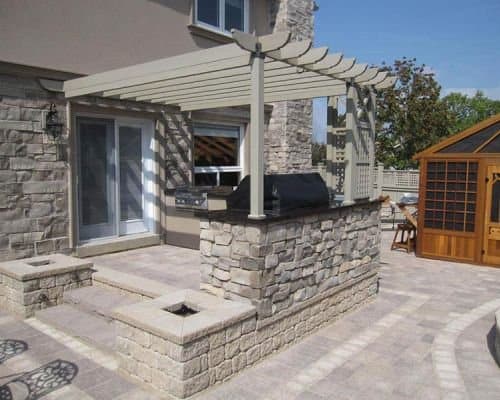
Hardscape choices also play a crucial role. Permeable pavers, recycled stone, and reclaimed wood not only reduce runoff but add character and durability to outdoor spaces. These materials allow water to infiltrate naturally, easing the strain on stormwater systems and keeping landscapes vibrant even during heavy rains. Integrating such eco-conscious features ensures the yard remains functional, attractive, and environmentally responsible over time.
Water management features are increasingly central to Toronto yard transformations. Rain gardens capture runoff, allowing excess water to soak into the ground while preventing erosion. Smart irrigation systems adjust watering schedules based on real-time weather data and soil conditions, conserving water without sacrificing lushness. These elements work together to create resilient landscapes that stay green with less resource waste and support ecological balance.
Creating zones for outdoor living—like lounging areas, dining spaces, and vegetable beds—can be done thoughtfully with sustainability in mind. Using native plants in mulched beds and natural pathways reduces watering needs and simplifies upkeep. Raised beds and mulch pathways help control moisture and weed growth, making maintenance easier and more efficient, all while enhancing the visual appeal.
Modern features such as solar-powered lighting and rainwater harvesting systems elevate the sustainability quotient without sacrificing style. Solar lights add ambiance while consuming no energy, and rain barrels collect water for future use. These integrated features demonstrate how innovative technologies can seamlessly blend into the landscape, offering functionality and eco-friendliness in one package.
Designing for long-term durability involves choosing eco-friendly materials that withstand Toronto’s weather. Reclaimed wood, recycled stone, and biodegradable mulches not only reduce environmental impact but also develop a charming patina over time. These materials often outperform conventional options, resisting weather and wear, and reinforcing the overall resilience of the landscape.
Bringing these principles together requires careful planning and execution. Our approach at Toronto Landscape Design ensures that every project balances beauty, sustainability, and client preferences. From initial design to seamless installation, we focus on creating outdoor spaces that are visually stunning, environmentally responsible, and tailored to each homeowner’s vision. This way, transforming yards into vibrant retreats becomes a process that’s as rewarding as the final result.

Pioneering the Future: Emerging Trends and Challenges in Toronto’s Sustainable Landscaping
Looking ahead, Toronto’s sustainable landscaping scene is set to evolve through innovative technology and broader community engagement. Advanced smart irrigation systems are becoming smarter, adjusting watering schedules in real-time based on weather forecasts and soil moisture levels. This not only conserves water but also simplifies yard maintenance, making eco-friendly practices more accessible to homeowners. Meanwhile, eco-conscious materials like recycled aggregates, biodegradable hardscapes, and reclaimed wood are gaining popularity, reducing environmental footprints and enhancing durability even in Toronto’s unpredictable climate.
Community-led efforts are also shaping the future. Initiatives such as urban greening projects, native plant corridors, and biodiversity parks are transforming neighborhoods into ecological hubs. These projects demonstrate a shift toward integrating environmental responsibility into urban planning, turning private yards into vital components of Toronto’s larger ecosystem. As these movements grow, they help expand the city’s green infrastructure, promoting a resilient and vibrant outdoor environment for all residents.
However, challenges remain. Rising costs for sustainable materials and cutting-edge technology could slow adoption, especially for those on tighter budgets. Regulatory hurdles and outdated building codes sometimes hinder the implementation of innovative, eco-friendly designs. Additionally, many residents are still unfamiliar with native plants or water-smart features, which can limit their willingness to embrace these solutions. Overcoming these obstacles requires ongoing education, clearer policies, and accessible resources to foster wider acceptance and understanding.
Looking further ahead, advancements like biodegradable plant containers, low-impact fertilizers, and energy-efficient outdoor appliances are set to become standard. The integration of renewable energy sources—such as solar-powered water features and lighting—will make outdoor spaces more self-sufficient and eco-friendly. These innovations will not only enhance aesthetic appeal but also support climate resilience, ensuring outdoor environments remain both beautiful and sustainable amid Toronto’s changing climate.
As the industry continues to innovate, collaboration will become even more crucial. Landscape architects, environmental scientists, and urban planners will work together to develop solutions that prioritize both beauty and ecological health. This holistic approach will help create outdoor spaces that are not just visually stunning but also capable of supporting local ecosystems and withstanding climate extremes. Embracing these trends and fostering innovation will position Toronto’s outdoor environments as models of sustainable urban living for years to come.