Cleopatra VII is often remembered for her beauty and charisma, but her true legacy lies in her remarkable intellect, strategic mastery, and resilience. How did a ruler from a Macedonian-Greek background maintain her independence amid the rising power of Rome? Through mastery of multiple languages, support for scholarly pursuits, and diplomatic finesse, she transformed Alexandria into a hub of knowledge and influence. Her ability to read her political landscape, forge strategic alliances, and adapt culturally reveals that genuine power is rooted in intelligence, cultural literacy, and emotional insight. Cleopatra’s leadership was a seamless blend of Greek tactical thinking and Egyptian spiritual tradition, allowing her to navigate turbulent times with resilience and wisdom. Her legacy challenges modern notions of influence, emphasizing that lasting leadership depends on mental agility, continuous learning, and moral strength—traits that made her not just a legendary beauty, but a formidable ruler whose impact endures. Could her real power be the strength of her mind?
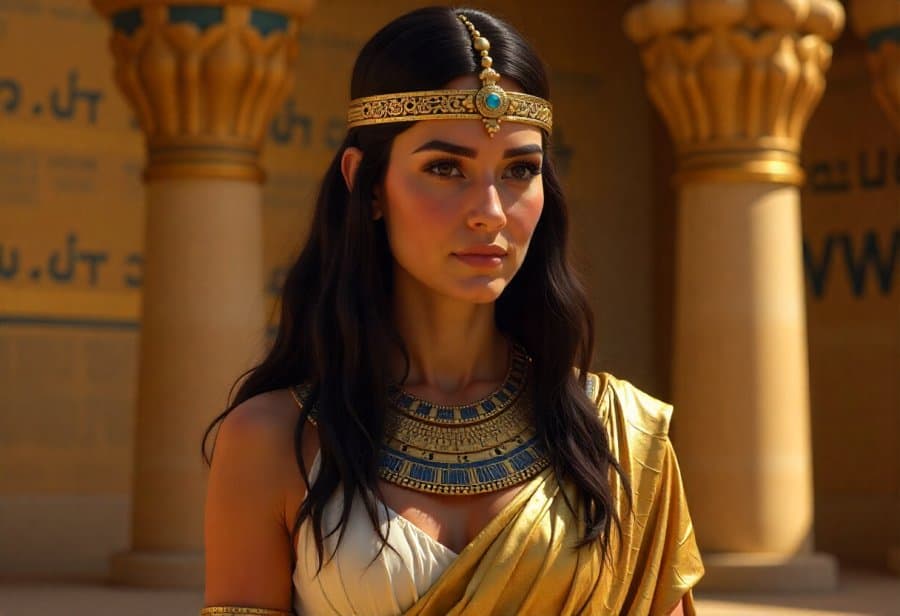
The Power of the Mind: Cleopatra’s Intellectual Mastery
Cleopatra VII is often remembered for her beauty and charisma, but her true strength was rooted in her mind. She was a ruler who understood that influence came from intelligence, strategy, and resilience—qualities that helped her navigate one of the most turbulent periods in Egyptian history. Her ability to speak multiple languages, her scholarly interests, and her mastery of diplomacy made her a formidable figure not just in Egypt, but across the ancient world.
Cleopatra knew that her power stemmed from her intellect and political skill, not just her appearance. Throughout her reign, she demonstrated a keen sense of timing and a strategic mind. She was more than a figurehead; she was a master diplomat who used persuasion and negotiation to forge alliances that protected her kingdom’s independence. Her relationships with Julius Caesar and Mark Antony were carefully calculated moves, based on mutual benefit rather than vanity.
What sets Cleopatra apart is her deep commitment to knowledge. Her support for the Library of Alexandria and her own scholarly pursuits reflect a leader who valued wisdom as a key tool of governance. She believed that education and cultural exchange were essential for maintaining her authority and staying ahead in a world where power was constantly shifting.
Navigating complex political landscapes required more than just smarts; it demanded intuition and adaptability. Cleopatra was adept at reading her allies and enemies alike, adjusting her tactics as needed. Her ability to assess situations accurately and respond with diplomacy made her a master strategist, capable of maintaining her influence despite external threats and internal dissent.
Her leadership style combined Greek tactical thinking with Egyptian traditions, creating a unique approach that emphasized both intellect and cultural sensitivity. She borrowed from Macedonian military and diplomatic practices but also honored her land’s spiritual and cultural roots. This synthesis made her a versatile leader, able to adapt to changing circumstances while reinforcing her legitimacy through both political and spiritual authority.
Ultimately, Cleopatra’s story reminds us that true leadership is rooted in the mind. Her legacy shows that influence and power are more about strategic thinking, resilience, and cultural literacy than superficial charm. Her ability to use her intelligence to navigate the complexities of her world leaves a lasting lesson: the greatest leaders are those who master their minds and understand the art of influence.
Heritage and Geopolitical Challenges: The Context of a Turbulent Reign
Cleopatra VII was born around 69 BCE into the Ptolemaic dynasty, a Greek family that came to power in Egypt after Alexander the Great’s empire fractured. Her heritage was a blend of Macedonian Greek roots and Egyptian traditions, placing her at a crossroads of cultures that shaped her worldview. Growing up in a turbulent environment, with internal family struggles and shifting alliances, she quickly learned the importance of political survival and the delicate art of navigating power.
Her reign unfolded during a time of intense geopolitical upheaval. Egypt, once a mighty empire, was now a fragile kingdom caught between Rome’s expanding influence and regional rivals. The Ptolemies aimed to maintain their independence, but Rome’s rising dominance threatened to overshadow their authority. Cleopatra inherited a territory besieged by external pressures and internal dissent, forcing her to develop a keen sense of diplomacy and resilience.
Despite her Macedonian Greek roots, Cleopatra embraced Egyptian customs and religious practices, positioning herself as both a Hellenistic monarch and a divine ruler rooted in Egyptian spirituality. This dual identity helped her secure loyalty from a diverse population and reinforced her legitimacy as a leader who respected her land’s traditions. She understood that blending these identities was essential to maintaining stability and authority.
Her intellectual pursuits set her apart. Fluent in Egyptian, Greek, Latin, and several other languages, Cleopatra was a master of communication. This linguistic prowess allowed her to engage directly with influential leaders and scholars across the Mediterranean, giving her a strategic advantage in diplomacy and negotiation. Her love of learning and support for the Library of Alexandria underscored her belief that wisdom and cultural exchange were vital tools of governance.
Cleopatra’s diplomatic approach was rooted in her understanding of power and tradition. Rather than relying solely on military strength, she used persuasion, strategic marriages, and cultural diplomacy to forge alliances. Her relationships with Julius Caesar and Mark Antony were carefully calculated moves designed to protect Egypt’s independence in a rapidly changing world.
Egypt’s political landscape was deeply intertwined with its religious and cultural identity. Cleopatra aligned herself with gods like Isis, reinforcing her divine authority and spiritual legitimacy. She saw her role as both a political leader and a spiritual figure, embodying principles of Ma’at—truth, balance, and order—strengthening loyalty during turbulent times.
Her leadership style combined Greek tactical thinking with Egyptian cultural values, creating a versatile approach that allowed her to adapt and thrive. By honoring her land’s spiritual roots while employing strategic innovation, Cleopatra navigated shifting alliances and external threats with resilience. This synthesis of traditions and tactics left a lasting mark on history, illustrating the power of cultural literacy and adaptability in leadership.
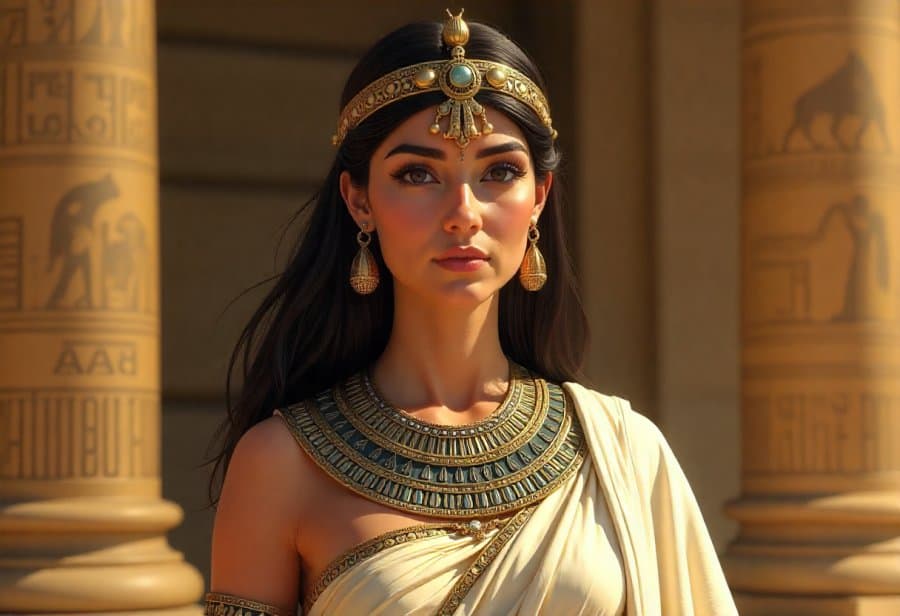
Mastermind of Leadership: Cleopatra’s Intellectual and Diplomatic Genius
Cleopatra’s intelligence was the cornerstone of her leadership and her ability to thrive amid chaos. She was highly educated, fluent in Egyptian, Greek, Latin, and several other languages, which gave her a rare advantage in diplomacy and negotiation. Being able to communicate directly with a wide array of allies, rivals, and scholars allowed her to craft nuanced strategies without relying heavily on intermediaries. This linguistic mastery wasn’t just a personal achievement; it was a strategic tool that helped her build alliances and assert influence across the Mediterranean.
Her interests extended well beyond language. Cleopatra deeply supported science, philosophy, and the arts, transforming Alexandria into a vibrant hub of knowledge and innovation. Her patronage of the Library of Alexandria underscored her belief that wisdom and education were essential to her survival as a ruler. She viewed knowledge as a practical asset—something she could leverage to outthink her opponents and shape diplomatic outcomes to her advantage.
Navigating Egypt’s complex political scene required more than raw intelligence; it demanded sharp strategic insight and keen intuition. Cleopatra excelled at reading her environment, understanding her allies’ and enemies’ motives, and adjusting her tactics accordingly. Her ability to assess situations quickly and respond with diplomacy and cultural sensitivity made her a master strategist who could forge alliances that preserved Egypt’s independence, even when facing external threats.
Her understanding of Egyptian traditions and spiritual authority complemented her political shrewdness. By aligning herself with gods like Isis, she reinforced her divine legitimacy, which bolstered her influence among her subjects. This cultural and spiritual awareness allowed her to foster loyalty and stability, even during times of upheaval, blending her political acumen with a deep respect for her land’s religious roots.
Her leadership style was a seamless integration of Greek tactical thinking and Egyptian cultural values. She borrowed military and diplomatic practices from her Macedonian heritage while honoring her land’s spiritual traditions. This synthesis made her adaptable and resilient, capable of navigating shifting alliances and external pressures with finesse. Her ability to merge different worlds was key to her enduring influence and effectiveness.
Cleopatra’s story reminds us that true leadership hinges on mental agility. Her mastery of languages, her support for scholarship, and her strategic insights all contributed to her lasting impact. She understood that influence is rooted in knowledge, resilience, and cultural literacy—traits that remain vital for modern leaders. Her legacy shows that the greatest power comes from the mind’s ability to think ahead, adapt, and inspire loyalty through wisdom.
Legacy of Wisdom: Influence and Inspiration for Modern Leaders
Cleopatra’s influence reaches far beyond her own era, offering lessons that still resonate in contemporary leadership thought. Her ability to blend deep cultural understanding with strategic diplomacy exemplifies a leadership style rooted in intelligence, adaptability, and emotional insight. Modern leaders can draw inspiration from her example by recognizing that true influence isn’t solely about authority or charisma but about the capacity to think critically, assess situations accurately, and respond with nuance.
Her legacy underscores resilience as a core trait of effective leadership. Cleopatra faced relentless external pressures and internal upheavals, yet her ability to adapt and persevere highlights the importance of mental toughness. She demonstrated that setbacks are opportunities for recalibration, and resilience often determines whether a leader can sustain influence over time. This toughness, combined with strategic flexibility, allowed her to protect her kingdom’s independence amid chaos.
Cultural literacy and a commitment to ongoing learning are central themes in her story. Cleopatra’s support for the Library of Alexandria and her own scholarly pursuits show a leader who understood that knowledge is a powerful tool. Today’s leaders who prioritize continuous education and cultural exchange can foster more innovative, informed decision-making and build trust across diverse audiences—just as Cleopatra did in her time.
Her ability to integrate Greek tactical thinking with Egyptian spiritual and cultural traditions created a leadership model that was both versatile and resilient. This synthesis of different worlds allowed her to navigate shifting alliances and external threats while maintaining legitimacy. Modern leadership increasingly values this kind of inclusivity and adaptability, recognizing that embracing diversity and tradition can enhance long-term stability and influence.
Cleopatra’s story challenges the misconception that influence is rooted in superficial charm or appearance. Instead, her legacy proves that genuine power springs from intelligence, strategic foresight, and moral strength. These qualities helped her inspire loyalty and command respect in a turbulent world—traits that remain relevant for leaders today seeking lasting impact.
In the end, Cleopatra’s true legacy is a testament to the power of the mind. Her mastery of influence through knowledge, resilience, and strategic thinking reminds us that the most enduring leaders are those who cultivate their mental agility. Her life encourages modern leaders to prioritize continuous learning, emotional intelligence, and adaptability—traits that can shape history just as profoundly as any conquest.
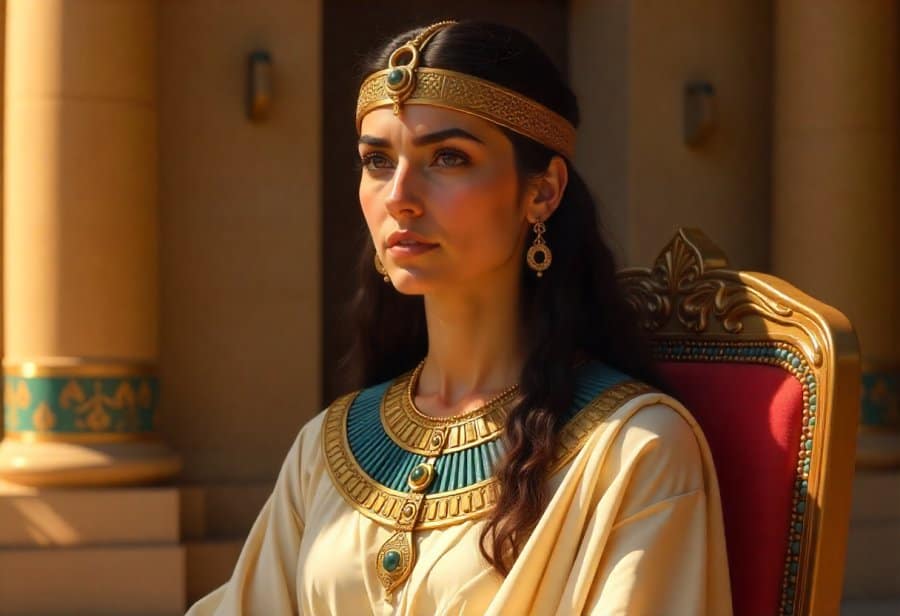
Beyond Beauty: Cleopatra’s Enduring True Legacy of Intelligence and Strategy
Cleopatra’s legacy goes far beyond her legendary beauty or her romantic stories; it is rooted in her extraordinary intellect and strategic mastery. She proved that true power lies in wisdom, diplomacy, and resilience—traits that enabled her to guide Egypt through its most turbulent times. Her ability to understand complex political landscapes, cultural nuances, and human nature allowed her to maintain influence despite external threats and internal upheavals.
Her leadership was built on a foundation of continuous learning and cultural literacy. By speaking multiple languages and supporting the Library of Alexandria, Cleopatra demonstrated that knowledge is a vital tool of governance. This commitment to scholarship strengthened her capacity to forge alliances, negotiate effectively, and adapt to shifting circumstances. Her influence was as much a product of her mental agility as her political authority.
Resilience defined Cleopatra’s reign. Facing relentless external pressures and internal dissent, she repeatedly adjusted her tactics, staying focused on her long-term goals. Her ability to rebound from setbacks and remain adaptable underscores a leadership style rooted in mental toughness and strategic thinking. This resilience allowed her to protect Egypt’s independence and preserve her legacy amid chaos.
Cleopatra’s story also challenges the misconception that influence is superficial or based solely on charm. Her power emerged from her intelligence, moral strength, and cultural awareness—traits that inspired loyalty and command respect. Her mastery of influence through wisdom and insight remains a timeless lesson for modern leaders navigating complex environments.
In the end, Cleopatra’s true legacy is a testament to the power of the mind. Her mastery of influence through knowledge, resilience, and strategic foresight shows that authentic leadership is about cultivating mental agility. Her life encourages today’s leaders to prioritize continuous learning, emotional intelligence, and adaptability—traits that can shape history as profoundly as any conquest.