In an era where seamless and reliable communication determines competitive edge, the evolution of business phone services is reshaping how organizations connect, collaborate, and grow. From traditional landlines to sophisticated VoIP systems, companies now harness advanced features like auto-attendants, mobile integration, and robust security measures to project professionalism and enhance responsiveness. But as technology accelerates, the question arises: is this digital transformation merely a technological upgrade, or is it fundamentally redefining success itself? Future trends like 5G, artificial intelligence, and integrated ecosystems promise even greater agility, security, and environmental responsibility. This shift isn’t just about faster calls—it’s about fostering resilient, scalable, and smarter communication networks that empower organizations to navigate a rapidly changing landscape. Are your communication strategies prepared to meet this new frontier, or will you be left behind in the race for connection and influence?
Transform Your Business Communications with FiberConX’s Reliable SIP Phone Services
Elevate your Canadian business communications with FiberConX Communications, a leading provider of VoIP and IP business phone solutions. Our sip phone services offer advanced features including voicemail, IVR, ring groups, and voicemail-to-mail, ensuring seamless connectivity and professional interaction with your clients. Whether you’re expanding your team or optimizing your existing setup, FiberConX has the scalable infrastructure to meet your needs. Reach out to our experts at [email protected] or call 1.416.945.9210 to learn more about how our VoIP services can enhance your business efficiency and customer experience across Canada.

Harnessing the Power of Modern Business Communication Technologies
In today’s fast-moving business environment, clear and reliable communication isn’t just a convenience—it’s essential for success. Companies depend on a range of tools and systems to stay connected with customers, partners, and team members. Over the years, these tools have transformed from basic landline phones into sophisticated digital platforms that support remote work, quick decision-making, and seamless collaboration. This evolution reflects a broader shift toward more flexible, efficient, and secure ways to stay connected.
In the past, landline phones were the standard for business communication, offering dependable voice calls but lacking adaptability. As internet technology advanced, organizations turned to internet-based solutions like Voice over Internet Protocol (VoIP). These systems convert voice into digital data that travels over the internet, drastically reducing costs and enabling greater flexibility. This shift didn’t just upgrade technology; it fundamentally changed how businesses connect internally and externally, opening doors to new features and capabilities.
Modern communication systems now support a variety of tools designed to enhance professionalism and responsiveness. Auto-attendants greet callers with polished messages and direct them to the right department, creating a better customer experience. Call routing ensures that each call reaches the appropriate person quickly, based on caller needs or time of day. These features streamline operations, reduce wait times, and project a more professional image, helping companies stand out in competitive markets.
Cloud-based platforms have made scaling and resilience easier than ever. As businesses grow, adding new users or features is straightforward and manageable through online dashboards. These systems also support automatic rerouting of calls if hardware fails or disasters strike, ensuring continuous communication. This reliability is critical in maintaining customer trust and operational continuity, even during unexpected disruptions.
Security has become a vital aspect of contemporary business communication. Features like encryption, call recording, and compliance tools protect sensitive information and help meet regulatory standards. With cyber threats growing more sophisticated, these security measures enable organizations to safeguard data without sacrificing accessibility or efficiency, building confidence among clients and employees alike.
The shift from traditional landlines to internet-based platforms marks a significant milestone in how organizations stay connected. It’s about more than technology; it’s about creating resilient, scalable, and secure communication channels that adapt to changing needs. These advancements support the broader goal of building stronger, more connected organizations capable of navigating today’s dynamic marketplace.
From Landlines to Digital: The Evolution of Business Phone Services
The way businesses communicate has seen a dramatic transformation over the past few decades. For much of the 20th century, landline phones were the primary method for making voice calls, offering a straightforward and reliable connection. These systems relied on copper wires and provided a dependable means to stay connected, but they lacked the flexibility to support the evolving needs of modern workplaces. As technology advanced, organizations began exploring internet-based solutions, leading to the rise of Voice over Internet Protocol (VoIP).
VoIP revolutionized business communication by converting voice signals into digital data that travels over the internet. This shift drastically reduced call costs and allowed for greater scalability, making it easier for businesses to expand their communication networks without hefty infrastructure investments. Unlike traditional landlines, VoIP systems are not physically tied to a single location, enabling remote work and international collaborations to flourish.
Beyond cost savings, internet-based platforms introduced a suite of advanced features that enhanced professionalism and efficiency. Auto-attendants, for instance, serve as virtual receptionists, greeting callers and directing them to the right department automatically. Call forwarding, voicemail-to-email, and detailed analytics provided businesses with tools to respond faster, improve service quality, and project a more polished image to clients.
The transition to digital communication also improved resilience. Traditional landline systems are vulnerable to hardware failures or natural disasters, which can cause significant disruptions. Cloud-based VoIP solutions store data remotely and support automatic rerouting of calls if local hardware goes down, ensuring uninterrupted service. This reliability is crucial for maintaining customer trust and operational continuity in today’s competitive environment.
Security concerns grew alongside these technological advancements. Modern internet-based systems incorporate encryption, call recording, and compliance features to protect sensitive data and meet industry standards. These tools help organizations safeguard their communications against cyber threats while maintaining easy access and high availability. This balance of security and accessibility is vital for organizations handling confidential information.
The move from landlines to internet-based communication platforms marks a fundamental shift in how businesses operate. It’s no longer just about making calls—it’s about creating flexible, scalable, and secure networks that adapt to rapid change. This evolution supports a broader trend toward digital transformation, empowering organizations to connect more seamlessly than ever before.
By embracing these new platforms, companies can unlock significant advantages. They can scale their communication systems effortlessly, respond swiftly to customer needs, and build a more resilient infrastructure capable of weathering disruptions. The transition from traditional to modern systems isn’t just a technological upgrade; it’s a strategic move toward greater agility, professionalism, and long-term growth.

Unlocking Efficiency with Key Features of Modern Business Phone Systems
Modern business phone systems are packed with features designed to make communication more efficient and user-friendly. One of the standout tools is the auto-attendant, which functions like a virtual receptionist. It greets callers with a professional message and automatically directs them to the appropriate department or individual, reducing wait times and creating a polished impression. Call routing complements this by ensuring each call reaches the right person based on criteria like caller needs, time of day, or staff availability, streamlining the customer experience.
Mobile integration has transformed how teams stay connected. Employees can make and receive calls from their smartphones using dedicated apps, whether they’re in the office or working remotely. Features like call forwarding, voicemail-to-email, and instant notifications keep communication seamless and accessible. This mobility supports flexible work arrangements, allowing team members to respond quickly and stay engaged with clients and colleagues wherever they are.
Advanced call management tools, such as conference calling and detailed analytics, further boost efficiency. Conference features facilitate effortless meetings, while analytics provide insights into call performance, helping teams identify areas for improvement. Customizable greetings and messages allow businesses to tailor auto-attendant prompts for different times or occasions, reinforcing their brand identity and providing a consistent customer experience.
Security features have become an integral part of modern systems. Encryption protects calls and data from unauthorized access, while call recording supports quality assurance and regulatory compliance. These tools are essential for safeguarding sensitive information, especially as cyber threats grow more sophisticated. User-friendly interfaces make system administration straightforward, enabling managers to add users, set permissions, and customize features without requiring extensive technical expertise.
All these features work together to elevate a business’s communication capabilities. They go beyond basic connectivity, supporting professionalism, responsiveness, and growth. By automating routine tasks and offering flexible, secure options, modern phone systems help organizations stay connected and competitive in today’s fast-paced, digital landscape.
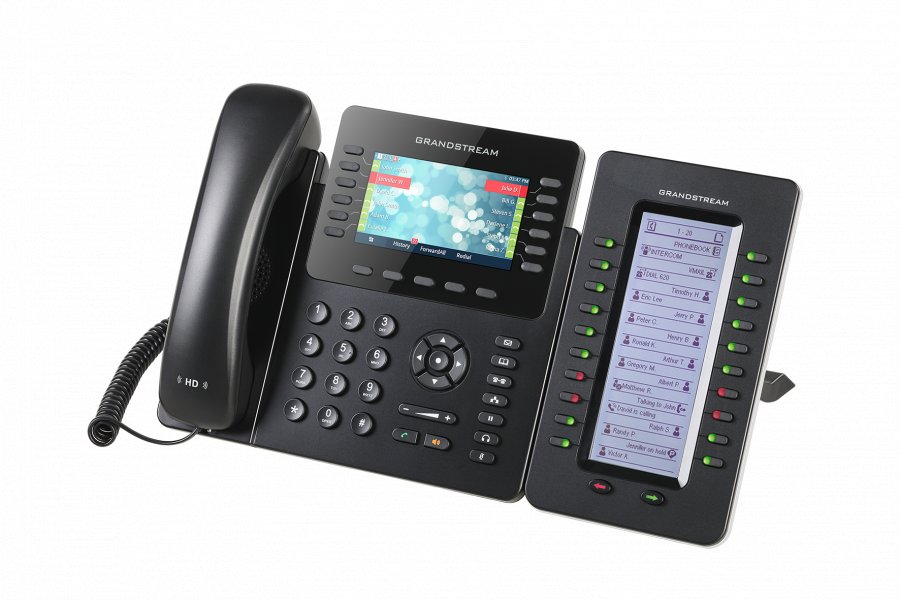
As businesses continue to evolve, upgrading to advanced hardware like a SIP phone can significantly enhance call quality and reliability. For those interested in exploring modern solutions, learning more about options such as a sip phone can help organizations select the best equipment to meet their communication needs.
Strategic Steps to Implement and Maximize Your Business Communication System
Implementing a modern business phone system starts with a clear understanding of your organization’s specific needs. Identify the key features that will support your operations, whether that’s mobile access, auto-attendants, or detailed analytics. Choosing a provider that offers scalable, secure, cloud-based solutions is essential so your system can grow alongside your business. Engaging stakeholders early in the process ensures the system addresses diverse departmental requirements, making the transition smoother and more effective.
A phased rollout makes the transition less disruptive. Starting with a small pilot group allows you to test the system in real-world conditions, gather feedback, and address issues before full deployment. This approach minimizes downtime and builds confidence among staff. Providing thorough training and easy-to-follow resources helps employees adopt new features quickly, maximizing the benefits from day one.
Communication during implementation is crucial. Keep everyone informed about progress, upcoming changes, and how the new system will impact their daily workflows. Transparency fosters trust and reduces resistance. Encouraging ongoing feedback helps your IT team fine-tune the setup, resolve unforeseen issues, and improve user experience. A collaborative approach ensures the system effectively meets your organization’s evolving needs.
Prioritize security from the start. Select solutions with built-in encryption, call recording, and compliance tools to safeguard sensitive information. Conduct thorough testing of these security features before going live to identify vulnerabilities. Establish clear policies for data handling and user access, reinforcing your security posture. This proactive stance protects your organization against cyber threats and ensures regulatory compliance, giving both your team and clients confidence in your communications.
Regular evaluation and updates keep your system aligned with your business growth and technological advances. Schedule periodic reviews to assess whether current features meet your needs and explore new capabilities offered by your provider. Staying proactive allows you to adapt quickly, ensuring your communication channels remain resilient, secure, and efficient. Thoughtful implementation transforms your new system into a strategic asset that enhances professionalism, customer satisfaction, and long-term success.

Gazing Into the Future: Trends and Innovations in Business Communication
The future of business communication is set to be transformed by rapid technological advancements that will make connectivity more seamless and intelligent than ever before. The rollout of 5G networks promises faster, more reliable connections, supporting high-quality video calls and real-time data sharing across borders and devices. This will empower teams to collaborate effortlessly, reducing lag and dropped calls, and enabling more dynamic workflows. Simultaneously, artificial intelligence and machine learning are beginning to automate routine tasks like call routing, voicemail management, and even customer interactions, freeing up human resources for more strategic work.
As remote and hybrid work models become the norm, communication tools will need to evolve further to meet new demands. Cloud-based platforms will continue to enhance security, flexibility, and integration, helping organizations maintain strong, reliable connections regardless of where employees are located. Advanced security features—such as encryption, proactive threat detection, and compliance tools—will become standard, addressing the rising sophistication of cyber threats and ensuring sensitive information remains protected. This focus on security will be crucial to maintaining trust and safeguarding corporate reputation.
Looking ahead, integrated platforms that combine communication, collaboration, and analytics into a single ecosystem are likely to dominate. These systems will streamline workflows by reducing the need for multiple apps, offering valuable insights into team performance and customer engagement. User interfaces will become smarter and more intuitive, simplifying onboarding and daily use, which will encourage broader adoption across organizations of all sizes. Such integrations will enable companies to adapt quickly to market shifts, remaining agile and competitive.
Sustainability will also influence future developments. Green data centers and energy-efficient infrastructure will become more widespread, reducing the environmental footprint of digital communication systems. This aligns with a broader push for corporate responsibility, where technological innovation goes hand-in-hand with sustainability goals. As eco-friendly solutions become the standard, organizations will be able to innovate without compromising their environmental commitments, reinforcing their role as responsible global players.
Beyond technological advances, the future of business communication will be about creating ecosystems that foster stronger relationships, faster responses, and greater resilience. Companies that embrace these innovations will be better positioned to navigate an increasingly digital world, building trust with customers and empowering employees. They will be able to respond swiftly to market changes, sustain growth, and stay ahead of competitors. The evolution isn’t just about faster tech—it’s about transforming how we connect, collaborate, and thrive in a rapidly changing business landscape.