Transforming Toronto yards into stunning outdoor retreats requires more than aesthetic appeal; it demands a careful balance of beauty, functionality, and sustainability. How can homeowners create lush, resilient spaces that thrive amid Toronto’s seasonal extremes and support local ecosystems? This guide explores innovative design principles—native plants, eco-friendly materials, stormwater management solutions, and energy-efficient features—that turn ordinary yards into vibrant sanctuaries. With thoughtful planning and eco-conscious practices, outdoor spaces become not just visually captivating but environmentally responsible, fostering biodiversity and reducing maintenance. As the industry evolves, future landscapes will incorporate smart technology, modular features, and durable, locally sourced materials, paving the way for sustainable, adaptable retreats. The question remains: can these eco-friendly innovations redefine how we experience outdoor living in Toronto, making each yard a personal haven and a testament to ecological harmony?
Transform Your Toronto Outdoor Space with Expert Landscape Design
Looking to enhance your outdoor living area in Toronto? Toronto Landscape & Design (TLD) offers exceptional services including natural stone installations, water gardens, irrigation systems, and retaining walls. Our award-winning designers prioritize every detail, ensuring your project reflects your unique style and needs. Whether you’re considering a complete backyard makeover or a subtle upgrade, TLD has the expertise to bring your vision to life. Our team collaborates closely with clients to create stunning, functional landscapes that stand the test of time. Reach out to us at [email protected] or call 1.416.644.0499 to start transforming your Toronto outdoor space today.
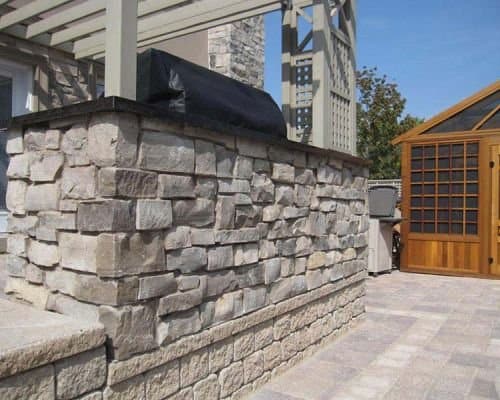
Transforming Toronto Yards into Stunning Outdoor Retreats
Transforming Toronto yards into stunning outdoor retreats goes beyond simply planting flowers or laying down pavers. It’s about creating spaces that enhance daily life, reflect personal style, and support the environment. With Toronto’s seasonal shifts and diverse neighborhoods, the challenge lies in designing outdoor areas that are both beautiful and resilient throughout the year. Achieving this balance requires thoughtful planning—considering climate, native plants, and sustainable materials—to craft spaces that are both eye-catching and practical.
A well-designed backyard isn’t just about aesthetics; it’s about functionality and adaptability. Whether homeowners dream of a peaceful garden or an inviting space for entertaining, understanding their specific needs helps shape a personalized plan. Clear communication from the outset ensures everyone’s expectations are aligned, making the project smoother from concept to completion. When design and installation work hand in hand, the result is a space that feels authentic and truly tailored.
In Toronto’s environment, sustainability isn’t just a trend—it’s a necessity. Incorporating eco-friendly features like native plants, permeable paving, and rain gardens not only enhances visual appeal but also supports local ecosystems. These elements help manage stormwater, lower resource consumption, and create habitats for pollinators—all while reducing ongoing maintenance and environmental impact. A landscape that embraces sustainability becomes a vibrant, resilient sanctuary that stands the test of time.
Creating outdoor retreats that last involves selecting durable materials suited to Toronto’s climate—weather-resistant woods, recycled pavers, and low-maintenance plants. Thoughtful placement of features allows natural light and airflow to optimize comfort, reducing the need for artificial cooling or heating. When design prioritizes longevity and resource efficiency, homeowners enjoy a beautiful, hassle-free outdoor space that remains inviting year after year.
Ultimately, the goal is to craft outdoor environments that are both visually stunning and environmentally responsible. By focusing on sustainable practices and clear communication, homeowners can enjoy spaces that enhance their lifestyle while supporting the broader community. When beauty and sustainability come together seamlessly, yards become more than just pretty landscapes—they become personal retreats that inspire pride, comfort, and a deep connection to the local environment.
Design Principles for Balancing Beauty and Sustainability
Creating outdoor spaces that are both beautiful and environmentally responsible starts with fundamental design principles that prioritize harmony with nature. Native plants are central to this approach; they thrive in Toronto’s climate, require less water, and need minimal chemical treatments. Choosing local species supports pollinators and creates lush, resilient gardens that flourish with less maintenance. This focus on native flora ensures the landscape remains vibrant and sustainable over time.
Eco-friendly materials also play a crucial role. Permeable paving options like recycled aggregates, porous concrete, or gravel allow stormwater to soak into the ground naturally, reducing runoff and erosion. These materials are durable enough to withstand Toronto’s seasonal extremes, making them a practical and environmentally conscious choice. Using recycled or reclaimed materials not only minimizes waste but also adds character and longevity to outdoor spaces.
Biodiversity enhances both aesthetic appeal and ecological health. Thoughtfully mixing native plants, flowering shrubs, and trees creates visual interest while providing habitats for bees, butterflies, and birds. Proper placement of shading trees and windbreaks can improve airflow and reduce cooling needs, lowering energy consumption. Features like rain gardens and bioswales turn stormwater management into attractive design elements that benefit the environment and the overall landscape.
Designing with longevity and resource efficiency in mind means selecting features that minimize ongoing effort. Installing rainwater harvesting systems, drip irrigation, and solar lighting reduces water and energy use while maintaining a lush appearance. Positioning plants strategically for seasonal changes ensures resilience and adaptability, helping yards stay beautiful throughout the year without excessive intervention.
Prioritizing low-maintenance practices is key to sustainable landscapes. Organic mulching, composting yard waste, and choosing drought-tolerant native plants support healthy soil and reduce the need for chemical fertilizers and frequent watering. These strategies foster a natural cycle that makes caring for the landscape easier and more environmentally friendly, ensuring it remains a thriving outdoor retreat.
When design principles emphasize both beauty and sustainability, outdoor spaces become more than just visually appealing—they turn into functional, eco-conscious sanctuaries. Every decision, from material selection to plant placement, should reinforce this harmony. This balanced approach results in landscapes that are resilient, low-impact, and capable of inspiring pride while respecting the local environment.
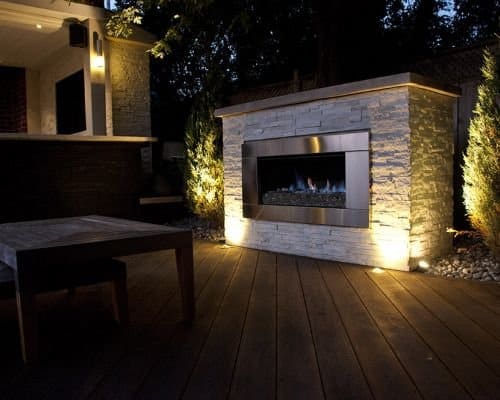
Integrating Eco-Friendly Practices in Outdoor Space Renovations
Integrating eco-friendly practices into outdoor space renovations involves making deliberate choices that reduce environmental impact at every stage. Starting with materials, reclaimed wood, recycled stone, and locally sourced products not only cut down on waste but also add character and durability to the landscape. Permeable paving options like porous concrete or recycled aggregates help manage stormwater naturally, preventing erosion and flooding—issues that Toronto’s heavy rains can exacerbate. These durable, eco-conscious materials withstand seasonal extremes and often require less maintenance over time, making them practical and sustainable.
Native plants are the backbone of responsible landscaping. Their natural adaptation to Toronto’s climate means they need less watering, fewer fertilizers, and minimal chemical treatments. This not only supports pollinators like bees and butterflies but also reduces chemical runoff into local waterways. Pairing native flora with smart irrigation systems, such as drip watering or rainwater harvesting, further conserves water and promotes healthier, more resilient gardens. These choices create landscapes that thrive with less intervention, aligning beauty with sustainability.
Stormwater management is critical in urban environments. Installing rain gardens, bioswales, or gravel-filled trenches enables excess water to soak into the ground instead of overwhelming storm drains. These features serve as both functional solutions and attractive design elements, turning rainwater into an environmental asset rather than a problem. Incorporating organic composting and organic fertilizers naturally enhances soil health, fostering vigorous plant growth without reliance on harmful chemicals. This approach nurtures a thriving ecosystem within the yard, supporting biodiversity and ecological balance.
Energy-efficient outdoor features are increasingly vital. Solar-powered lighting and low-voltage fixtures provide ambient illumination while minimizing energy use. Strategic placement of shade trees and windbreaks reduces the need for artificial cooling and heating, cutting energy bills and carbon emissions. These sustainable upgrades blend seamlessly with the landscape, elevating its visual appeal without compromising on eco-responsibility. They help create outdoor retreats that are both inviting and environmentally conscious.
Long-term sustainability hinges on thoughtful planning and routine care. Organic mulching, yard waste composting, and selecting drought-tolerant native plants foster a natural, low-maintenance cycle that minimizes chemical use and water waste. These practices support healthy soil and resilient plants, ensuring the landscape remains lush and vibrant through Toronto’s seasonal changes. By embedding sustainability into every aspect, homeowners can enjoy an outdoor space that’s beautiful, functional, and respectful of the environment.
Incorporating eco-friendly practices isn’t just a trend—it’s a vital part of responsible outdoor renovation. Every decision, from material choice to water and energy management, contributes to a landscape that benefits both the environment and its owners. When these practices are integrated thoughtfully, the result is a sustainable, beautiful outdoor retreat that stands the test of time while supporting Toronto’s local ecosystems.
Practical Applications of Sustainable and Aesthetic Landscaping
Toronto’s landscape transformations showcase how blending sustainability with visual appeal can turn ordinary yards into stunning outdoor retreats. One notable project combined native plant gardens with permeable paving, creating a lush, eco-friendly space that supports local biodiversity while effectively managing stormwater. The native plants flourished in Toronto’s climate, requiring minimal watering and upkeep, which helped homeowners save time and resources. Meanwhile, the permeable pavers not only added a sleek, modern touch but also prevented runoff during heavy rains, reducing erosion and flooding risks.
Another inspiring example features a backyard turned tranquil oasis, where a sleek water feature and energy-efficient LED lighting create a calming ambiance. Solar-powered fixtures illuminate the space at night without increasing energy consumption, demonstrating how eco-friendly features can enhance beauty and functionality. The natural elements, carefully integrated into the design, made the yard more inviting and versatile for evening gatherings, proving that sustainability can serve as a focal point rather than an afterthought.
Some homeowners have embraced eco-conscious outdoor kitchens, blending durable reclaimed materials with native plants and drought-tolerant grasses. This approach minimizes water and energy use while establishing a seamless connection with nature. Incorporating rain gardens and bioswales to handle stormwater not only improves environmental performance but also adds visual interest. These features turn stormwater management into design elements that elevate the overall aesthetic, creating spaces perfect for daily use and special occasions alike.
Landscapes that use native shrubbery and low-maintenance grasses for privacy screens attract pollinators and wildlife, transforming yards into lively sanctuaries. Strategic placement of trees and flowering plants offers natural barriers and shade, reducing reliance on fences and air conditioning. These gardens become vibrant ecosystems, fostering biodiversity and offering peaceful retreats for homeowners. Their beauty and ecological benefits demonstrate how eco-friendly choices can produce results that are both functional and visually captivating.
The use of durable, eco-conscious materials like recycled stone and weather-resistant wood has also made a significant impact. These finishes withstand Toronto’s harsh winters and humid summers, minimizing repairs and replacements over time. Paired with native planting schemes, they create cohesive landscapes that are easy to maintain and resilient against seasonal changes. This combination underscores that eco-responsible design choices can elevate style without sacrificing durability or practicality.
Some homeowners have installed rainwater harvesting systems to irrigate their gardens, reducing dependence on municipal water supplies. When paired with drought-tolerant native plants, these landscapes stay lush even during Toronto’s dry spells. This resource-efficient approach proves that beauty and responsibility go hand in hand, producing outdoor spaces that are both vibrant and sustainable.
These examples highlight how thoughtful planning and eco-friendly practices can transform yards into lively, sustainable retreats. From native plants and permeable paving to water and energy-efficient features, each project demonstrates that sustainability and aesthetics can coexist seamlessly. They serve as practical inspiration for homeowners eager to reimagine their outdoor spaces—spaces that are beautiful, functional, and respectful of Toronto’s environment.

Looking Ahead: The Future of Toronto Landscape Design
Looking ahead, Toronto’s landscape design scene is set to embrace innovation and a deeper commitment to sustainability. As homeowners grow more conscious of environmental impacts, the industry is shifting toward materials and practices that support long-term ecological health. Recycled composites, biodegradable fabrics, and eco-friendly finishes are becoming standard, helping to reduce waste and lower carbon footprints. These choices not only enhance aesthetic appeal but also build resilience, ensuring landscapes can withstand Toronto’s seasonal extremes with less effort.
Smart technology is increasingly making its way into outdoor spaces, transforming maintenance routines and resource management. Automated irrigation systems powered by solar energy, motion-activated lighting, and weather-responsive features are gaining popularity. These tools help homeowners conserve water and energy while maintaining inviting, functional yards. As these innovations become more accessible, outdoor retreats will evolve into truly smart, eco-conscious environments that require less effort and cost over time.
Design strategies will continue to prioritize climate resilience, with native plants and drought-tolerant species taking center stage. These plants are naturally suited to Toronto’s changing weather patterns, requiring fewer resources and chemicals. Landscape architects are focusing on creating lush, sustainable gardens that handle seasonal extremes with ease, reducing the need for ongoing intervention. This approach keeps outdoor spaces vibrant year-round and minimizes maintenance, aligning beauty with ecological responsibility.
Modular, adaptable features will become more common, allowing homeowners to easily upgrade or reconfigure their landscapes as lifestyles evolve. Removable planters, multi-use zones, and flexible seating arrangements promote long-term versatility. This strategy reduces waste, encourages creative expression, and supports resilient landscapes that can adapt to changing needs while maintaining their environmental integrity.
Finally, the integration of digital tools and data-driven insights will refine landscape planning and care. From soil health analysis using GIS mapping to software that predicts plant growth, technology will help optimize resource use and extend landscape longevity. With a focus on durable, locally sourced materials like reclaimed wood and weather-resistant composites, future landscapes will blend durability, style, and sustainability seamlessly. As Toronto’s outdoor spaces continue to evolve, they will reflect a future where beauty and environmental responsibility go hand in hand, creating outdoor retreats that are not only stunning but also responsible and resilient for generations to come.