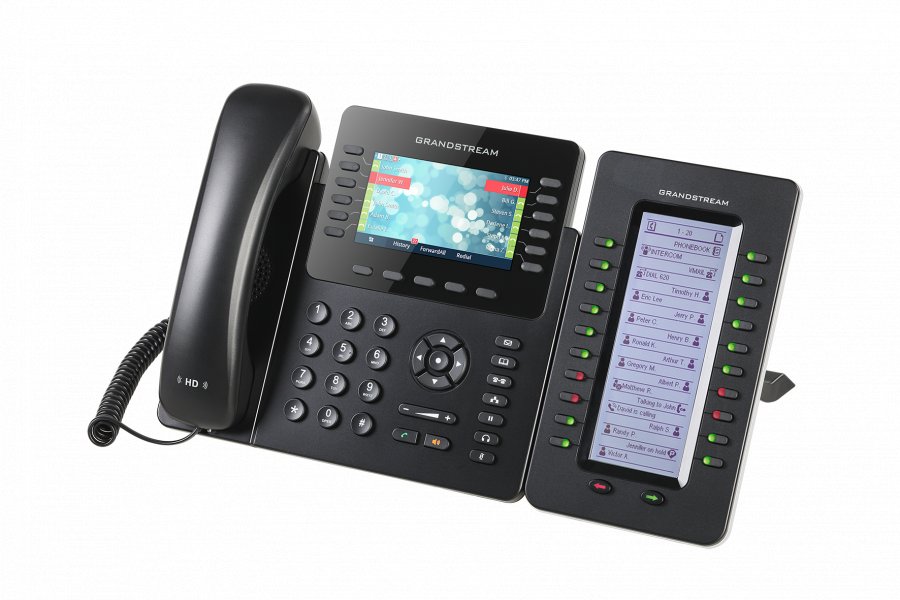
In a world where effective communication drives success, how can businesses harness innovative telephony solutions to transform their networks? Grandstream’s cutting-edge devices, especially the versatile GRP series IP phones, promise seamless scalability and simplified deployment—yet, will they meet the complex demands of modern organizations? With cloud management platforms like GDMS, enterprises gain unprecedented control, configuring and monitoring thousands of devices remotely. This level of oversight reduces support costs and accelerates growth, but does technology truly replace on-site support? Grandstream’s high-definition audio, video conferencing, and network optimization features ensure professional interactions remain uninterrupted, even amid network congestion. As remote and hybrid work reshape communication needs, these solutions offer resilience and security through encryption and compliance. Could investing in such adaptable, future-proof systems be the key to staying competitive—and how quickly can your organization leverage this technology to elevate collaboration and customer engagement?
Unlock Seamless VoIP Solutions with FiberConX Communications in Canada
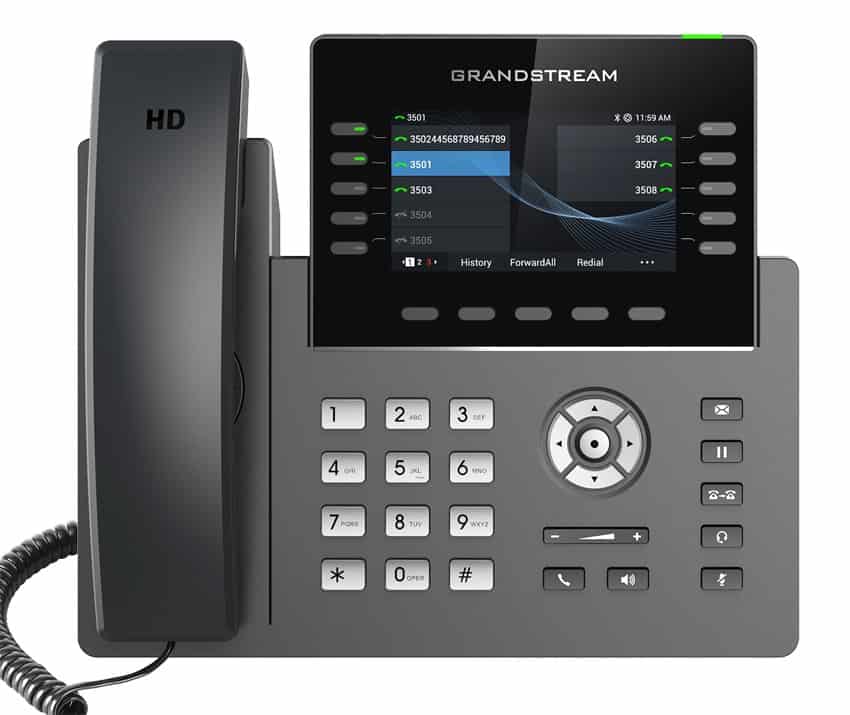
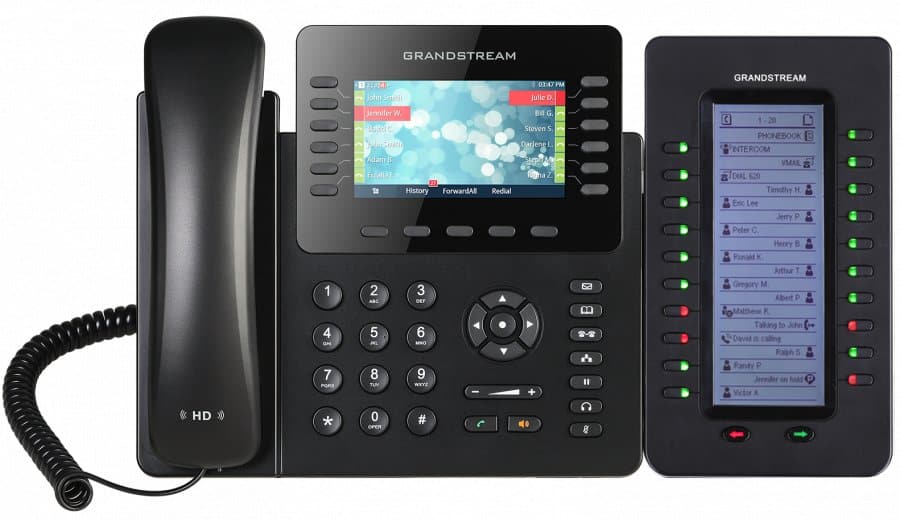
FiberConX Communications offers top-tier VoIP and IP business phone services tailored for Canadian businesses. Enhance your communication system with features like voicemail, IVR, Ring Groups, and voicemail-to-mail, ensuring your team stays connected and efficient. Whether you’re upgrading or starting fresh, our solutions integrate with popular devices such as the Grandstream GXP2170 and Grandstream GRP2615, providing reliable and scalable options. Our dedicated support ensures your phone system operates smoothly, helping you deliver exceptional customer service. For more information, contact FiberConX at [email protected] or call 1.800.961.6856 to discover how our VoIP services can transform your business communications.
Revolutionize Business Communication with Customized Telephony Solutions
In today’s fast-moving business landscape, effective communication isn’t just a convenience—it’s a core driver of success. Companies rely on clear, reliable channels to serve customers, coordinate teams, and stay ahead of competitors. As remote work and hybrid models become standard, the need for adaptable telephony solutions has grown even more critical. Off-the-shelf systems often fall short of meeting specific organizational needs, which is why many businesses are turning toward customized telephony solutions that can be tailored to their unique workflows.
The evolution of communication technology has played a significant role in shaping how organizations connect. From the days of simple landlines offering basic voice service, we’ve moved toward sophisticated, internet-based systems that provide much more than just calls. Digital telephony introduced features like voicemail, call forwarding, and better audio quality, paving the way for IP telephony. Today’s cloud-managed platforms and IP phones integrate voice, video, and digital tools, creating a seamless communication ecosystem that supports collaboration at every level.
Choosing the right telephony setup today involves more than selecting hardware. Customization and scalability are key to building a resilient infrastructure that can grow with the organization. Devices like Grandstream IP phones enable businesses to craft communication environments that support high-volume call centers, remote teams, or executive suites. With centralized management through platforms like GDMS, companies can configure, monitor, and update thousands of devices remotely, simplifying maintenance and ensuring consistency across multiple locations.
The demand for flexibility and high performance continues to drive innovation. Modern solutions support high-definition audio, video conferencing, and network optimization tools such as QoS, which prioritize voice and video traffic to prevent lag or disruptions. These features ensure that internal and external communications remain clear and professional, even during network congestion. As a result, organizations can deliver better customer service, enhance internal collaboration, and adapt quickly to changing operational needs.
Remote management capabilities are now essential, especially for organizations with dispersed offices or remote workforces. Cloud-based platforms allow administrators to troubleshoot issues, deploy firmware updates, and monitor device health from a single dashboard. This level of control minimizes downtime and streamlines support, making it easier to scale communication systems without the need for extensive on-site resources. Such flexibility not only saves costs but also supports rapid deployment and expansion.
Understanding the trajectory from traditional landlines to advanced, cloud-managed IP systems highlights the importance of choosing solutions designed for today’s dynamic needs. Industry standards emphasize interoperability, security, and ease of management—principles that devices like Grandstream IP phones embody. By investing in these customizable, scalable solutions, organizations position themselves to stay competitive, respond swiftly to new challenges, and leverage the full potential of modern communication technology.

Tracing the Evolution from Landlines to Cloud-Managed IP Systems
Telephony solutions have come a long way from the days of simple landline phones, evolving into sophisticated, internet-driven systems that form the backbone of modern business communication. Initially, landlines provided only basic voice service—plug in a phone and make a call. They were reliable but offered little flexibility or additional features, making them sufficient for some small-scale operations but limiting for growing organizations.
With the advent of digital technology, businesses gained access to digital telephony, which introduced features like voicemail, call forwarding, and clearer audio quality. These enhancements transformed static voice lines into more versatile communication tools, laying the groundwork for further innovation. Digital systems also reduced costs and increased reliability, making them a step forward for organizations seeking more efficient ways to connect.
The real revolution occurred with the shift to IP-based telephony, which uses internet protocol to transmit voice and multimedia data over data networks. IP telephony allows businesses to leverage existing internet infrastructure to support high-definition voice, video calls, and seamless integration with other digital tools. This transition enabled organizations to create more flexible, scalable communication environments that could easily adapt to changing needs and support remote or distributed teams.
As IP telephony matured, it paved the way for cloud-managed solutions that offer centralized control over large device fleets. Cloud platforms like GDMS enable administrators to configure, monitor, and update devices remotely—reducing the need for on-site support and simplifying management across multiple locations. This approach not only streamlines deployment but also cuts operational costs, making it easier for organizations to scale their communication systems in line with growth.
The evolution from analog landlines to digital and now to cloud-managed IP systems reflects a broader trend toward more integrated, flexible, and feature-rich communication networks. Modern telephony supports high-definition audio, video conferencing, and network optimization tools like QoS, which prioritize voice and video traffic to prevent disruptions. These features ensure that internal collaboration and customer interactions remain professional and uninterrupted, even during busy network periods.
Security has become a critical aspect of this evolution. Contemporary telephony solutions incorporate encryption, firewalls, and remote firmware updates to protect sensitive data and prevent cyber threats. Cloud management platforms enhance security by providing real-time monitoring and proactive threat detection, giving organizations confidence that their communications are safe and compliant with industry standards.
Interoperability and standardization are essential for the seamless integration of diverse devices and platforms. Devices like Grandstream IP phones are built to meet rigorous certification standards, ensuring compatibility across different network environments. This focus on open standards supports future upgrades and expansions, allowing organizations to evolve their systems without being locked into proprietary technology.
Understanding this progression underscores the importance of choosing flexible, scalable solutions that align with today’s fast-changing business landscape. The journey from landlines to advanced, cloud-managed IP systems highlights how technological innovation continues to drive better connectivity, security, and efficiency. This foundation enables organizations to build resilient communication networks capable of supporting both current operations and future growth.
Navigating Today’s Telephony Landscape: Flexibility, Scalability, and Security
The telephony landscape today is more dynamic and diverse than ever before. Organizations are increasingly turning to flexible, scalable solutions that can adapt swiftly to changing operational needs. Cloud-based platforms paired with IP phones dominate the scene, especially as remote and hybrid work models become the norm. These systems allow businesses to add users, expand to new locations, and upgrade features without the upheaval of replacing hardware or causing service interruptions. While some larger organizations still rely on traditional on-premises setups for their perceived security and control, these are now often supplemented or replaced by cloud-managed solutions that simplify deployment and management.
Devices like Grandstream’s IP phones exemplify this shift. Designed for mass deployment, these phones can be centrally managed through platforms like GDMS. This means administrators can configure, monitor, and update hundreds or thousands of devices remotely, drastically reducing support costs and deployment time. The ability to control large fleets from a single dashboard makes scaling operations seamless, whether a company is expanding to new offices or supporting remote workers. The result is a more agile communication infrastructure that supports growth without sacrificing quality or reliability.
Quality and connectivity remain at the core of effective modern telephony. Today’s systems deliver high-definition voice, video conferencing, and multimedia features that ensure clear, professional communication regardless of location. Network optimization tools, such as Quality of Service (QoS), prioritize voice and video traffic to prevent lag and dropouts during peak network usage. These features help maintain seamless interactions with customers and internal teams, fostering trust and productivity. As a result, organizations can meet high expectations for professionalism and responsiveness in every interaction.
Remote management capabilities have become essential in today’s dispersed work environments. Cloud platforms allow IT teams to troubleshoot issues, push firmware updates, and monitor device health from a centralized location. This proactive oversight minimizes downtime and streamlines support, making it easier to maintain consistent service levels across multiple sites. Such control also facilitates rapid scaling—adding new users or locations becomes a matter of simple configuration rather than extensive hardware installation. This flexibility is vital for organizations aiming to stay ahead in a competitive landscape.
Interoperability and adherence to industry standards underpin the reliability of current telephony solutions. Devices like Grandstream’s IP phones are built to meet rigorous certification standards, ensuring compatibility across a variety of network environments and platforms. This focus on open standards reduces integration hurdles and supports future upgrades, allowing businesses to evolve their systems without being locked into proprietary technology. Coupled with built-in security features like encryption and firewalls, these solutions help organizations safeguard sensitive communications while enjoying the benefits of modern, scalable technology. Today’s telephony systems are no longer just about voice—they are integral parts of a digital ecosystem that supports efficiency, security, and growth.
Empower Your Network with Grandstream’s Cutting-Edge Communication Devices
Grandstream’s innovative devices are redefining how businesses approach their communication networks, making deployment simpler and more efficient than ever before. Their range of IP phones, particularly the versatile GRP series, is designed for mass deployment, enabling organizations to scale quickly without compromising on quality or control. Thanks to centralized management platforms like GDMS, administrators can configure, monitor, and update hundreds or even thousands of devices remotely. This streamlined oversight reduces operational complexity, cuts support costs, and accelerates deployment—allowing businesses to expand their communication infrastructure with confidence.
The hardware itself is built with the demands of modern workplaces in mind. Grandstream’s IP phones deliver crisp, high-definition voice quality, multiple lines, and intuitive interfaces that make daily communication effortless. Whether outfitting a sleek executive office or a busy call center, the product lineup offers options tailored to various operational needs. These devices integrate seamlessly into existing networks, minimizing disruption during upgrades and ensuring consistent performance across multiple locations. Their compatibility with diverse network environments means organizations can deploy them without worry, knowing they are future-proofed for ongoing growth.
A key advantage lies in the support for cloud management through GDMS. This platform grants full control over large fleets of devices from a single, user-friendly dashboard. Firmware updates, configuration changes, and troubleshooting can all be handled remotely, significantly reducing downtime and technical support efforts. For dispersed organizations, this centralized management simplifies oversight, ensuring every device operates optimally regardless of location. It also allows rapid scaling—adding new users or expanding to additional sites becomes a matter of a few clicks, rather than complex on-site installations.
Network performance and security are central to effective communication. Grandstream’s devices are equipped with features like Quality of Service (QoS), which prioritizes voice and video traffic to maintain clarity during peak usage. Dual Gigabit Ethernet ports provide fast, stable connections, reducing bottlenecks and ensuring smooth interactions. Built-in encryption and firewalls protect sensitive conversations from cyber threats, giving organizations peace of mind. These security measures, combined with reliable hardware, create a robust foundation for secure, high-quality communication at every level of the organization.
Flexibility and customization are at the heart of Grandstream’s device offerings. The phones support auto-attendants, dedicated extensions, and customizable user interfaces, allowing organizations to tailor their systems to match workflows precisely. Integration with CRM platforms and multilingual menus enhances customer interactions and internal productivity alike. This adaptability helps businesses present a professional, seamless experience to clients while empowering staff with tools that simplify their daily routines. The result is a personalized communication system that evolves with your organization’s needs.
To maximize the benefits of these advanced devices, a strategic approach to deployment and management is essential. Regular firmware updates keep systems secure and introduce new features, while leveraging GDMS for remote oversight minimizes disruptions. Prioritizing network quality with QoS settings ensures voice clarity even during busy periods, and ongoing analysis of call data can reveal areas for fine-tuning. These practices support continuous improvement, ensuring your communication network remains resilient, scalable, and aligned with growth objectives. Choosing Grandstream’s solutions positions your organization to meet today’s demands and adapt effortlessly to tomorrow’s opportunities.