Contrary to common assumptions, winter tires are not just seasonal accessories but essential safety upgrades for navigating icy, snowy roads. Their specialized rubber compounds stay flexible in freezing temperatures, providing superior grip that standard or all-season tires can’t match. Their deeper treads and multiple sipes create more biting edges, drastically reducing skidding and stopping distances on slick surfaces. But do most drivers realize how much safer their winter journeys could be? Experts agree that proper installation, regular maintenance, and mindful driving habits—like slowing down and maintaining distance—are crucial for maximizing these benefits. While some skeptics argue that all-season tires suffice in milder climates, the stark difference in traction and safety makes winter tires a wise investment for harsh conditions. Are you prepared to turn winter’s dangers into safer adventures? With the right tires and cautious habits, winter roads become less intimidating, transforming a stressful season into a safer, more confident experience.

Discover Why Winter Tires Are Essential for Icy Roads
Winter tires are a vital tool for anyone facing cold, icy, or snowy roads. Unlike regular or all-season tires, they are specifically designed to handle winter’s toughest conditions. Their unique rubber compounds stay flexible even in freezing temperatures, allowing for better grip on slick surfaces. This flexibility ensures that the tires can make more contact with the road, providing crucial slip resistance when it’s needed most.
The tread pattern on winter tires is another key feature. Deeper and more aggressive, with numerous sipes—tiny slits in the rubber—they create extra biting edges. These edges are essential for gripping icy patches and packed snow, helping drivers maintain control and reducing the risk of skidding. The design also channels away slush and water, lowering hydroplaning risks and improving overall stability on wet, icy roads.
Choosing winter tires isn’t just about comfort; it’s about safety. Proper maintenance, like checking tire pressure regularly and ensuring tread depth remains above 4mm, maximizes their benefits. Cold temperatures cause air to contract, which can reduce grip if tire pressure isn’t adjusted. Well-maintained winter tires provide a significant advantage over all-season options, especially in harsh winter conditions.
This article aims to shed light on why winter tires work so effectively, how they outperform standard tires on icy roads, and practical tips for making the most of them. Understanding their design and benefits can help drivers make informed decisions, transforming winter driving from a stressful chore into a safer, more confident experience. With the right tires, winter roads become less intimidating, and your safety is better protected.
Uncover the Scientific Secrets Behind Winter Tire Performance
Winter tires outperform regular tires in cold conditions primarily because of the materials they’re made from. Unlike standard tires, which tend to harden and lose grip as temperatures drop, winter tires are crafted with softer rubber compounds that stay pliable even in freezing weather. This flexibility allows the tire to maintain better contact with icy and snowy surfaces, giving drivers more control and shorter stopping distances. When rubber hardens, it creates a slick, less effective surface, increasing the risk of slipping. The softer rubber in winter tires ensures they remain elastic, translating into enhanced grip and safety.
The tread design of winter tires plays a crucial role as well. They feature deeper, more aggressive patterns with numerous sipes—tiny cuts or slits in the rubber—that create additional biting edges. These edges are essential for gripping into ice and packed snow, providing much better traction than the smoother tread on regular tires. With more edges to bite into the road, winter tires can channel away slush, water, and snow more effectively, reducing hydroplaning and improving stability on slick surfaces.
Another key factor is their ability to efficiently move water and slush away from the contact patch. The deeper tread patterns and strategic sipes help channel these substances away, maintaining grip even when roads are wet or icy. This reduces the risk of hydroplaning—a dangerous situation where a layer of water causes the vehicle to lose contact with the road—and helps keep the vehicle stable. Regular tires, especially those not designed for winter, lack these specialized features, making them far less effective in winter conditions.
The science behind winter tires also highlights the importance of temperature-specific rubber compounds. As temperatures fall, most tires become harder and less pliable. In contrast, winter tires are formulated with rubber that stays softer and more elastic in low temperatures. This elasticity is critical for gripping icy patches and snow-covered roads, ensuring the tire can adapt to the challenging terrain. In freezing weather, winter tires maintain their grip better than all-season or summer tires, which tend to become brittle and slip more easily.
All these design choices—softer rubber, deeper treads, multiple sipes—work together to create a slip-resistant surface that performs reliably in winter. The combination of more contact points and biting edges helps the tire grip icy patches instead of sliding over them. This technical advantage significantly reduces skids and accidents, making winter tires an essential safety feature.
In essence, winter tires are engineered specifically for the demands of cold weather. Their construction ensures they stay flexible and grip-enhancing when other tires fail. By leveraging specialized materials and innovative tread patterns, they provide superior traction and control, making winter driving safer. Choosing winter tires means taking advantage of these material and design benefits to stay safer on icy, snow-covered roads when every grip counts.

Unlock Practical Tips and Driving Secrets for Safer Winter Journeys
Winter tires can dramatically change how confidently you handle icy and snowy roads. Their superior grip and shorter stopping distances mean you’re more in control, even when conditions are at their worst. A simple but powerful winter driving secret is to slow down and increase the space between you and the vehicle ahead. Thanks to their slip resistance winter tires give you, you can accelerate gently and brake gradually, reducing the chances of skidding or losing control.
Using winter tires also makes maneuvers smoother and more predictable. When roads are icy, quick acceleration or sudden braking often lead to slips. With the right tires, gentle inputs and deliberate turns become safer and more effective. Maintaining proper tire pressure is equally important—cold temperatures cause air to contract, so checking and adjusting pressure ensures maximum contact with the road, boosting traction and safety.
Avoid aggressive driving habits like sharp turns or sudden stops. Instead, adopt a cautious, steady approach. This not only protects your winter tires but also extends their lifespan. Regularly rotating your tires and keeping the tread above 4mm ensures they stay effective throughout the season. Well-maintained winter tires are your best defense against the unpredictable nature of winter roads.
Planning your routes can make a big difference. Whenever possible, stick to well-maintained streets and avoid steep hills or poorly plowed areas. These spots are more prone to ice buildup and can be dangerous even with the best tires. Combining careful route choices with a slow, steady driving style creates a safer environment and reduces your risk of accidents.
Relying solely on regular tires during winter is risky. Standard tires tend to harden and lose grip in freezing temperatures, increasing the likelihood of slips and collisions. Winter tires, with their specialized materials and tread designs, provide a crucial grip advantage that can prevent many common accidents. Investing in a good set of winter tires and following these simple secrets can boost your safety and confidence every time you get behind the wheel in winter.
The benefits extend beyond safety—winter tires also offer peace of mind. Knowing you have the right equipment means less stress on icy mornings and during snowstorms. Their ability to bite into ice and snow, especially with more biting edges and flexible rubber, keeps you in control. Small habits, like slowing down and maintaining proper pressure, turn what could be a hazardous drive into a manageable, even comfortable, journey.
Ultimately, winter tires aren’t just an upgrade; they’re a safety essential. Their technical design and proven benefits make them a smart investment for anyone facing winter conditions. By choosing quality tires and practicing cautious driving, you’ll navigate winter roads more safely and with less worry—making the season less about risk and more about safe journeys.
Expert Insights Confirm the Superiority of Winter Tires in Cold Conditions
Experts consistently emphasize that choosing the right winter tires is crucial for maximizing safety when temperatures drop and roads turn icy. Industry professionals often recommend installing a full set of four tires rather than just replacing two, to ensure balanced handling and control. Proper installation by trained technicians guarantees that the tires are mounted and balanced correctly, which is essential for optimal performance and durability. Regularly checking tire pressure is also advised, as cold weather causes air to contract and can reduce grip if not adjusted accordingly.
Many driving instructors and safety authorities agree that switching to winter tires as soon as temperatures fall below freezing makes a noticeable difference. Studies show that vehicles equipped with winter tires exhibit significantly better traction and shorter stopping distances on snow and ice. Real-world stories reinforce this: drivers with proper winter tires avoid slides and accidents more often than those relying solely on all-season tires. These insights come from automotive safety organizations that continuously test and verify the superior slip resistance winter tires provide in winter conditions.
Some critics argue that in milder climates, the added expense might not always be justified. They suggest that high-quality all-season tires can suffice if winter weather is infrequent and drivers remain cautious. Still, experts warn that even in less harsh winters, winter tires offer a safety margin that’s hard to match, especially on icy patches. Proper maintenance—like keeping tread depth above 4mm and maintaining correct pressure—remains essential regardless of climate. The consensus among professionals is clear: in severe winter conditions, investing in winter tires is a smart move to reduce risks.
Research from automotive safety groups consistently supports the benefits of winter tires. Vehicles with these tires can stop nearly twice as quickly as those with all-season tires on icy roads. The deeper tread and sipes create more biting edges, which grip icy patches better and help drivers maintain control during acceleration, turning, and braking. These design features translate into fewer slips, spins, and collisions, underscoring the importance of choosing the right tires for winter.
Professionals also stress that proper use extends beyond simply installing winter tires. Regular maintenance—such as inspecting tread wear, ensuring correct inflation, and rotating tires—helps keep them performing at their best throughout the season. Replacing tires once tread depth drops to around 4mm preserves their grip on icy surfaces. Having tires mounted and balanced by trained technicians prevents uneven wear and vibrations, maximizing safety and lifespan.
Many drivers recount how their vehicles with winter tires stop faster on icy streets, avoiding dangerous slides that others couldn’t. Such stories highlight how the technical advantages of winter tires translate into real safety benefits. Investing in quality tires and following expert advice isn’t just about comfort—it’s about making a responsible choice to protect yourself and others during the winter months.
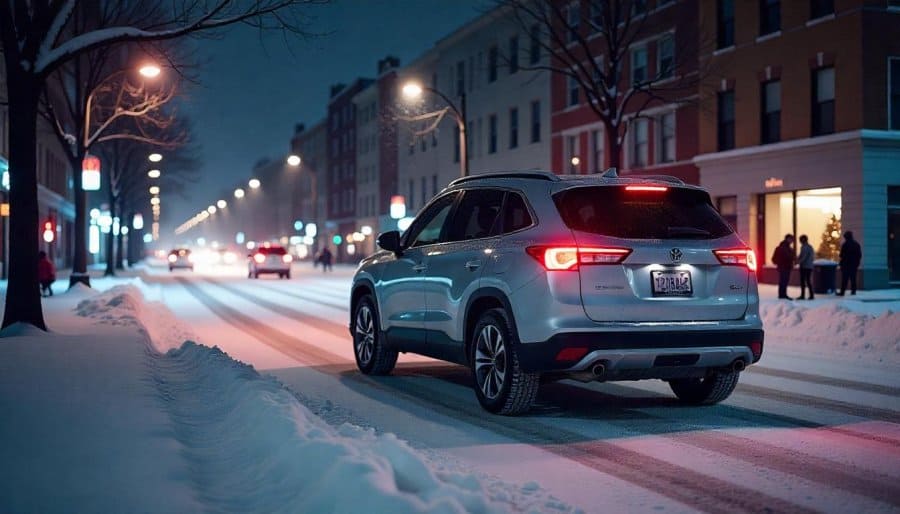
Your Next Step: Embrace Winter Tires for Safer, Confident Driving
Winter tires are more than just a seasonal accessory—they are a critical safety upgrade for anyone facing icy, snowy, or cold roads. Their specialized rubber compounds and aggressive tread designs offer far superior grip and shorter stopping distances, which can be lifesaving in hazardous conditions. Investing in quality winter tires and ensuring they are correctly installed and maintained is a straightforward step that significantly boosts your confidence and safety during winter driving.
Switching to winter tires isn’t just about compliance; it’s about making responsible choices that protect yourself and others on the road. Their design—softer rubber, deeper treads, and multiple sipes—provides the grip needed to stay in control when roads turn slick. Proper maintenance, including regular pressure checks and tread inspections, keeps them performing optimally throughout the season. Replacing tires once tread depth drops below 4mm ensures you maintain the bite needed for icy patches, reducing the risk of slips and accidents.
Planning your routes and driving habits plays a vital role in winter safety. Opt for well-maintained streets and avoid steep hills or poorly plowed areas whenever possible. Slow, deliberate driving combined with increased following distances allows winter tires to do their best work. These small adjustments, paired with the technical benefits of your tires, create a safer driving environment—one where panic and skids become less likely.
Many drivers have firsthand experience showing how winter tires can prevent dangerous slides, shorten stopping distances, and improve overall handling on icy roads. Their stories highlight that the investment in good tires pays off in peace of mind and safety. By choosing the right tires and adopting cautious habits, you’re not just preventing accidents—you’re turning winter driving into a manageable, even comfortable, part of the season.
In the end, winter tires are an essential part of responsible driving in cold climates. Their proven benefits—better grip, quicker stops, and increased control—are backed by science and real-world results. Preparing now by installing, maintaining, and using them wisely sets the stage for safer journeys when winter’s worst hits. It’s a simple but powerful step toward protecting yourself, your loved ones, and everyone sharing the road this season.