Learning to drive is often celebrated as a milestone of independence, but beneath the surface, many teens grapple with persistent internal fears that don’t fade with practice. Could mastering the mechanics of driving truly eliminate the anxiety that accompanies unfamiliar routes, busy highways, and the pressure of judgment from others? This journey isn’t just about acquiring skills; it’s an emotional odyssey where confidence can lag behind outward competence. Teens may appear confident during lessons yet still battle doubts and self-doubt that hinder their full independence. External pressures, perfectionism, and past setbacks can fuel hesitation and overthinking, creating a cycle of internal struggle. Supporting teens with patience, coping strategies, and reassurance is essential to transforming nerves into genuine confidence. This nuanced process reveals that the road to true driving independence involves managing internal fears, building resilience, and learning to trust oneself—reminding us that confidence is as much an emotional achievement as a technical one.
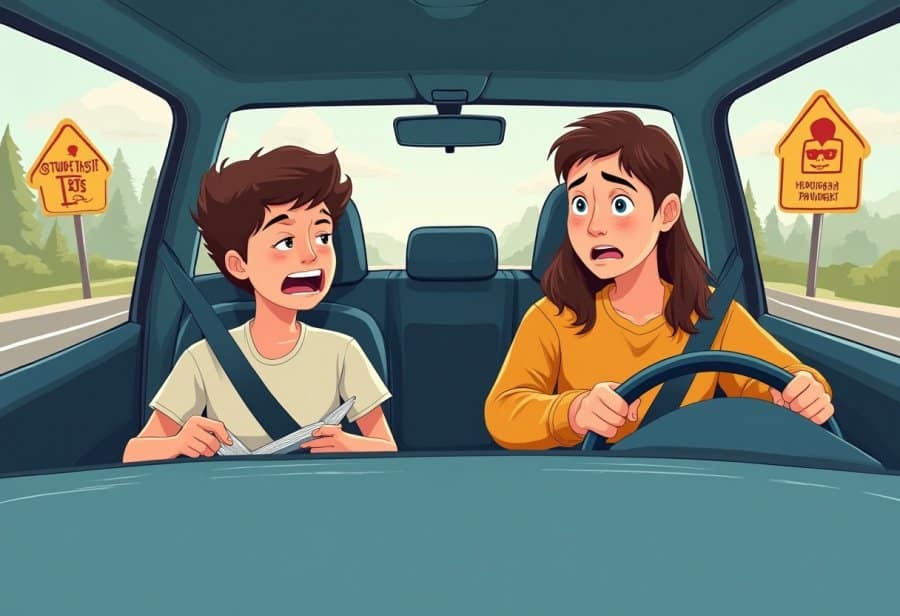
The Emotional Journey of Learning to Drive: Confidence Behind the Wheel
Learning to drive is one of those milestones that feels both exciting and a little terrifying. For teens, it symbolizes independence—an end to relying on parents and a step toward adulthood. But behind the smiles and confident looks often lies a different story: sweaty palms, hesitant movements, and a mind racing with doubts. It’s easy to assume that once a teen masters the mechanics of driving, confidence will follow naturally. Yet, many teens find that internal struggles don’t simply disappear once they get behind the wheel.
That gap between outward confidence and internal anxiety is more common than you might think. Teens might handle a parking lot or quiet street with ease, but face a different set of feelings when they’re on a busy highway or unfamiliar route. The nervousness isn’t just about making mistakes—it’s about fear of losing control, causing an accident, or being judged by others. These worries can persist long after the technical skills are in place, making the road to independence more complicated than it appears.
The truth is, learning to drive isn’t just a technical skill—it’s an emotional journey. Many teens struggle with self-doubt and fear of failure, which can hold them back even as they gain experience. It’s easy to think that more practice will erase these internal hurdles, but confidence is built gradually, often through small wins and reassurance. External pressures from parents, instructors, or peers only add to the weight of these internal doubts, making each drive feel like a test rather than an opportunity for growth.
This internal tension can lead to hesitation, overthinking, and avoidance of certain routes or driving situations. Teens may feel ready on paper but still second-guess themselves behind the wheel. These feelings don’t mean they’re failing; they’re part of the process of emotional development and self-discovery. Recognizing that nerves are normal helps normalize the experience and encourages patience, both from teens and those supporting them.
Understanding that internal struggles are natural doesn’t mean they should be ignored. Instead, it’s about acknowledging these feelings and providing the right support. Learning to drive is as much about developing emotional resilience as it is about mastering traffic rules. When teens learn to manage their fears, they start to trust themselves more—and that trust is the foundation of true confidence behind the wheel.
Understanding Teen Driving Anxiety: Fear, Pressure, and Inner Struggles
Many teens begin their driving journey feeling a blend of excitement and nerves, and that’s completely normal. From the moment they sit behind the wheel, fears about making mistakes—like forgetting to check mirrors or stalling—can quickly take hold. These worries often stem from a natural desire to do well and avoid embarrassment, but they can escalate into deeper anxiety about causing an accident or losing control. Even teens who handle simple maneuvers with ease might still feel uneasy in unfamiliar or busy driving situations.
External pressures significantly contribute to this anxiety. Teens often feel watched and judged by parents, instructors, or peers, which can make every challenge seem more daunting. The fear of being evaluated negatively or making errors in front of others adds extra stress, turning routine practice into a source of worry. This scrutiny can heighten self-doubt, making it harder for teens to stay relaxed and absorb what they’re learning.
Alongside these external factors, internal psychological concerns play a major role. Many teens struggle with perfectionism or a fear of failure, which makes even small mistakes feel like setbacks. Past negative experiences—like harsh critiques or minor errors—can reinforce feelings of inadequacy. Physical symptoms such as sweating, trembling, or racing thoughts often accompany these fears, creating a cycle that feeds anxiety and diminishes confidence.
Supporting teens in overcoming driving anxiety involves equipping them with coping techniques. Deep breathing, visualization, and mindfulness can help manage stress during tense moments. When teens learn to pause, breathe, and focus on positive outcomes, they develop a sense of control over their nerves. Encouraging open conversations about their worries fosters trust and helps tailor strategies that address their specific fears.
It’s crucial to recognize that nerves are a natural part of learning to drive. These feelings don’t mean failure—they signal that a teen is pushing beyond their comfort zone and growing. Patience and reassurance from supportive adults can help normalize these emotions, making it easier for teens to confront and manage their internal challenges. With the right tools and understanding, they can transform anxiety into a catalyst for self-discovery and confidence behind the wheel.
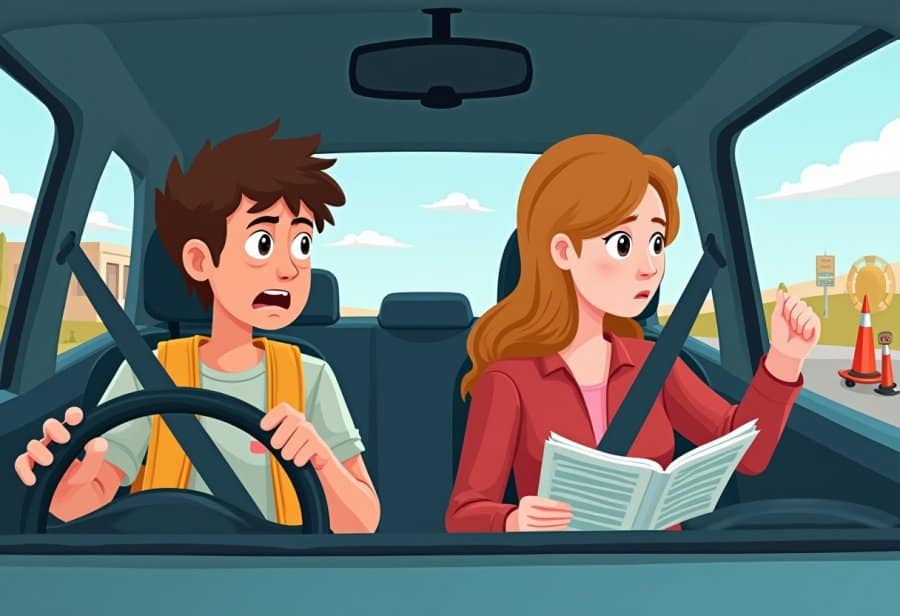
The Reality of Teen Driving Confidence: Myths, Mindsets, and Inner Battles
Many teens start their driving journey with a mix of confidence and nerves, often shaped by how they perceive what it means to be a good driver. To outsiders, they might seem eager and self-assured, handling the wheel smoothly or joking during lessons. But beneath that confident exterior, many still wrestle with doubts, fears of failure, or worries about making mistakes. The common belief is that more practice will naturally boost their confidence, but in reality, genuine self-assurance takes time to develop—and it’s influenced by both experience and emotional growth.
There’s often a disconnect between how teens appear on the surface and what they feel inside. Someone might master parallel parking or navigate busy streets without trouble but still feel anxious about errors or judgment from others. These internal doubts can linger even after many hours behind the wheel, making it clear that technical skill alone doesn’t guarantee real confidence. Building true self-trust requires patience, positive reinforcement, and consistent support.
Many teens’ outward behavior masks ongoing inner struggles. They might seem confident during a drive, yet inside, doubts and fears persist. This internal tension can cause hesitation, second-guessing, or avoidance of certain routes or situations. When internal doubts remain unaddressed, they can impact safety and independence, making it harder for teens to fully trust their abilities. Recognizing this gap helps explain why some teens appear confident but still feel uncertain when faced with new challenges.
The belief that confidence automatically grows with experience is a misconception. Even after handling routine tasks well, many teens feel nervous or unsure. Confidence isn’t just about acquiring skills; it’s about developing a sense of safety, resilience, and self-belief. Small wins, positive feedback, and a supportive environment are crucial. Without these, progress can feel slow, and nerves can resurface, undermining their sense of readiness.
Personality traits and past experiences also influence how quickly teens build genuine confidence. Naturally cautious teens may take longer to feel secure, while more adventurous ones might embrace new challenges faster. Past mistakes or harsh critiques can leave lasting impressions, reinforcing doubts. Confidence is not just about mastering the mechanics of driving but about feeling capable and in control, even amid uncertainty.
This gap between outward confidence and internal doubt can lead to hesitation and overthinking, especially in unfamiliar situations. Teens might appear ready but second-guess themselves at crucial moments, which can reduce their overall safety and enjoyment on the road. Understanding this helps us see that internal confidence is a layered, nuanced process, often requiring more than just practice to nurture.
Progress isn’t linear, and setbacks are part of the journey. When teens stumble or make mistakes, it’s easy for doubts to deepen, making future challenges seem even more daunting. Recognizing mistakes as normal and part of learning is essential. Supportive feedback and patience help teens reframe setbacks as opportunities for growth, gradually reinforcing their trust in their abilities.
Seeing confidence as a steady, straightforward progression underestimates the emotional complexity of learning to drive. Genuine confidence involves a blend of skill, emotional resilience, and self-trust. Supporting teens means acknowledging their internal struggles, celebrating small victories, and fostering a mindset that turns nerves into empowerment. With time and patience, they can bridge the gap between how they look on the surface and how they feel inside, becoming not just capable drivers but confident ones.
Strategies for Supporting Nervous Teen Drivers: Building Resilience and Trust
Supporting nervous teen drivers requires patience and practical strategies that directly address their internal struggles. Starting in familiar, low-stress environments allows teens to build confidence gradually. Repeating simple tasks like parking or lane changes reinforces their sense of success, helping them feel more in control. Breaking complex driving situations into manageable steps makes each challenge less intimidating, giving teens the chance to focus on one thing at a time without feeling overwhelmed.
Teaching calming techniques can make a big difference when nerves spike. Deep breathing, visualization, and mindfulness help teens stay grounded during stressful moments. When they learn to pause, breathe deeply, and visualize successful driving, they develop a sense of mastery over their anxiety. Positive self-talk further supports this by reminding them of their progress and encouraging a growth mindset, transforming nerves into confidence.
Creating a safe space for teens to share their worries is crucial. Open conversations about fears and doubts help identify specific triggers, making it easier to develop tailored coping strategies. For example, if a teen fears merging onto busy highways, focused practice combined with calming techniques can turn that fear into a feeling of preparedness. Building this trust encourages resilience and shows that internal fears are manageable, not insurmountable.
Patience remains essential. Recognizing that nerves are a natural part of learning—and that progress might be slow—helps set realistic expectations. Celebrating small victories, like successfully navigating a tricky intersection or completing a drive without panic, boosts their belief in their abilities. These wins, no matter how minor, serve as building blocks for internal confidence, gradually replacing doubt with trust in themselves.
Empowering teens to set personal goals and choose their routes fosters a sense of ownership over their progress. When they make decisions behind the wheel, they develop self-efficacy and resilience. This autonomy helps shift driving from a stressful task to an opportunity for growth and self-discovery. Supporting their independence in small, manageable ways encourages a positive attitude toward learning and helps solidify confidence.
Supporting teens through internal struggles isn’t about eliminating nerves entirely but about helping them manage and reframe those fears. Equipping them with coping skills and fostering emotional resilience allows them to face challenges with clarity and strength. Over time, this approach turns anxiety into empowerment, laying a foundation for safer, more confident driving—and for confident, capable individuals ready to take on future challenges.
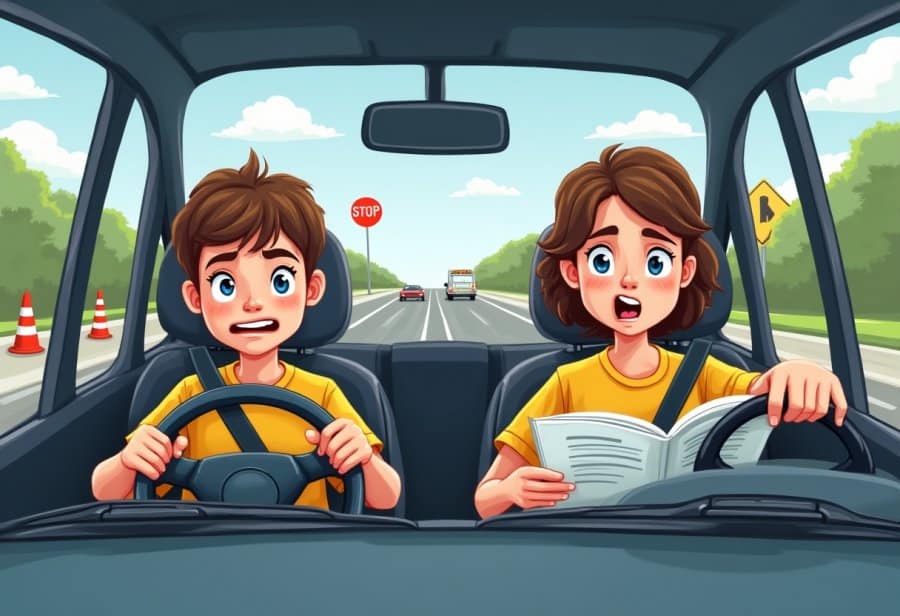
The Real-World Impact of Internal Fears: How Anxiety Shapes Young Drivers’ Confidence
Internal fears can significantly shape how teens experience driving, often in ways that aren’t immediately visible. When anxiety or self-doubt take hold, they tend to cause hesitation during routine trips, making teens second-guess their decisions at every turn. This internal struggle can create a cycle of overthinking, turning simple maneuvers like merging or turning into stressful challenges. As a result, teens might avoid certain routes or situations altogether, limiting their independence and confidence behind the wheel.
These internal fears often manifest physically—trembling hands, racing thoughts, sweating—which can make teens feel as if they’re losing control, even when their skills are sound. Over time, these symptoms chip away at their belief in their ability to handle driving, reinforcing doubts and diminishing confidence. When these feelings persist, they can influence decision-making and safety, causing hesitation that affects both their progress and their self-trust.
The impact extends beyond driving itself. Teens who grapple with internal fears often develop patterns of self-doubt that ripple into other areas of life. They may hesitate when making decisions, worry excessively about future mistakes, or shy away from responsibilities that symbolize independence. This self-imposed limitation can create a cycle of insecurity, making them question their overall competence and resilience, not just on the road.
Stories from teens who have worked through these fears highlight how deeply internal doubts can affect their journey. A young driver might initially feel overwhelmed by busy intersections, but with consistent support and targeted practice, they begin to replace those doubts with trust in their abilities. These experiences demonstrate that internal fears aren’t fixed—they can be managed and transformed into confidence through patience, encouragement, and effective coping strategies.
Setbacks are common and can often reinforce internal worries. When mistakes happen—like missing a turn or struggling with parking—it’s easy for teens to interpret these moments as proof of inadequacy. Without guidance, these setbacks threaten to deepen their self-doubt, making future drives seem more daunting. Recognizing mistakes as natural steps in learning allows teens to reframe failures as opportunities for growth, strengthening their resilience and sense of capability.
Addressing these internal fears directly is crucial. Techniques such as mindfulness, self-compassion, and visualization empower teens to confront their worries and develop emotional resilience. As they learn to challenge negative thoughts and focus on their achievements, they start to see themselves as capable rather than fearful. This mindset shift is essential for turning internal struggles into genuine confidence behind the wheel.
Supporting teens through their internal fears isn’t about eradicating nerves entirely but helping them manage and reframe those worries. Building emotional resilience and providing practical tools enable teens to approach challenges with clarity and strength. Over time, these efforts transform nerves into self-assurance, making them safer drivers and more confident individuals ready to face future challenges with trust in themselves.