Underground street racing is a high-octane culture rooted in loyalty, brotherhood, and secrecy—how does this clandestine world forge bonds deeper than just speed? From its humble origins as informal meetups testing limits in hidden spots, the scene has evolved into a global community driven by shared risk and unbreakable trust. Racers operate within tight crews, where acts of support—repairing cars, sharing tips, safeguarding each other—cement lifelong bonds. Their language, rituals, and modifications symbolize identity and allegiance, transforming vehicles into badges of honor. Despite increasing legal pressures, the scene demonstrates resilience by adapting with discrete communication and innovative tech, ensuring its survival. Will this enduring brotherhood withstand external threats, or will modern technology and shifting perceptions redefine its future? Ultimately, underground racing remains more than a pursuit of speed—it’s a community built on loyalty, support, and shared passion that continues to thrive beneath the neon glow of urban nights.
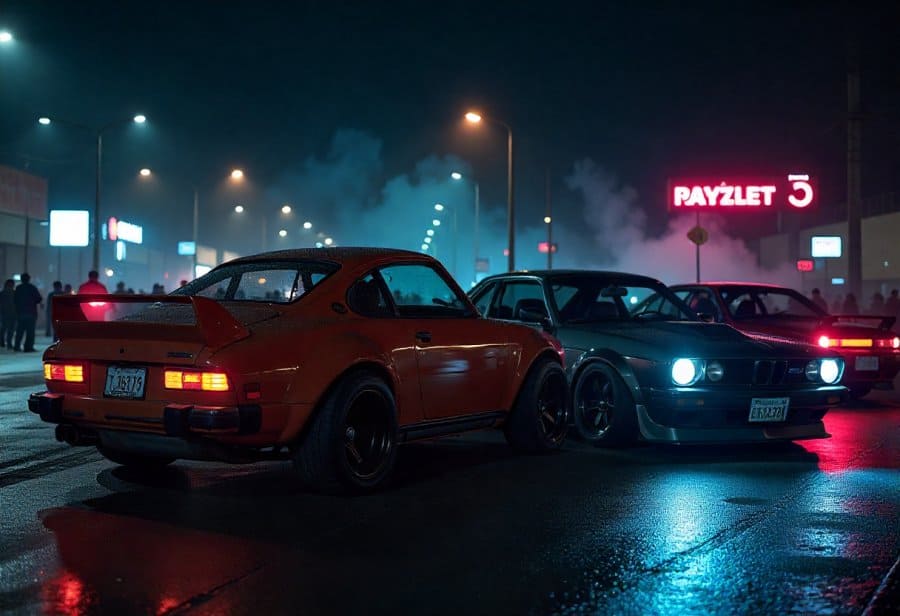
Underground Racing Origins: A Century of Rebellion and Community
Underground street racing has roots that run nearly a century deep, starting as informal meetups among car enthusiasts eager to test their machines beyond legal limits. In those early days, it was about more than just speed—it was a way to showcase custom modifications and push boundaries in secret, often in abandoned or hidden spots where police couldn’t easily intervene. Over time, this clandestine scene grew into a global subculture, driven by adrenaline, rebellion, and a sense of belonging that transcended individual cars.
Today, underground racing isn’t just about racing fast; it’s about community. Racers gather in urban landscapes—quiet streets, deserted parking lots, or abandoned warehouses—places that offer the seclusion needed for discreet high-speed runs. Communication is often through quick signals, encrypted messages, or whispered plans, emphasizing the importance of secrecy. These locations become sacred, serving as testing grounds where trust is built and skills are sharpened away from prying eyes.
At its core, the culture is rooted in shared values—loyalty, respect, and brotherhood—that define how racers relate to one another. Cars are more than transportation; they’re symbols of identity, each modification telling its own story of dedication. Whether it’s a turbo upgrade, a custom paint job, or specialized tires, these tweaks reflect personal pride and a collective sense of achievement. Engines roar under the cover of night, amplifying the feeling of being part of something bigger than just a race.
Despite its illegal status, underground racing operates on unspoken codes. Racers see each other like family, supporting one another through repairs, sharing tips, and backing each other up during tense moments. Loyalty isn’t handed out lightly—it’s earned through actions built on trust, shared risks, and long nights working on cars or organizing races. This mutual support keeps the scene resilient, even when external pressures threaten to shut it down.
The bonds formed are more than just camaraderie; they are the foundation of a high-octane brotherhood. Racers rely on each other’s skills and judgment, knowing that loyalty and discretion can mean the difference between survival and disaster. These relationships are reinforced through rituals—silent signals, quick exchanges of respect, and collective celebrations of skill—creating a culture that’s as much about connection as it is about speed.
Understanding underground street racing means recognizing its core: a community built on trust, loyalty, and shared passion. It’s a scene where relationships are forged in the heat of competition, but maintained through unwavering support. The scene’s strength lies in its ability to adapt and evolve, ensuring that these bonds remain strong despite external threats and changing times.
Even as authorities crack down and societal perceptions shift, the culture persists. Racers adapt by using new technology, secret locations, and tighter communication, all while holding on to their values. The sense of kinship, loyalty, and brotherhood continues to define the scene, making it more than just a pursuit of speed—it’s a community that endures, driven by shared passion and unbreakable bonds.
Core Elements of Street Car Culture: Language, Locations, and Identity
In underground street racing, language and terminology are as vital as the cars themselves. Terms like “brotherhood,” “racing family,” and “crew” aren’t just buzzwords—they embody the deep loyalty that binds racers together. These relationships are built on trust, shared experiences, and mutual support, creating a network that extends beyond the thrill of the race. Cars serve as more than transportation; they’re symbols of identity. Every modification, from turbo upgrades to custom paint jobs, tells a story of dedication, pride, and belonging that resonates within the community.
The environment where this culture thrives is carefully chosen for its secrecy and safety. Racers often gather in hidden spots—abandoned warehouses, quiet streets, or deserted parking lots—that provide enough space for high-speed runs without attracting unwanted attention. Communication is discreet and swift, often through encrypted messages, quick signals, or whispered plans, emphasizing the importance of secrecy. These locations become almost sacred, serving as testing grounds where trust is earned and skills are sharpened away from law enforcement’s watchful eyes.
Locations play a ritualistic role in the scene. These spots aren’t just random hideouts—they’re places where routines are established, and a shared understanding develops. Racers push their limits here, knowing the risks involved—legal trouble, accidents, or injuries—and rely on each other’s support to mitigate those dangers. This collective effort fosters a sense of mutual respect and shared responsibility, reinforcing bonds that run deep within the scene. Ritual signals, silent nods, and quick countdowns keep races coordinated without attracting attention, strengthening the unspoken code that unites everyone.
Loyalty within underground racing extends beyond the cars. It’s about looking out for each other’s safety, helping repair damaged vehicles, and sharing tips on tuning and modifications. Acts of support—whether troubleshooting a tricky engine problem or covering for a teammate during a tense moment—are how trust is demonstrated daily. These small gestures accumulate, forging a community rooted in integrity, discretion, and unwavering commitment. The scene isn’t just about individual speed; it’s about collective resilience built on shared sacrifices.
Car modifications are a visual language of loyalty and pride. A custom engine or a unique paint job isn’t just about performance or aesthetics; it’s a statement of belonging. Each detail reflects a racer’s personality and their dedication to the scene. Recognizing a teammate’s car—its mods, its style—becomes a form of respect, further strengthening the kinship. These machines symbolize the effort, creativity, and loyalty of their owners, turning everyday vehicles into badges of honor within the underground brotherhood.
All these elements—language, secret locations, customs, and car culture—interweave to form the foundation of underground street racing. It’s a scene built on unshakable bonds, where trust, loyalty, and shared passion create a resilient community. Understanding these core ideas helps explain why the scene endures despite external pressures. It’s more than just racing; it’s a brotherhood that thrives on connection, secrecy, and unwavering support, ensuring its survival for generations to come.
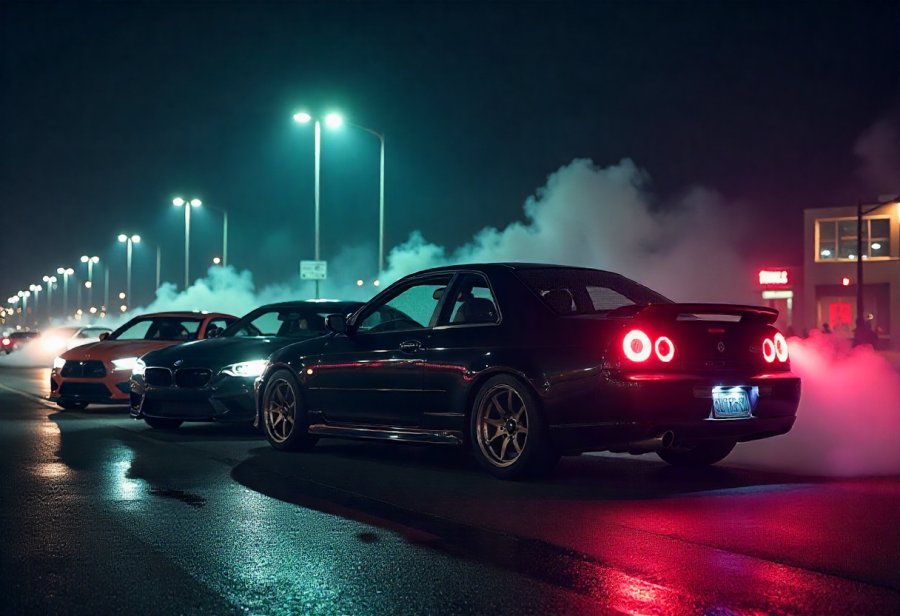
The Unbreakable Bonds: Loyalty and Brotherhood in Underground Racing
Underground racing is more than just a pursuit of speed; it’s a scene built on deep, unshakeable bonds that grow through shared risks and unwavering trust. Racers often operate within tight crews, where loyalty isn’t handed out lightly—it’s earned through actions over time. These relationships are forged during late-night tuning sessions, long hours in the garage, and countless high-stakes races, creating a sense of family rooted in mutual support.
Trust becomes the backbone of these connections, strengthened when teammates stand together after tough races or help repair damaged cars without hesitation. Supporting each other goes beyond fixing vehicles; it’s about safeguarding each other’s safety and reputation. Acts of loyalty—like sharing secrets, troubleshooting tricky modifications, or covering for a teammate—are the currency that cements these bonds, turning acquaintances into brothers.
In this community, loyalty follows a code that guides behavior. Racers don’t just trust each other with their cars—they trust each other with their lives. This trust is built over long nights, risky runs, and honest support. Acting with integrity, respecting unspoken rules, and maintaining secrecy are essential for the scene’s cohesion. These small acts of support and discretion keep the scene resilient against external threats and legal pressures.
Support is demonstrated through everyday acts—picking up tools for a teammate’s damaged car, sharing knowledge, or simply showing up when it counts. These gestures, though small, accumulate into a powerful fabric of mutual respect and long-term loyalty. The bonds formed in these moments extend beyond race day, creating relationships that can last a lifetime.
Loyalty also manifests in the way racers protect each other’s safety. Wearing proper gear, choosing secret locations, and pushing limits responsibly are ways they show respect for the unspoken rules. These practices reinforce the trust within the brotherhood, ensuring that everyone looks out for one another amid the chaos and danger of night racing.
At its core, underground racing is a high-octane family. The shared passion for speed, combined with unwavering loyalty, transforms fleeting moments into lifelong connections. Even when external pressures threaten to break the scene apart, these bonds hold firm, keeping the community united and resilient.
The strength of this brotherhood lies in its ability to adapt without losing sight of its core values. New generations bring fresh energy, but the principles of trust, support, and loyalty remain central. This enduring culture is sustained not just by fast cars, but by the unbreakable bonds forged through shared risks, respect, and brotherhood, ensuring underground racing continues to thrive.
Living the Culture: How to Engage, Respect, and Thrive in the Scene
Getting involved in underground street racing isn’t something you just jump into overnight. The best way to start is by quietly observing from a distance—watch how experienced racers communicate, organize, and follow the unspoken rules. Pay attention to the locations they choose, how they signal the start of a race, and how crews support each other behind the scenes. Building an understanding takes time, and showing respect for the scene’s traditions is essential. Approach with humility and genuine curiosity; this helps build trust and shows you’re committed to learning without rushing into risky situations.
Once you’ve gained some familiarity, the next step is connecting with seasoned racers who can guide you through the norms and safety practices. These are the people who know the secret spots, proper conduct, and how to stay discreet. Asking questions and demonstrating a sincere desire to learn will earn respect. Never push beyond your skill level or race without the right safety gear—this isn’t just about winning, but about staying safe and respecting the brotherhood. Support your teammates by helping with repairs or sharing tips; these small acts help build your reputation and deepen your ties over time.
Race nights follow a familiar rhythm of trust, preparation, and timing. Crews gather quietly in hidden spots—abandoned warehouses, empty streets, or deserted parking lots—where they can set up without drawing attention. As everyone arrives, they make last-minute adjustments, exchange nods of respect, and communicate through quick signals or countdowns. When engines roar into the night, the rush of adrenaline is universal. After crossing the finish line, racers compare times and offer encouragement, all while keeping a low profile to avoid law enforcement. It’s about skill, but also about mutual respect and discretion.
Building trust and showing respect are the foundation of your reputation in underground racing. Support your teammates by assisting with repairs, sharing knowledge, and respecting the unspoken rules. Actions speak louder than words—help troubleshoot tricky modifications or back up a teammate during tense moments. These gestures reinforce loyalty and strengthen bonds within the community. Respect for secrecy, safety, and each other’s well-being creates a resilient scene where trust is the currency that keeps everyone connected.
Safety should always come first. Never race without proper gear—helmets, harnesses, and safety equipment save lives. Choose your locations carefully—quiet, hidden spots where you can race without attracting unwanted attention. Respect the trust placed in you by the scene; rushing into a race or pushing your car beyond its limits can have serious consequences. Support your crew by sharing tips, helping with repairs, and looking out for each other’s safety. This collective effort fosters the loyalty and kinship that keep underground racing alive.
The core of this culture is loyalty. Every act of support—whether fixing a car, sharing advice, or simply showing up—cements the bonds that turn acquaintances into family. These relationships aren’t built in a single night but grow through consistent trust and mutual respect. Protect each other’s safety as fiercely as you chase speed. Wearing proper gear, respecting secret locations, and following unspoken rules show your commitment and help maintain the scene’s integrity. It’s these small acts of loyalty that create a community capable of enduring external pressures and internal challenges.
Embracing the scene’s values means recognizing that underground racing is more than just a sport—it’s a brotherhood. Support, discretion, and loyalty aren’t just ideals; they are the glue holding everything together. The bonds forged in late-night races and shared risks become lifelong connections. Even when external threats loom or authorities tighten their grip, these relationships keep the scene resilient. The culture survives because it’s rooted in trust and genuine kinship, making it more than just a pursuit of speed—it’s a way of life.
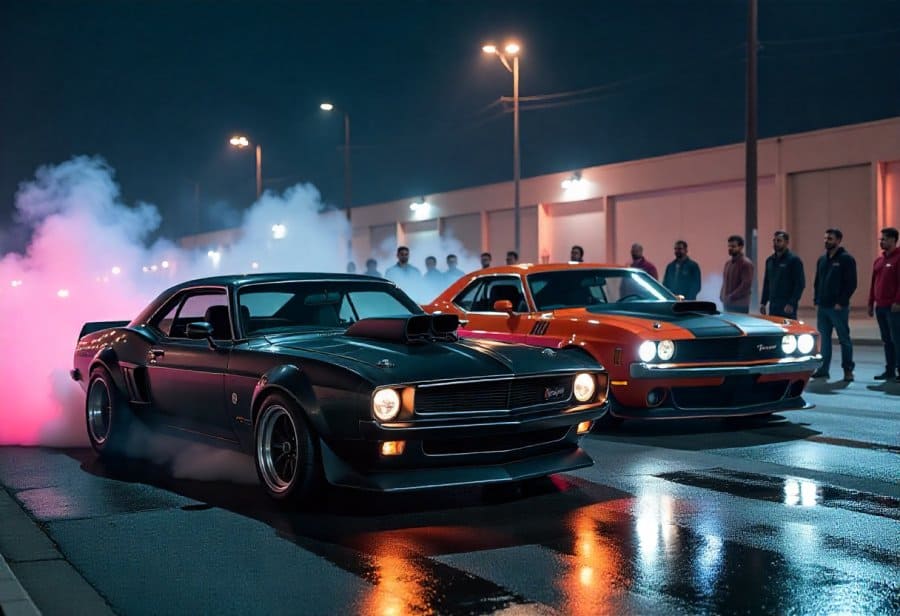
The Future of Underground Racing: Innovation, Resilience, and Enduring Brotherhood
Underground street racing has shown a remarkable ability to adapt and endure despite mounting legal pressures and societal scrutiny. As authorities crack down harder, racers respond by becoming more discreet—moving locations, employing encrypted messaging, and refining their signals. This resilience highlights how deeply rooted the culture of loyalty and brotherhood truly is. The core values of trust, mutual support, and secrecy remain intact, allowing the scene to persist and evolve even in challenging times. This capacity to adapt while holding onto its fundamental principles keeps underground racing alive and vibrant.
Advancements in technology are shaping its future in significant ways. Online forums, encrypted chats, and social media help crews stay connected, plan races, and share tips without exposing themselves to law enforcement. These tools make organizing safer and more efficient, creating a seamless behind-the-scenes network. Meanwhile, innovations in car modification—like smarter tuning devices and digital performance trackers—continue to push boundaries, attracting new enthusiasts eager to express their style and skill. This blend of tradition and innovation ensures the scene remains dynamic and relevant, appealing to a new generation of racers.
Despite ongoing challenges, the scene’s ability to evolve suggests it won’t fade away anytime soon. Younger racers driven by a desire for brotherhood and adrenaline are finding new ways to connect and compete, often leveraging digital tools and secret spots. The emphasis on loyalty and shared experience remains at the heart of it all, even as specific practices change. Today’s underground racing might look different from a decade ago, but the bonds—built through late-night races, shared risks, and mutual support—stay strong. This resilience underscores the scene’s enduring appeal and the community’s unwavering spirit.
Public perception is gradually shifting from outright rebellion to a more nuanced view, recognizing the skills, creativity, and community spirit behind racing. Some see it as a form of urban art or personal expression rather than just illicit activity. This evolving perception opens doors for more constructive dialogue and potential support from communities and authorities. Balancing safety, respect, and tradition could lead to more sustainable practices that preserve the culture’s essence while reducing risks. Such shifts hint at a future where underground racing remains a vital part of urban youth culture, maintaining its rebellious roots while adapting to modern realities.
At its core, underground street racing isn’t just about speed—it’s about the bonds that form through shared risks and unwavering loyalty. These relationships, forged in secrecy and tested in the heat of competition, create a community that’s resilient and enduring. The scene’s strength lies in its ability to adapt without losing sight of its core values: trust, support, and brotherhood. As new generations take the wheel, these principles will continue to shape its future, ensuring that the high-octane brotherhood endures for years to come. Their shared passion and unbreakable bonds keep this underground culture alive, thriving amidst chaos and change.