Nylon, a staple in our everyday lives—from clothing and carpets to industrial tools—originates from petrochemical processes that exact a heavy environmental toll. Its development in the 1930s marked a breakthrough in synthetic fibers, but at what cost? The production begins with extracting oil and natural gas, undergoing energy-intensive chemical reactions that release pollutants and greenhouse gases. Once created, nylon’s durability leads to persistent pollution, especially microplastics shed during washing, contaminating oceans and ecosystems worldwide. Despite innovations in recycling and bio-based alternatives, most nylon still relies on fossil fuels, making its environmental footprint unavoidable. As global demand rises, so do concerns about ecosystem damage, climate change, and human health. Can sustainable industry shifts and circular economy principles mitigate these impacts, or are we forever intertwined with the hidden costs of this ubiquitous material? Understanding nylon’s complex roots reveals a pressing need to rethink our dependence on this resource-heavy synthetic fiber.
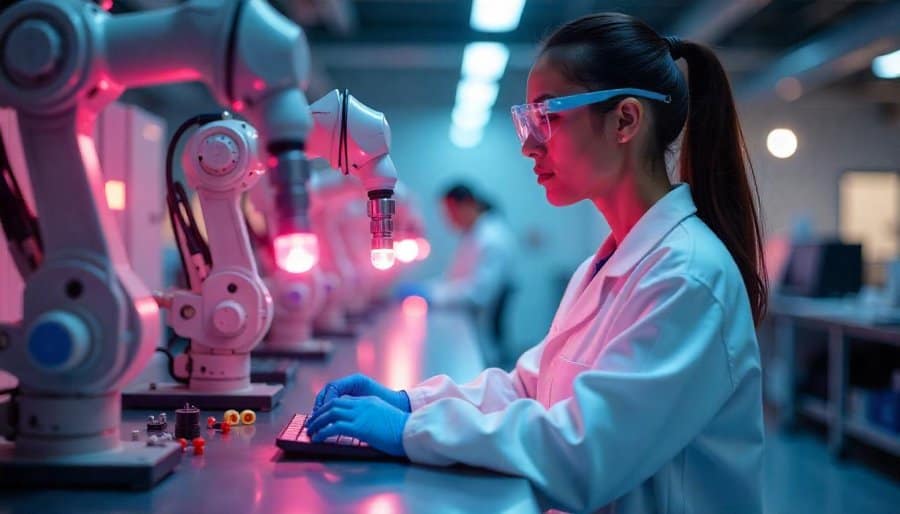
Nylon’s Ubiquity: Unraveling Its Ubiquitous Presence and Hidden Environmental Costs
Nylon is everywhere in our daily lives, often blending seamlessly into the background of our routines. From the tights we wear and the activewear we rely on to the carpets under our feet, nylon’s durability and versatility make it a staple in countless products. Its strength, elasticity, and affordability have made it a go-to choice for industries ranging from fashion and home goods to industrial applications like ropes and fishing lines. Because of these qualities, nylon has significantly shaped modern life, often without us pausing to consider its environmental costs.
Developed in the 1930s, nylon was a breakthrough in textile technology. It was the first synthetic fiber made entirely from petrochemicals, offering a resilient, low-cost alternative to natural fibers like silk or cotton. Its ability to withstand wear and tear, combined with its elasticity, quickly made it a favorite across many sectors. Today, nylon’s presence is almost unavoidable—embedded in the clothes we wear, the carpets we walk on, and the industrial parts that keep machinery running smoothly. Yet, despite its widespread use, many remain unaware of the environmental toll embedded in its production and disposal.
Behind nylon’s convenience lies a complex process rooted in fossil fuel extraction. The journey begins with pulling oil and natural gas from the earth, which are then processed through a series of chemical reactions to produce key precursor chemicals like benzene, toluene, and adipic acid. These substances serve as the building blocks for nylon. Their creation involves energy-intensive steps—refining, chemical synthesis, and polymerization—that highlight nylon’s reliance on non-renewable resources and its heavy environmental footprint. Each stage releases pollutants, consumes vast amounts of energy, and disrupts ecosystems, revealing the true cost of materials designed for durability.
The production process itself is both chemically demanding and resource-heavy. Polymerization reactions—such as condensation polymerization—link small molecules into long chains, creating nylon fibers. These reactions require precise control of high temperatures and pressures, often fueled by burning fossil fuels, which adds to carbon emissions. Catalysts used during synthesis can pose environmental challenges, especially if waste management isn’t carefully handled. Once synthesized, the nylon is spun into fibers and processed into textiles, carpets, and industrial products, each step contributing further to pollution through chemical waste and greenhouse gas emissions.
Recognizing the intricate and resource-intensive roots of nylon production underscores the urgent need for sustainable alternatives. While innovations like recycling and bio-based nylons are emerging, they are still in early stages and cannot yet offset the scale of traditional manufacturing. The dependency on fossil fuels and the pollution generated during production and disposal make it clear that industry-wide change is necessary. Moving toward circular approaches—such as increased recycling, renewable energy use, and stricter pollution controls—will be critical in reducing nylon’s environmental impact and safeguarding the future of our planet.
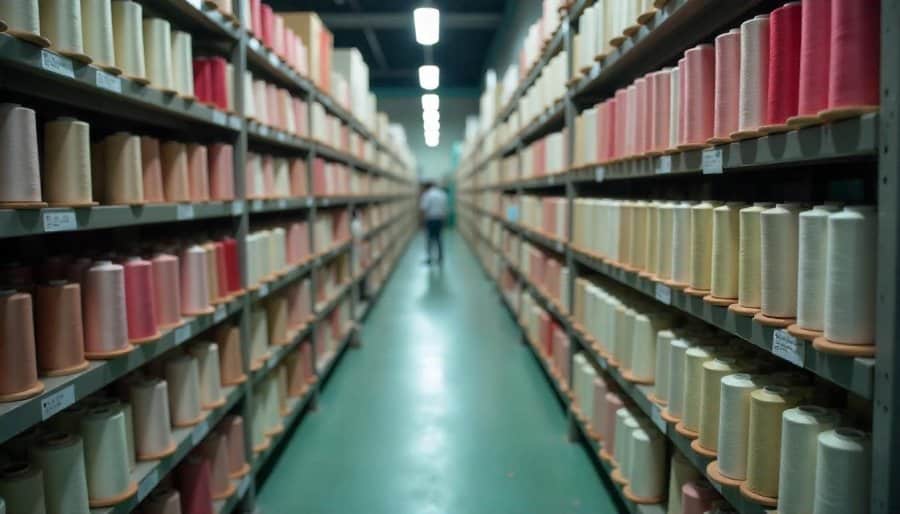
From Fossil Fuels to Fibers: The Complex Chemical Journey of Nylon Production
Nylon production begins with the extraction of raw materials from fossil fuels such as oil and natural gas. These resources are processed through a series of complex chemical reactions to produce the essential precursor chemicals—most notably benzene, toluene, hexamethylenediamine, and adipic acid—that serve as the building blocks for nylon. The process starts with refining crude oil or natural gas to isolate these chemicals, which involves breaking down complex hydrocarbons into simpler compounds through catalytic cracking and other chemical engineering techniques. This stage alone is energy-intensive and contributes significantly to environmental pollution due to the release of volatile organic compounds (VOCs) and other pollutants.
Once these chemicals are obtained, they are transformed through polymerization reactions into long molecular chains. The most common method is condensation polymerization, where monomers like hexamethylenediamine and adipic acid are linked together to form nylon 6,6, releasing small molecules such as water or ammonia as byproducts. This step requires precise control of temperature and pressure, often achieved with high-temperature reactors fueled by burning fossil fuels, which further adds to greenhouse gas emissions. The reliance on non-renewable energy sources makes nylon’s production deeply embedded in the fossil fuel economy.
The chemical reactions involved are both intricate and demanding. Catalysts are used to facilitate the polymerization, but they can pose environmental challenges if waste management practices are not sufficiently strict. The high temperatures and pressures necessary for these reactions demand substantial energy inputs, usually derived from burning fossil fuels, which intensifies the carbon footprint of each batch of nylon produced. The entire process—from raw material extraction to chemical synthesis—is resource-heavy and creates a cascade of environmental impacts, from air pollution to habitat disruption.
After polymerization, the nylon polymer is spun into fibers through mechanical and chemical processing. This spinning process also consumes considerable energy, often involving the extrusion of molten nylon through fine spinnerets to create threads or filaments. Chemical treatments may be applied to modify fiber properties, such as adding dyes or finishing agents, which introduce additional chemicals into the production chain. These steps generate chemical waste and emit greenhouse gases, further amplifying nylon’s environmental footprint.
Transporting raw materials and finished products adds another layer of pollution. Fossil fuels are used to move crude oil, chemicals, and final nylon fibers across long distances, often through diesel-powered trucks, ships, or trains. This logistical network, while necessary for global manufacturing, contributes to air pollution and greenhouse gas emissions, embedding nylon’s environmental costs deep into the supply chain. The extensive energy use at each stage underscores how interconnected and resource-dependent nylon production truly is.
The chemical complexity and energy demands of nylon synthesis also create disposal challenges. Chemical waste from manufacturing, if not properly managed, can contaminate local ecosystems. Moreover, the high energy consumption during production means that even minor inefficiencies or leaks can lead to substantial environmental damage. These issues highlight how nylon’s production process is not only resource-heavy but also carries significant risks of pollution if regulations and practices are lax.
Despite ongoing efforts to innovate, such as recycling nylon or developing bio-based alternatives, these solutions remain limited in scale compared to conventional methods. Recycling nylon, for instance, involves breaking down existing fibers into monomers and reprocessing them into new fibers, which is costly and technically challenging. Bio-based nylons derived from renewable feedstocks are still in development and not yet widely available. As a result, the majority of nylon used today still depends on the fossil fuel-based chemical pathway, maintaining its heavy environmental toll.
Addressing nylon’s environmental impact requires a fundamental shift in how we produce and consume synthetic fibers. Moving toward greener, circular approaches—like increased recycling, renewable energy integration, and stricter pollution controls—is essential. Only by tackling the chemical and energy-intensive roots of nylon production can industry reduce its footprint and help preserve ecosystems. Until then, nylon remains a prime example of how convenience and durability come at a significant environmental cost, urging us to rethink the true price of the synthetic materials woven into our lives.

The Environmental Toll of Nylon: Analyzing Its Impact and the Challenges Ahead
Recent data confirms that nylon’s environmental impact remains deeply significant, despite advances in technology and growing awareness of sustainability. With global production surpassing 8 million tons annually, nylon’s ubiquity in everyday products underscores how embedded it is in our lives. However, this widespread use comes with a hefty environmental price, largely driven by its dependence on fossil fuels. The energy-intensive manufacturing processes release large amounts of greenhouse gases, fueling climate change and contributing to global warming. This reliance on non-renewable resources makes the environmental footprint of nylon unavoidable and ever-increasing.
One of the most visible and troubling issues today is microplastic pollution from nylon textiles. During washing, tiny nylon microfibers are shed into water systems—billions each year—permeating oceans and waterways. These microplastics are ingested by marine life, accumulating up the food chain and eventually reaching humans through seafood. The persistence of these particles in the environment highlights the challenge of waste management and the durability that once was an advantage now turning into a liability. Microplastics contaminate ecosystems from the Arctic to the deep ocean trenches, illustrating the vast reach of nylon pollution.
Regional differences in nylon’s ecological footprint reveal stark contrasts. Countries with lax environmental regulations often see higher levels of pollution from manufacturing and waste disposal. Factories in these regions emit more pollutants into air and water, and landfills overflow with nylon waste that can take centuries to decompose. As nylon breaks down into microplastics, it infiltrates soils, rivers, and oceans, affecting wildlife and human health alike. Conversely, nations with stricter environmental standards are beginning to adopt cleaner production methods and recycling initiatives, but these efforts still lag behind the scale of global demand.
Recycling efforts, though promising, currently cover only a fraction of the total nylon produced. Recycled nylon, often sourced from fishing nets, carpets, and plastic bottles, offers a way to reuse existing materials and reduce reliance on virgin petrochemicals. Yet, the process remains costly and technically complex, limiting its widespread adoption. Meanwhile, bio-based nylons—derived from renewable plant sources—are in development but have yet to reach commercial scale. As a result, most nylon on the market still comes from fossil fuel-based production, maintaining its heavy environmental footprint.
The durability that makes nylon so popular for consumers also extends its lifespan in landfills, where it can persist for hundreds of years. Over time, it fragments into microplastics, contaminating soil and water, and threatening ecosystems and human health. These particles have been found in remote regions, from Arctic ice to ocean depths, demonstrating their pervasive nature. This widespread contamination underscores the limitations of current waste management systems and the urgent need for sustainable alternatives and improved recycling infrastructure.
Despite some positive shifts—such as increased recycling programs and stricter regulations—overall nylon’s impact continues to grow. Industry reliance on fossil fuels remains high, and global production is still expanding. While some companies are investing in greener manufacturing techniques, these are early-stage solutions that cannot yet offset the scale of the problem. Without stronger policies, consumer awareness, and a shift toward sustainable fibers, nylon’s environmental toll is likely to escalate further, threatening ecosystems and communities worldwide.
Looking ahead, addressing nylon’s ecological footprint demands more than incremental change. It requires a fundamental rethinking of how we produce, use, and dispose of synthetic fibers. Industry-wide adoption of circular economy principles—like increased recycling, renewable energy integration, and stricter pollution controls—is critical. Without these measures, nylon’s persistent pollution will continue to jeopardize biodiversity, contaminate water sources, and contribute to climate change. The challenge is immense, but recognizing the scale of its impact is the first step toward meaningful change.