In an era where seamless communication defines success, modern business phone services are no longer just tools—they are strategic assets shaping how companies connect, collaborate, and compete. As traditional landlines give way to innovative VoIP solutions loaded with features like auto-attendants, video conferencing, and mobile integration, the question arises: are these advancements truly revolutionizing professionalism and reliability? While the benefits are clear—cost savings, scalability, and enhanced customer experiences—organizations confront challenges such as dependency on stable internet, cybersecurity threats, and system complexity. Can businesses harness these cutting-edge systems without compromising security or operational stability? As future technologies like AI and 5G promise smarter, more intuitive platforms, the real test lies in navigating evolving risks while leveraging unprecedented connectivity. Will these innovations empower companies to stay resilient and relevant or introduce new vulnerabilities? The evolution of communication is reshaping success itself—are you ready to adapt?
Revolutionize Your Business Communications with FiberConX’s Advanced Phone Services
Elevate your company’s communication infrastructure with FiberConX Communications, a leading provider of business phone service in Canada. Specializing in VoIP and IP-based solutions, FiberConX offers features like voicemail, IVR, Ring Groups, and voicemail-to-mail, ensuring seamless connectivity and professional customer interactions. Whether you’re looking to streamline your inbound calls or enhance your voicemail management, FiberConX delivers reliable and scalable solutions tailored for your business needs. Reach out today at 1.416.945.9210 or email [email protected] to learn more about how FiberConX can transform your communication systems.
Unlocking Business Success Through Reliable Communication
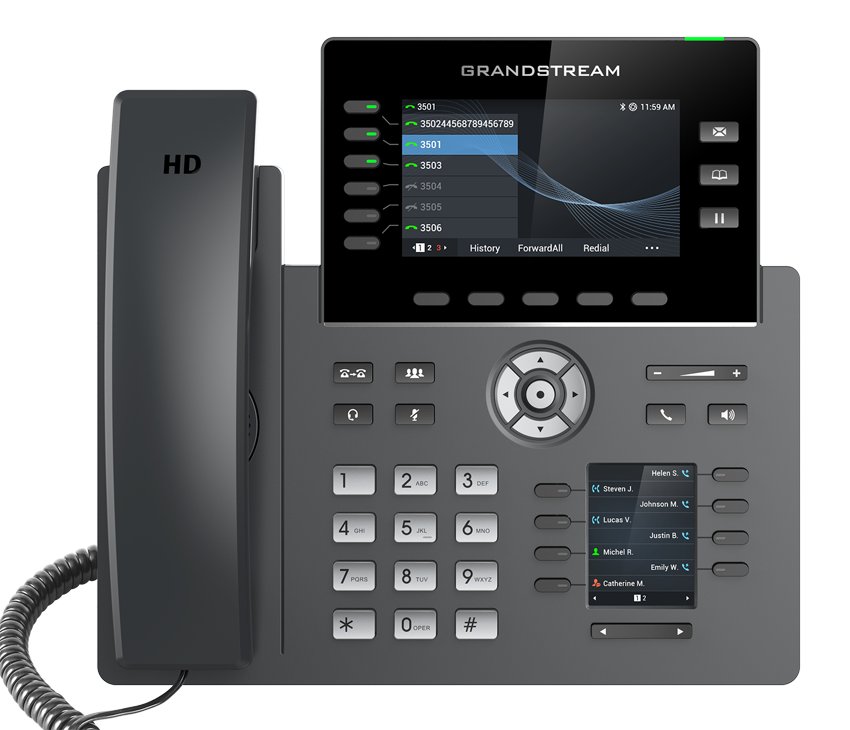
In today’s fast-moving business landscape, clear and dependable communication isn’t just a convenience—it’s the foundation of success. Companies, whether small startups or large corporations, rely heavily on their ability to connect swiftly with customers, partners, and employees. When communication falters, productivity drops, misunderstandings rise, and reputations can suffer. That’s why having a reliable phone system is more than a technical detail; it’s a strategic asset that keeps the wheels turning smoothly.
Over the decades, the way organizations connect has undergone a major transformation. Traditional landlines, once the standard, provided a straightforward way to communicate over long distances. They offered stability and professionalism but came with notable limitations—high infrastructure costs, inflexibility, and difficulty scaling as businesses expanded. As digital technology advanced, companies began seeking more adaptable solutions that could grow with them.
This shift led to the rise of internet-based communication platforms, especially Voice over Internet Protocol (VoIP). VoIP revolutionized business communication by transmitting calls over the internet instead of traditional phone lines. This change brought tangible benefits: lower costs, greater flexibility, and a suite of modern features like voicemail-to-email, call forwarding, and video conferencing. These tools empower teams to stay connected from anywhere, whether in the office, at home, or on the move.
Modern phone systems also play a critical role in shaping a company’s professional image. Customers expect quick, reliable responses, and features like auto-attendants and smart call routing help meet these expectations effortlessly. A well-structured call experience demonstrates efficiency and professionalism, fostering trust and loyalty. Even small businesses can project a larger, more established presence through these advanced capabilities, enhancing credibility in competitive markets.
Scalability remains a key driver behind adopting cloud-based solutions. As a business grows, adding new lines, extensions, or features should be seamless—not disruptive. Cloud platforms make this possible with simple online management dashboards, allowing quick adjustments without hardware overhaul. Plus, these systems improve disaster recovery; if hardware fails or an outage occurs, calls can be rerouted automatically, ensuring ongoing communication and minimal disruption.
Security and compliance are increasingly vital in today’s digital environment. Modern business phone services often include encryption, call recording, and data retention features that protect sensitive information. Such tools help organizations meet industry regulations and safeguard customer trust. Moving beyond basic voice calls, these integrated security measures turn communication systems into comprehensive tools for managing risk and maintaining confidentiality.
Choosing the right communication platform isn’t just about technology; it’s about supporting every aspect of business operations. Reliable, feature-rich systems streamline customer interactions, enhance internal collaboration, and reinforce a professional image. They enable organizations to respond swiftly to market changes and customer needs, building resilience and competitive advantage. In an era where speed and reliability matter more than ever, modern phone services are a strategic necessity.
As technology continues to evolve, so too will the ways businesses communicate. The shift from traditional landlines to internet-based systems reflects a broader move toward integrated, flexible, and secure communication solutions. Staying ahead means embracing these innovations, not just for efficiency but to meet the rising expectations of a connected world. Reliable communication isn’t just the backbone of success—it’s the key to staying relevant in an increasingly digital marketplace.

Overcoming Challenges in Modern Phone Systems
While modern business phone systems bring many advantages, they also introduce certain challenges that organizations need to navigate carefully. One of the most critical issues is their reliance on stable internet connectivity. Because these systems operate over the web, any disruption—such as outages, slow speeds, or network congestion—can result in dropped calls, garbled audio, or complete communication breakdowns. For businesses that depend heavily on real-time interaction, such interruptions can be costly and damaging to customer trust. To mitigate this, many companies implement backup solutions like secondary internet lines or failover options, ensuring continuity even during outages.
Security concerns are another significant consideration. As more business communication shifts online, cyber threats become more sophisticated and pervasive. Hackers can attempt to intercept calls, access sensitive data, or introduce malware into company networks. Without robust encryption, secure authentication, and regular security audits, organizations leave themselves vulnerable to breaches that could compromise client information or disrupt operations. Investing in comprehensive security measures, including end-to-end encryption and strict access controls, is essential to protect both the organization and its customers from these risks.
The complexity of setting up and maintaining these systems can also pose hurdles, especially for smaller businesses without dedicated IT support. Modern phone solutions often require configuration of cloud platforms, integration with existing tools, and ongoing management of security protocols. Mistakes during setup can lead to poor call quality, missed messages, or security gaps. Even after deployment, regular updates and troubleshooting demand technical expertise, which can increase operational costs or cause delays if not managed effectively.
As businesses expand, scalability issues may emerge that weren’t apparent initially. While cloud-based systems are designed to grow with the organization, adding new lines or advanced features can strain bandwidth or necessitate additional security measures. Without proper planning and infrastructure assessment, this growth might lead to degraded call quality or system instability. Regular infrastructure evaluations and close coordination with service providers help ensure that the communication system remains reliable as the organization scales.
Integrating these advanced features into existing workflows often introduces further complexity. Tools like auto-attendants, call routing, and CRM integrations require careful configuration to function smoothly. Improper setup can result in misrouted calls, confusing menus, or missed opportunities, undermining the professionalism these systems aim to project. Providing staff with proper training and ongoing technical support is vital to maximize the benefits and avoid operational hiccups.
Cybersecurity threats and system failures can also have serious operational impacts. Outages caused by hacking, software glitches, or hardware failures can temporarily cut off communication channels, leading to missed sales, frustrated customers, and reputational damage. Small issues, if unaddressed, can escalate quickly. Building resilience through proactive maintenance, security protocols, and contingency planning minimizes the risk of prolonged disruptions, ensuring that communication remains stable even in challenging situations.
The article Transforming Business Communication with Modern Phone Solutions by Tavi Young on Rocky Room explores this subject in more detail.
Navigating these challenges requires a clear strategy and ongoing vigilance. While modern business phone systems unlock tremendous potential, they demand careful management to realize their full benefits. Recognizing the importance of reliable connectivity, investing in security, and planning for growth are essential steps toward leveraging these tools effectively. When approached thoughtfully, these systems can become a resilient backbone supporting seamless, professional, and secure communication in today’s competitive landscape.
Transforming Business Operations with Advanced Phone Solutions
Modern phone systems have become a fundamental part of daily business operations, serving purposes far beyond simple voice calls. They help streamline workflows, improve customer interactions, and project a polished, professional image. Features like call routing and auto-attendants ensure that high call volumes are managed efficiently, directing customers swiftly to the right department or individual. This seamless experience not only reduces wait times but also builds trust, showing clients that the company values their time and needs.
For sales teams, these systems offer tools that foster immediacy and personal connection. Video conferencing, instant messaging, and integrated dialers enable quick follow-ups and real-time conversations, regardless of team members’ locations. This immediacy often translates into higher conversion rates, as prospects appreciate direct, personal engagement. Mobile integration further enhances outreach, allowing sales professionals to respond to inquiries or schedule calls while on the move, whether in the field or working remotely.
Administrative staff benefit from features like voicemail-to-email and call forwarding, which keep them responsive even outside traditional office hours. These tools help manage schedules more effectively and ensure that important messages aren’t missed. When team members are away from their desks, they can stay connected, providing continuous service that meets customer expectations. Flexibility like this supports a healthier work-life balance for employees and ensures business continuity.
Pentego includes an in-depth article by Madeline Anderson titled Transforming Business Communication for a Digital-First Future.
Managers leverage analytics and reporting tools embedded within modern phone systems to monitor performance metrics such as call volume, wait times, and resolution rates. These insights allow leaders to identify bottlenecks and optimize staffing or processes accordingly. By turning communication data into actionable insights, organizations can refine their customer service strategies and internal workflows, aligning operations more closely with business goals and customer needs.
Reliability and professionalism across all interactions are bolstered by these advanced features. Missed or dropped calls can harm a company’s reputation, but auto-attendants and smart call routing minimize such risks. Ensuring that callers reach the appropriate person quickly creates a smooth experience that fosters trust and loyalty. This seamless communication reflects well on the organization, reinforcing its professional image and credibility.
As remote and hybrid work models become more prevalent, the role of these systems expands further. Cloud-based platforms and mobile features ensure teams stay connected from anywhere, fostering a flexible, collaborative environment. Employees can communicate, share information, and respond to clients without being confined to a single location. This agility not only enhances productivity but also makes organizations more resilient to disruptions and more attractive to talent seeking modern workplaces.
In essence, modern business phone systems are more than just communication tools—they’re strategic assets. They enable businesses to deliver exceptional customer experiences, facilitate internal collaboration, and adapt swiftly to changing market demands. Their practical applications across various functions highlight how integrated, feature-rich platforms are essential for maintaining professionalism and staying competitive in today’s connected world.
The Future of Business Communication: Trends and Innovations
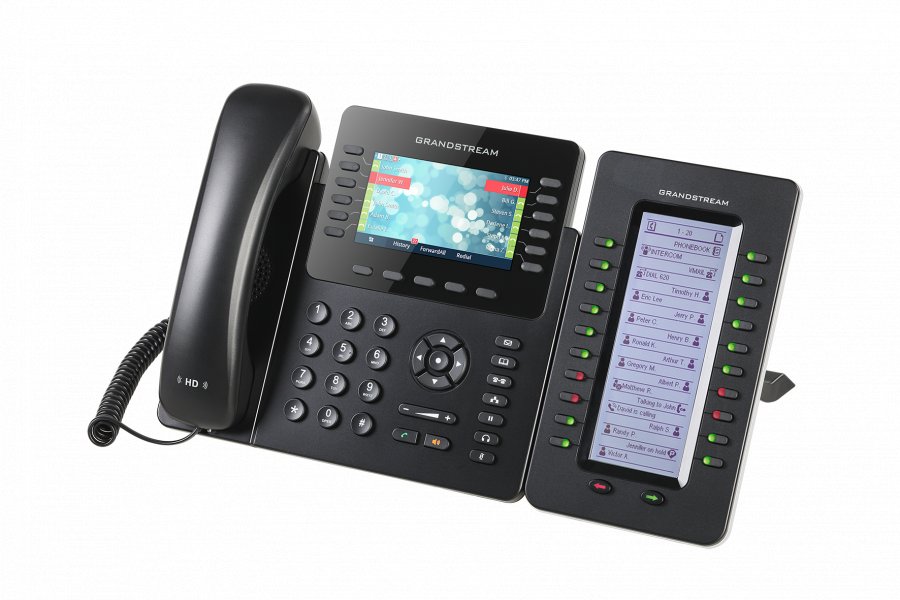
The future of business communication promises rapid technological advancements that will reshape how companies connect, collaborate, and compete. Artificial intelligence, machine learning, and the rollout of 5G networks will make communication platforms smarter and more intuitive, enabling organizations to anticipate needs, personalize interactions, and streamline workflows. These innovations will merge voice, video, messaging, and data sharing into seamless, integrated solutions, reducing friction and enhancing efficiency across all channels.
Security and privacy will take center stage as these systems become more complex and embedded in daily operations. Companies will need to adopt stricter standards, such as end-to-end encryption and advanced authentication protocols, to protect sensitive information and maintain customer trust. Regulatory frameworks around data privacy are tightening, making cybersecurity an ongoing priority. Building resilient, secure platforms will be essential for organizations looking to future-proof their communication strategies.
The shift toward remote and hybrid work models will accelerate the adoption of mobile and cloud-based solutions. Features like remote call management, instant messaging, and mobile apps will become standard, supporting flexible, agile teams that can operate efficiently from anywhere. This mobility not only boosts productivity but also broadens talent pools, helping organizations attract and retain talent seeking modern, adaptable workplaces. As a result, business communication will become more resilient, inclusive, and capable of supporting continuous operation despite disruptions.
Artificial intelligence will increasingly handle routine tasks, such as scheduling, answering common inquiries, and analyzing customer sentiment. Virtual assistants and chatbots will free up human agents to focus on more complex issues, elevating service quality. These tools will also provide richer insights into communication patterns, enabling continuous improvement and more personalized customer experiences. As AI integration deepens, communication platforms will evolve into strategic assets that directly influence customer satisfaction and loyalty.
While these technological strides open exciting possibilities, they also present challenges. Connectivity issues remain a concern, especially in less developed regions, potentially hindering the reliability of internet-based systems. Cyber threats continue to evolve, requiring organizations to stay vigilant and invest in advanced security measures. Additionally, integrating new technologies into existing workflows demands careful planning, expertise, and resources. Those that proactively address these hurdles will be better positioned to leverage future innovations and maintain a competitive edge in an ever-connected world.