When deciding where to service your vehicle, do small, family-run garages truly offer better long-term care than large chains? This guide explores the compelling differences: small shops often foster personal relationships, provide tailored service, and may offer more competitive prices, especially for older or classic vehicles. Conversely, large chains prioritize technological precision, consistency across locations, and nationwide warranties, making them ideal for newer cars or frequent travelers. The choice hinges on what you value most—trusted familiarity or cutting-edge diagnostics. Are you willing to sacrifice some personal touch for technological assurance, or vice versa? Ultimately, selecting a dependable mechanic involves assessing certifications, diagnostic tools, transparency, and reputation. Both options can support your car’s longevity but in contrasting ways: one through personalized care rooted in community trust, the other through standardized, high-tech expertise. Which aligns better with your needs, and how will it impact your vehicle’s future health?
Deciding Between Small Family Garages and Large Chains for Long-Term Vehicle Care
When it comes to maintaining your car over the years, choosing the right place to get repairs and routine service is a key decision. Do you trust a small, family-run garage that feels like an extension of your neighborhood, or do you go for a large chain with multiple locations across the country? This choice can shape your vehicle’s health and your overall experience, so it’s worth considering what each offers.
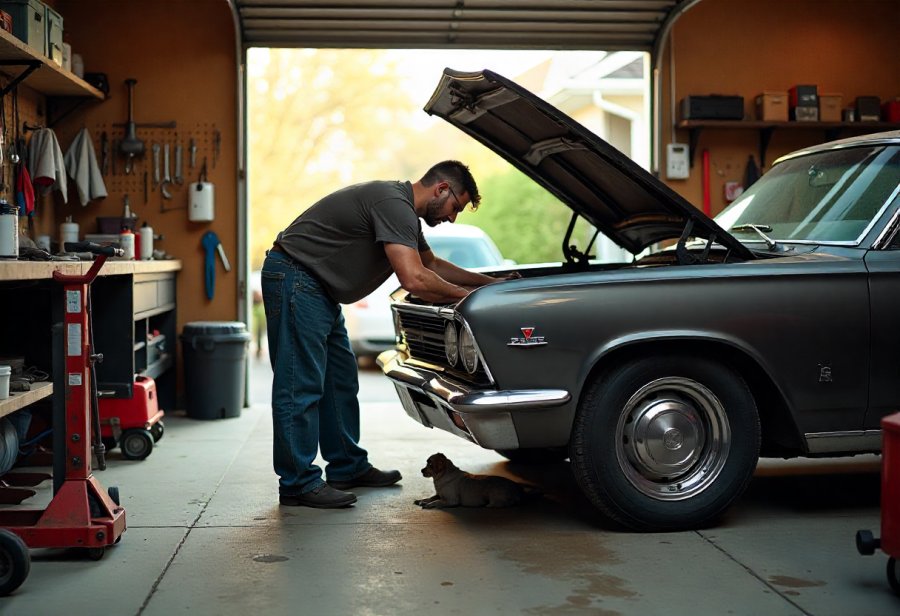
Small garages often have deep roots in their communities. Many have been around for decades, built on reputation and personal relationships rather than advertising campaigns. This history creates a sense of trust and familiarity that’s hard to find elsewhere. When you walk into a small shop, you’re more likely to speak directly with the mechanic who will work on your car, not just a service advisor. That direct communication can make a big difference in how well your vehicle is cared for.
Because their overhead costs tend to be lower, small garages often offer more competitive prices and greater flexibility. They’re less bound by corporate rules, which means they can adapt to your needs, whether that’s a quick oil change or a complex repair. For owners of older cars or classic models, having someone who knows your vehicle’s history and takes a personalized approach can be a real advantage.
On the flip side, large chains prioritize consistency and convenience. Their standardized procedures and nationwide warranties aim to deliver the same level of service no matter which location you visit. They invest heavily in advanced diagnostic tools and continuous staff training, helping them identify and fix issues more accurately in newer vehicles with complex electronic systems.
While large chains offer reliability and peace of mind, their service can sometimes feel less personal. Staff rotation and corporate policies may limit the continuity that develops when you build a relationship with a trusted mechanic. Pricing at these shops is often higher, reflecting their branding and overhead costs, but many drivers value the predictability and security they provide.
In the end, the right choice depends on your priorities. If building a relationship with a mechanic who understands your car’s history appeals to you, a small garage might be the best fit. If you prefer standardized service and nationwide warranties, a large chain can offer reassurance. Whichever you choose, look for honesty, skill, and a reputation for quality—those are the real keys to supporting your vehicle’s long-term health.
The Trust and Personal Touch of Small Family-Run Garages
Small family-run garages often have deep roots in their communities, many dating back decades. They typically started as humble roadside repair spots or small family businesses that relied on word-of-mouth to grow. Over time, they built reputations based on trust, honesty, and personal relationships with their customers. This history creates a sense of familiarity and loyalty that’s hard to find at larger, more impersonal chains.
These garages usually operate in a straightforward, personal manner. Unlike big chains with rigid procedures, small garages often have more flexibility. The owner or lead mechanic typically handles most repairs, allowing for direct communication with someone who truly understands your vehicle inside and out. This close connection enables them to tailor services specifically to your car’s needs, rather than following a generic approach.
Lower overhead costs are common among small garages. They don’t need to spend heavily on branding, advertising, or large administrative teams, which often results in more competitive prices. This flexibility can make routine maintenance and minor repairs more affordable, especially for long-term vehicle owners who value personalized care. Many of these shops pride themselves on offering honest, transparent service without unnecessary upselling.
Personal relationships are central to their approach. Mechanics often take the time to understand your driving habits, remember your vehicle’s history, and notice subtle signs of wear that might be missed elsewhere. This detailed attention can lead to better diagnostics and early detection of issues, helping extend your car’s lifespan and avoid costly repairs down the line.
Access to modern diagnostic tools varies among small garages. Some invest heavily in the latest equipment, enabling them to handle complex electronic issues efficiently. Others, especially older or family-run shops, rely more on traditional mechanical skills. While the latter can excel with older models, a lack of advanced diagnostics may limit their ability to quickly identify problems in newer, electronic-heavy vehicles.
Community is a defining feature. Because they depend on local reputation, small garages prioritize quality and honest communication. Many have served their neighborhoods for generations, and their ongoing relationships with customers foster trust and transparency. This personal touch often results in a level of care and attention that feels genuine, making them a trusted partner in maintaining your vehicle’s health over time.
Experience Trusted Auto Repair at Beck Automotive Services in Thornhill
For reliable auto repair services in Thornhill, Ontario, trust Beck Automotive Services—commonly known as Beck Auto. We specialize in comprehensive vehicle maintenance, including oil changes, brake repairs, engine and transmission services, tire replacements, and precise car diagnostics. Our team is dedicated to keeping your vehicle running smoothly and safely. Additionally, Beck Auto offers a wide selection of used cars for sale, making us your one-stop shop for auto care and vehicle purchasing. Contact us today at [email protected] or call (416) 222-6583 to schedule your service or inquire about our used car inventory. Experience quality, affordability, and expert care with Beck Auto—your local auto repair experts in Thornhill.
The Reliability and Technology of Large Cross-Country Chains
Large cross-country chains operate on a centralized management system that emphasizes consistency across all their locations. This means that no matter which branch you visit, you can expect uniform procedures, repair standards, and technician training. Such standardization helps reduce errors and ensures repairs are done according to manufacturer guidelines, which is crucial for maintaining your vehicle’s long-term health.
These chains invest heavily in the latest diagnostic equipment and ongoing staff training. Their advanced tools and software allow mechanics to quickly and accurately identify complex issues, especially in newer vehicles loaded with electronic systems. This technological focus minimizes guesswork, leading to more precise repairs that support your car’s reliability over time.
Warranties and guarantees are a cornerstone of their service model. Many large chains offer nationwide warranties on parts and labor, so if a problem recurs or a repair doesn’t hold, you can have it addressed at any location. This consistency and coverage provide peace of mind, particularly for drivers who travel frequently or own multiple vehicles.
However, the size and efficiency-driven approach can make the service experience feel more impersonal. Staff often rotate between locations, which can hinder the development of trusting relationships. Customers may not see the same mechanic each visit, and that familiarity often helps mechanics notice subtle issues early. This turnover can result in less personalized service, even if the repair quality remains consistently high.
Despite these drawbacks, big chains remain popular for their reliability and technological expertise. They deliver predictable, quality care across locations, making them a dependable choice for many. Their focus on operational efficiency and standardized procedures ensures your vehicle receives professional, consistent treatment, supporting its long-term health with every visit.
Head-to-Head: Comparing Small Shops and Big Chains for Vehicle Longevity
When weighing small garages against large chains for your vehicle’s long-term health, the differences often come down to relationships and access to technology. Small garages tend to develop close, trust-based bonds with their customers. Mechanics who’ve known your car over the years are more likely to notice subtle signs of wear or early issues, simply because they’re familiar with your vehicle’s history and driving habits. This personalized approach can lead to more accurate diagnostics and targeted repairs, helping to prevent problems from escalating and extending your car’s lifespan.
Large chains rely heavily on cutting-edge diagnostic tools and standardized procedures. Their investments in advanced scanners and software enable quick, precise identification of complex electronic issues common in newer vehicles. This technological edge minimizes guesswork and ensures repairs are done correctly the first time, supporting your vehicle’s reliability over time. The consistency across locations means your car gets a similar level of care no matter where you go, which is especially valuable if you travel frequently or own multiple cars.
Pricing and flexibility also differ significantly. Small garages, with lower overhead costs, often offer more competitive prices and are more willing to customize services based on your budget. They’re typically more adaptable, making routine maintenance less stressful and more affordable. In contrast, large chains tend to charge higher rates due to branding, extensive marketing, and administrative expenses. While these costs can seem steep, many drivers appreciate the predictability and nationwide warranties they provide.
Service continuity is another key factor. At a small garage, you’re more likely to see the same mechanic each visit, strengthening trust and enabling better diagnostics. This familiarity often results in early detection of issues before they become costly repairs. Conversely, staff rotation at big chains can limit this ongoing relationship, though their standardized approach maintains a high level of repair quality.
Both types of garages support vehicle longevity in their own way. Small shops excel through personalized service, deep knowledge of your car, and a community-focused ethic. Large chains, meanwhile, excel with high-tech diagnostics, consistent standards, and warranties that span across locations. Your choice hinges on whether you prioritize a trusted relationship or the reassurance of technological precision and nationwide coverage.
In the end, selecting the right garage depends on your specific needs and preferences. If building a relationship with a mechanic who truly understands your vehicle matters most, a small, local garage could be ideal. If you value technological sophistication and consistent standards—especially for newer, electronic-heavy cars—a large chain might better serve your long-term interests. Whichever you choose, ensuring honesty, skill, and reliability in your mechanic is the best way to support your car’s health for years to come.
Smart Tips for Choosing Your Ideal Garage for Long-Term Vehicle Health
Choosing the right garage to support your vehicle’s long-term health starts with assessing what truly matters to you. Look for technicians who are certified, experienced, and committed to quality. Don’t rely solely on word-of-mouth; check online reviews and ask trusted friends for recommendations. A reputable garage with a solid reputation for honesty and skill is more likely to deliver reliable service that keeps your car on the road longer.
Next, consider whether the garage uses up-to-date diagnostic tools. Modern vehicles depend heavily on electronic systems, so accurate diagnostics are essential for early problem detection. Inquire if they have the latest scanners and software, and whether their staff stay current through ongoing training. The investment in technology can make a significant difference in maintaining your car’s health over time, preventing small issues from becoming costly repairs.
Warranties and guarantees are another key factor. Find out if they offer warranties on parts and labor and understand what’s covered. A shop that confidently stands behind their work provides peace of mind and can save you money if problems recur. This added security ensures your investment in regular maintenance pays off in the long run.
Good communication is vital. Work with a garage that explains necessary repairs clearly and provides written estimates upfront. They should be willing to answer your questions without pressure and keep you informed about your vehicle’s condition. Transparent dialogue builds trust, helping you make informed decisions about your car’s future and avoiding surprises.
Trust your instincts during a visit. Observe how staff handle questions and whether they maintain a clean, organized environment. Friendly, professional service and a welcoming atmosphere often reflect the quality of their work. Feeling confident in their expertise and honesty will give you peace of mind every time you leave your vehicle in their care.
Additionally, ask about technician certifications. Certified mechanics have undergone industry-recognized training, which ensures repairs meet high standards and manufacturer guidelines. Knowing your mechanic is qualified boosts confidence that your vehicle receives proper, long-lasting care.
Finally, prioritize ongoing relationships. A garage that remembers your vehicle’s history and understands your driving habits can better identify early signs of wear. This familiarity often results in more personalized, preventive care that extends your car’s lifespan and reduces the chance of unexpected breakdowns.
By focusing on these key considerations—technician expertise, diagnostic technology, warranties, communication, environment, certification, and relationship—you’re better equipped to choose a garage that will support your vehicle’s health for years to come. A trusted mechanic is an investment in your car’s reliability and your peace of mind.
Key Insights and Expert Tips for Selecting the Perfect Vehicle Maintenance Partner
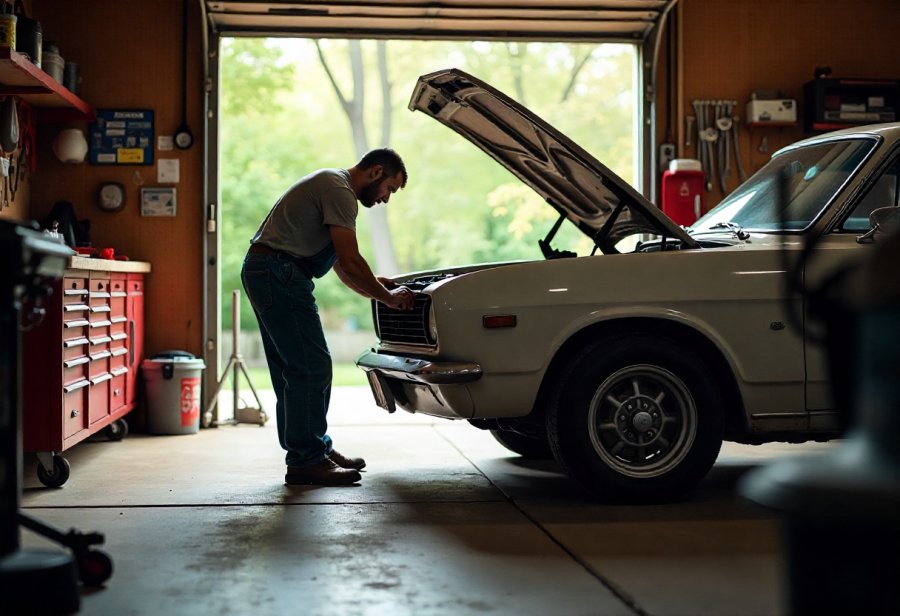
Choosing the right garage for your vehicle’s long-term health requires careful thought and attention to detail. The best mechanic is one who combines skill, honesty, and a genuine commitment to your car’s well-being. Small, family-run garages often stand out here because they focus on building trust through personalized service. Their familiarity with your vehicle’s history, driving habits, and specific needs allows them to deliver more accurate diagnostics and preventive care—key factors in extending your car’s lifespan. Because they typically operate with lower overhead costs, they can also offer competitive prices and flexible service options that make routine maintenance more accessible and less stressful.
On the other hand, large chains excel through technological investment and consistent procedures. Their advanced diagnostic tools and ongoing staff training help identify complex electronic issues quickly and accurately. With nationwide warranties and standardized processes, they provide a reassuring level of predictability, especially if you travel often or own multiple vehicles. However, the impersonal nature of larger operations can sometimes limit the continuity of care, as staff rotation may prevent you from developing a trusting relationship with your mechanic. Their higher prices often reflect branding and administrative costs, but many drivers appreciate the security of uniform standards and comprehensive coverage.
Both options support long-term vehicle health, but in different ways. Small garages thrive on personalized attention and deep knowledge of your car’s history, which often leads to early detection of subtle issues. Large chains rely on cutting-edge technology and standardized repairs that minimize guesswork. Your choice depends on what matters most—whether it’s the familiarity and trust built over time or the peace of mind that comes with technological precision and nationwide warranties.
No matter which route you take, focus on working with certified technicians who are committed to quality. Check reviews and ask about their diagnostic tools, warranties, and communication style. A clean, organized environment and staff who explain repairs clearly are strong indicators of professionalism. Building a relationship with a trustworthy mechanic isn’t just about fixing your car; it’s about ensuring its longevity and your peace of mind.
Remember, a good mechanic will see beyond the immediate repair and consider your vehicle’s long-term health. They will listen to your concerns, offer honest advice, and help you make informed decisions. Investing the time to find such a professional pays off over years of reliable, trouble-free driving. When you choose a garage based on competence, transparency, and trust, you’re setting your car up for years of dependable performance.
In the end, selecting the right garage is about forming a partnership rooted in honesty and expertise. Whether it’s a cozy neighborhood shop or a nationwide chain, the goal remains the same: to keep your vehicle healthy, safe, and reliable for many miles to come. Making an informed choice now ensures fewer surprises later and a smoother, more satisfying ownership experience.